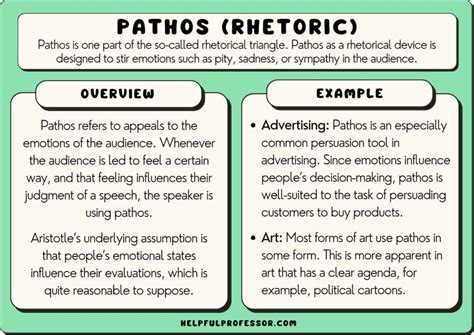
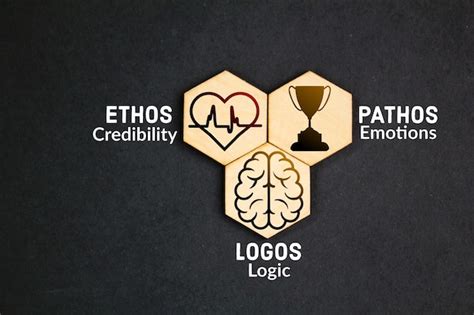
Pathos, in the context of rhetoric and persuasive communication, indeed revolves around emotion. It is one of the three modes of persuasion identified by Aristotle, alongside ethos (credibility) and logos (logic). Pathos appeals to the emotions of the audience, aiming to evoke feelings such as sympathy, anger, fear, or joy to persuade them. Effective use of pathos can make a message more relatable, engaging, and memorable, thereby influencing the audience's attitudes, beliefs, or actions.
Understanding Pathos
At its core, pathos is about understanding the emotional underpinnings of human decision-making. It recognizes that people are not solely rational beings but are also driven by emotions, values, and personal experiences. By tapping into these emotional aspects, a communicator can create a deeper connection with their audience, making their message more impactful and persuasive.
Elements of Pathos
Several elements contribute to the effectiveness of pathos in communication. These include:
- Emotional Appeals: Using stories, vivid imagery, or metaphors to evoke emotions.
- Empathy: Showing understanding and sharing the feelings of the audience.
- Imagery and Description: Painting a picture with words to engage the audience’s imagination and emotions.
- Testimonials: Using personal stories or endorsements to create an emotional connection.
| Emotional Appeal | Example |
|---|---|
| Sympathy | A fundraising campaign for a natural disaster, highlighting the plight of victims. |
| Fear | A public health announcement warning about the dangers of a disease. |
| Joy | An advertisement for a vacation package, emphasizing relaxation and fun. |
Pathos in Practice
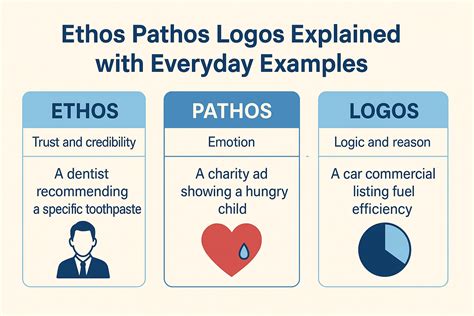
In real-world scenarios, pathos is used across various domains, from marketing and politics to education and social movements. The key to its successful application lies in genuinely understanding the audience and crafting a message that resonates with their emotional core. This involves not just manipulating emotions but also ensuring that the appeal is authentic and aligns with the communicator’s ethos and the logical reasoning of logos.
Balancing Pathos with Ethos and Logos
A well-crafted message often combines pathos with ethos and logos. While pathos appeals to emotions, ethos establishes credibility, and logos provides logical reasoning. This balance is essential for a persuasive argument, as it addresses different aspects of human decision-making: the emotional, the ethical, and the rational.
Key Points
- Pathos is a fundamental element of persuasive communication, focusing on emotional appeals.
- Effective use of pathos requires a deep understanding of the audience's emotional landscape.
- Pathos must be balanced with ethos and logos for a persuasive and credible message.
- Emotional appeals can include sympathy, fear, joy, and other emotions relevant to the context.
- Authenticity and empathy are crucial for the successful application of pathos.
As we navigate the complexities of communication, recognizing the role of pathos and how it interacts with other persuasive elements can significantly enhance our ability to connect with others and convey our messages effectively. Whether in personal interactions, public speaking, or media, understanding and skillfully using pathos can make a profound difference in how our words are received and remembered.
How can pathos be used in a persuasive speech?
+Pathos can be used in a persuasive speech by incorporating stories, personal experiences, or vivid imagery that evoke emotions relevant to the message. This helps in creating a deeper connection with the audience and makes the message more memorable and impactful.
What are the risks of relying too heavily on pathos?
+Relying too heavily on pathos can lead to an emotional appeal that lacks substance or credibility. Without a balance of ethos and logos, the message may come across as manipulative or insincere, potentially undermining the communicator’s credibility and the message’s effectiveness.
How can one ensure authenticity in using pathos?
+Authenticity in using pathos can be ensured by genuinely understanding and empathizing with the audience’s emotional landscape. This involves being truthful, transparent, and consistent in the message, and avoiding manipulative tactics that might exploit emotions rather than genuinely appealing to them.