Macrobid, also known by its generic name nitrofurantoin, is an antibiotic commonly prescribed to treat urinary tract infections (UTIs). The question of whether Macrobid is a penicillin often arises due to the classification and use of antibiotics in treating bacterial infections. To address this, it's essential to understand the different classes of antibiotics and how Macrobid fits into these categories.
Understanding Antibiotic Classes

Antibiotics are grouped into classes based on their mechanism of action, chemical structure, and the type of bacteria they are effective against. The main classes include beta-lactams (which include penicillins and cephalosporins), macrolides, fluoroquinolones, tetracyclines, and others. Each class has its specific spectrum of activity and is used to treat different types of infections.
Penicillins and Their Classification
Penicillins are a group of beta-lactam antibiotics that are derived from Penicillium species. They work by inhibiting cell wall synthesis in bacteria, leading to the death of the bacterial cells. Examples of penicillins include amoxicillin, ampicillin, and penicillin G. These antibiotics are effective against a wide range of bacterial infections but are not effective against all types of bacteria, particularly those that produce beta-lactamase enzymes, which can break down penicillins.
Macrobid (Nitrofurantoin) Mechanism and Classification
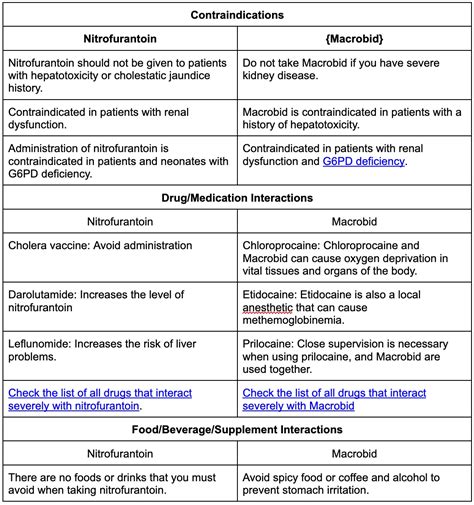
Macrobid, or nitrofurantoin, belongs to the class of antibiotics known as nitrofuran derivatives. It works by damaging bacterial DNA, which prevents the bacteria from multiplying and eventually leads to their death. Unlike penicillins, nitrofurantoin does not interfere with the synthesis of the bacterial cell wall but instead acts on the bacterial DNA and proteins, disrupting their function.
Key Differences Between Macrobid and Penicillins
Several key differences exist between Macrobid (nitrofurantoin) and penicillins:
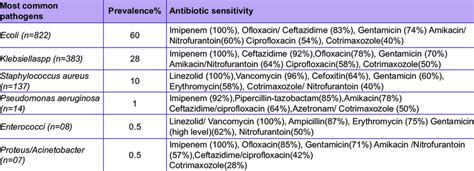
- Spectrum of Activity: While penicillins have a broad spectrum of activity against many types of bacteria, Macrobid is specifically effective against bacteria that cause urinary tract infections, such as E. coli, and has a more limited spectrum compared to broad-spectrum penicillins.
- Mechanism of Action: As mentioned, Macrobid acts on bacterial DNA, whereas penicillins inhibit cell wall synthesis.
- Resistance Patterns: Bacteria can develop resistance to both Macrobid and penicillins, but the mechanisms and prevalence of resistance differ between the two classes.
| Antibiotic Class | Example | Mechanism of Action |
|---|---|---|
| Penicillins | Amoxicillin | Inhibit cell wall synthesis |
| Nitrofurans | Nitrofurantoin (Macrobid) | Damage bacterial DNA |
Key Points
- Macrobid (nitrofurantoin) is not a penicillin but belongs to the nitrofuran class of antibiotics.
- It has a specific mechanism of action, targeting bacterial DNA, which is different from penicillins that inhibit cell wall synthesis.
- The spectrum of activity and resistance patterns also differ between Macrobid and penicillins.
- Understanding these differences is crucial for selecting the appropriate antibiotic treatment for bacterial infections.
- Macrobid is specifically effective against bacteria causing urinary tract infections and has a more limited spectrum compared to broad-spectrum penicillins.
Conclusion and Implications
In conclusion, while Macrobid and penicillins are both antibiotics used to treat bacterial infections, they belong to different classes with distinct properties and uses. Macrobid, with its unique mechanism of action and spectrum of activity, is particularly suited for treating urinary tract infections and should be chosen based on its specific advantages and the characteristics of the infection being treated. The distinction between Macrobid and penicillins highlights the importance of understanding antibiotic classifications and their implications for treatment decisions in clinical practice.
Is Macrobid effective against all types of bacterial infections?
+No, Macrobid is specifically effective against bacteria that cause urinary tract infections and has a more limited spectrum of activity compared to broad-spectrum antibiotics like some penicillins.
Can Macrobid be used as a substitute for penicillins in all cases?
+No, due to differences in their mechanisms of action and spectra of activity, Macrobid cannot be used as a direct substitute for penicillins in all cases. The choice of antibiotic should be based on the specific type of infection, the causative bacteria, and other clinical considerations.
How does resistance to Macrobid differ from resistance to penicillins?
+Resistance to Macrobid and penicillins can occur through different mechanisms. For Macrobid, resistance is less common but can involve alterations in the bacterial DNA repair mechanisms or changes in the bacterial cell membrane. For penicillins, resistance often involves the production of beta-lactamase enzymes that break down the antibiotic.