Doxxing, a term derived from the word "dox," short for "documents," refers to the act of publicly revealing previously private personal information about an individual or organization, usually with the intent to harass, intimidate, or exact revenge. This can include a wide range of information, such as home addresses, phone numbers, email addresses, employment details, and financial information. The legality of doxxing varies significantly depending on the jurisdiction, the nature of the information disclosed, and the context in which it is shared.
Key Points
- Doxxing involves the public release of private personal information without consent.
- The legality of doxxing varies by jurisdiction and context.
- Doxxing can be considered a form of harassment or invasion of privacy.
- Legal consequences for doxxing can include civil lawsuits and criminal charges.
- Legislative efforts are ongoing to specifically address and regulate doxxing.
Legal Perspective on Doxxing
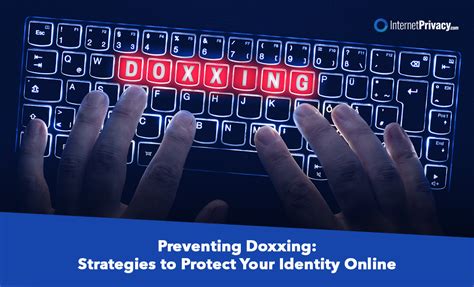
From a legal standpoint, doxxing can be considered under various legal frameworks, including invasion of privacy, harassment, and in some cases, stalking. The legal implications depend heavily on the specific circumstances of the case, such as the type of information released, the method of release, and the intentions behind the act. In many jurisdictions, there are laws that protect individuals’ privacy and personal information, and doxxing can be seen as a violation of these laws.
Examples of Doxxing Laws
For instance, in the United States, doxxing can fall under various state and federal laws. The Computer Fraud and Abuse Act (CFAA) and state-specific laws against harassment and stalking can be applied in cases of doxxing, especially when it involves hacking or unauthorized access to information. Similarly, in the European Union, the General Data Protection Regulation (GDPR) provides a legal framework for protecting personal data, and doxxing could potentially be addressed under its provisions.
| Jurisdiction | Relevant Laws |
|---|---|
| United States | Computer Fraud and Abuse Act (CFAA), State-specific harassment and stalking laws |
| European Union | General Data Protection Regulation (GDPR) |

Consequences of Doxxing
The consequences for doxxing can be severe and varied. Individuals who engage in doxxing may face civil lawsuits from those whose information they have shared, potentially leading to significant financial damages. In cases where doxxing is considered a form of harassment or stalking, criminal charges can also be filed, resulting in fines or even imprisonment. Furthermore, doxxing can lead to reputational damage for both the individuals involved and any associated organizations or communities.
Social and Psychological Impact
Beyond the legal implications, doxxing can have profound social and psychological effects on the victims. The release of personal information can lead to feelings of vulnerability and fear, as well as anxiety and depression. The impact can be so severe that some victims may need to change their identities, relocate, or take other drastic measures to protect themselves.
Given the complexity and severity of doxxing, it is essential for individuals, organizations, and governments to work together to prevent such acts and support those who have been victimized. This includes educating the public about the dangers of doxxing, advocating for stronger legal protections, and providing resources and support for victims.
What is considered doxxing?
+Doxxing refers to the act of publicly sharing previously private personal information about an individual or organization without their consent, often with the intent to harass or intimidate.
Is doxxing always illegal?
+The legality of doxxing depends on the context, the type of information shared, and the jurisdiction. It can be considered illegal under laws related to harassment, stalking, and invasion of privacy.
What are the consequences of doxxing?
+Consequences can include civil lawsuits, criminal charges, reputational damage, and significant social and psychological impacts on the victims.
In conclusion, doxxing is a serious issue that can have significant legal, social, and psychological consequences. Understanding the complexities of doxxing and the need for comprehensive legal frameworks to address it is crucial in the digital age. By fostering a culture of respect for privacy and taking proactive measures to prevent and address doxxing, we can work towards creating a safer and more respectful online environment.