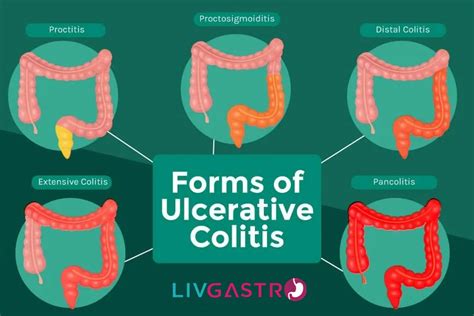
Colitis, a type of inflammatory bowel disease (IBD), has been a subject of interest for many individuals seeking to understand its causes, symptoms, and transmission. One of the most pressing questions is whether colitis is contagious. To address this concern, it's essential to delve into the world of IBD, exploring the different types of colitis, their underlying mechanisms, and the available evidence on their contagiousness.
Understanding Colitis and Its Types
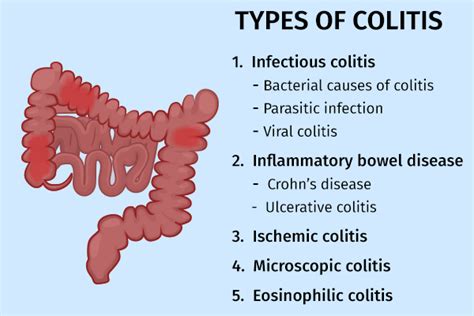
Colitis refers to inflammation of the colon, which can be caused by various factors, including infections, allergic reactions, and unknown immune system responses. The two primary types of colitis are ulcerative colitis (UC) and Crohn’s disease, both of which are characterized by chronic inflammation of the gastrointestinal tract. UC primarily affects the colon, while Crohn’s disease can affect any part of the digestive tract. Other forms of colitis include infectious colitis, caused by bacterial, viral, or parasitic infections, and microscopic colitis, which is characterized by inflammation of the colon lining.
Ulcerative Colitis and Contagiousness
Ulcerative colitis is not considered contagious. The exact cause of UC is unknown, but it is believed to result from a combination of genetic predisposition, immune system dysfunction, and environmental factors. While UC is not contagious, individuals with a family history of the disease are at a higher risk of developing it. Research suggests that certain genetic mutations can increase the likelihood of developing UC, but this does not imply that the disease can be transmitted from person to person.
| Colitis Type | Contagiousness | Cause |
|---|---|---|
| Ulcerative Colitis (UC) | No | Genetic predisposition, immune system dysfunction, environmental factors |
| Crohn's Disease | No | Genetic predisposition, immune system dysfunction, environmental factors |
| Infectious Colitis | Yes | Bacterial, viral, or parasitic infections |
| Microscopic Colitis | No | Unknown, possible immune system response |
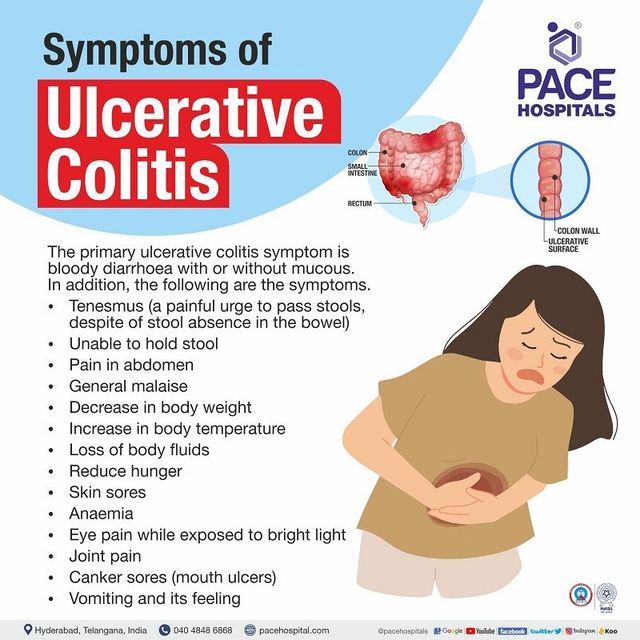
Infectious Colitis and Contagiousness
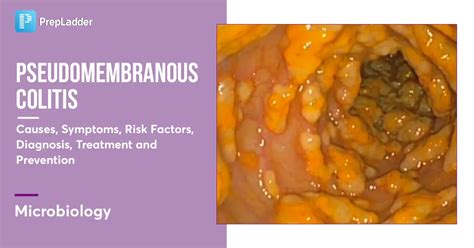
In contrast to UC and Crohn’s disease, infectious colitis is indeed contagious. This type of colitis is caused by infectious agents, such as bacteria, viruses, or parasites, which can be transmitted through contaminated food, water, or person-to-person contact. Examples of infectious colitis include Clostridioides difficile (C. diff) infection, which can spread through fecal-oral contact, and norovirus infection, which can be transmitted through contaminated food or water.
Microscopic Colitis and Contagiousness
Microscopic colitis, a type of colitis characterized by inflammation of the colon lining, is not considered contagious. The exact cause of microscopic colitis is unknown, but it is believed to result from a combination of immune system dysfunction and environmental factors. While the disease is not contagious, individuals with a family history of microscopic colitis may be at a higher risk of developing it.
Key Points
- Ulcerative colitis and Crohn's disease are not contagious, but have a genetic component and can be influenced by environmental factors.
- Infectious colitis is contagious and can be caused by bacterial, viral, or parasitic infections.
- Microscopic colitis is not contagious, but its exact cause is unknown.
- Understanding the underlying causes and risk factors of colitis is essential for developing effective treatment strategies and improving patient outcomes.
- Individuals with a family history of colitis may be at a higher risk of developing the disease.
Transmission and Prevention
While UC and Crohn’s disease are not contagious, it’s essential to practice good hygiene and take preventive measures to reduce the risk of transmission of infectious colitis. This includes washing hands frequently, avoiding close contact with individuals who have infectious colitis, and avoiding contaminated food and water.
In conclusion, colitis is a complex and multifaceted disease, and its contagiousness depends on the specific type. By understanding the underlying causes and risk factors of each type of colitis, individuals can take steps to reduce their risk of developing the disease and improve their overall health and well-being.
Is ulcerative colitis contagious?
+No, ulcerative colitis is not contagious. It is a chronic inflammatory bowel disease caused by a combination of genetic predisposition, immune system dysfunction, and environmental factors.
Can I get colitis from someone who has it?
+It depends on the type of colitis. Ulcerative colitis and Crohn's disease are not contagious, but infectious colitis can be transmitted through contaminated food, water, or person-to-person contact.
How can I reduce my risk of getting colitis?
+While the exact cause of colitis is unknown, you can reduce your risk by practicing good hygiene, avoiding close contact with individuals who have infectious colitis, and avoiding contaminated food and water.
Meta Description: Learn about the different types of colitis, their causes, and contagiousness. Understand the risks and take steps to reduce your chance of developing this complex disease. (149 characters)