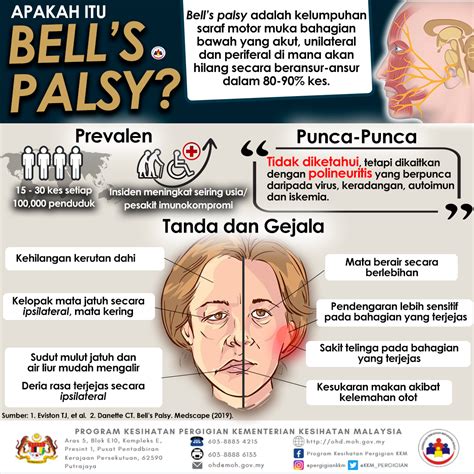
Bell's Palsy, a condition that causes temporary weakness or paralysis of the muscles in one side of the face, has been a subject of interest and concern for many individuals. One of the primary questions that people often ask is whether Bell's Palsy is contagious. In this article, we will delve into the details of Bell's Palsy, its causes, symptoms, and treatment options, and most importantly, address the question of whether it is contagious.
Understanding Bell’s Palsy
Bell’s Palsy is a neurological disorder that affects the seventh cranial nerve, also known as the facial nerve. This nerve is responsible for controlling the muscles of the face, including those that enable us to smile, frown, and blink. When the facial nerve is inflamed or damaged, it can lead to weakness or paralysis of the facial muscles, resulting in Bell’s Palsy. The condition can occur at any age, but it is most common in people between the ages of 15 and 60.
Causes of Bell’s Palsy
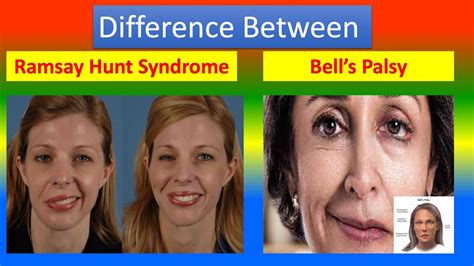
While the exact cause of Bell’s Palsy is still unknown, research suggests that it may be related to a viral infection, such as the herpes simplex virus or the varicella-zoster virus. Other potential causes include autoimmune disorders, genetics, and environmental factors. In some cases, Bell’s Palsy may be a symptom of an underlying condition, such as Lyme disease or a tumor.
It is essential to note that Bell's Palsy is not caused by a bacterial infection, and it is not a result of a stroke or a traumatic injury. The condition is often diagnosed based on a physical examination and a review of the patient's medical history.
Is Bell’s Palsy Contagious?

Now, let’s address the question of whether Bell’s Palsy is contagious. The short answer is no, Bell’s Palsy is not contagious. You cannot catch Bell’s Palsy from someone who has the condition, and you cannot transmit it to someone else. The condition is not infectious, and it is not spread through contact with an infected person’s saliva, mucus, or other bodily fluids.
However, it is possible that the underlying viral infection that may have triggered Bell's Palsy, such as the herpes simplex virus, can be contagious. For example, if someone has a cold sore, which is caused by the herpes simplex virus, they can transmit the virus to someone else through skin-to-skin contact or by sharing utensils or personal items.
Prevention and Treatment
While Bell’s Palsy is not contagious, there are steps you can take to reduce your risk of developing the condition. These include practicing good hygiene, such as washing your hands frequently, avoiding close contact with people who have viral infections, and managing stress.
Treatment for Bell's Palsy typically involves a combination of medications, such as corticosteroids and antiviral medications, and physical therapy to help manage symptoms and promote recovery. In some cases, surgery may be necessary to relieve pressure on the facial nerve.
Key Points
- Bell's Palsy is a neurological disorder that causes temporary weakness or paralysis of the muscles in one side of the face.
- The condition is not contagious, but the underlying viral infection that may have triggered it can be.
- Bell's Palsy is often diagnosed based on a physical examination and a review of the patient's medical history.
- Treatment typically involves a combination of medications and physical therapy.
- Practicing good hygiene and managing stress can help reduce the risk of developing Bell's Palsy.
In conclusion, while Bell's Palsy is not contagious, it is essential to understand the condition, its causes, symptoms, and treatment options. By practicing good hygiene and managing stress, you can reduce your risk of developing Bell's Palsy. If you or someone you know is experiencing symptoms of Bell's Palsy, it is crucial to seek medical attention promptly to ensure proper diagnosis and treatment.
What are the symptoms of Bell's Palsy?
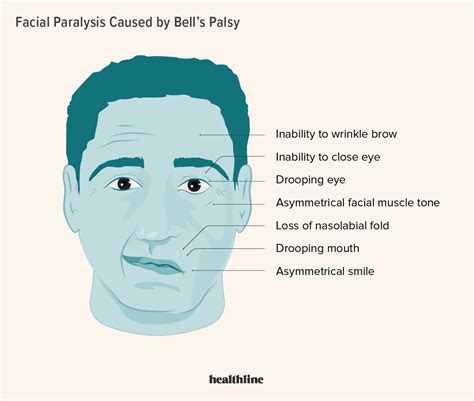
+The symptoms of Bell's Palsy include weakness or paralysis of the muscles in one side of the face, drooping eyelid, difficulty smiling or frowning, and numbness or tingling in the face.
How is Bell's Palsy diagnosed?
+Bell's Palsy is often diagnosed based on a physical examination and a review of the patient's medical history. In some cases, additional tests, such as an MRI or EMG, may be necessary to rule out other conditions.
What is the treatment for Bell's Palsy?
+Treatment for Bell's Palsy typically involves a combination of medications, such as corticosteroids and antiviral medications, and physical therapy to help manage symptoms and promote recovery.
| Condition | Symptoms | Treatment |
|---|---|---|
| Bell's Palsy | Weakness or paralysis of facial muscles, drooping eyelid, difficulty smiling or frowning | Corticosteroids, antiviral medications, physical therapy |
| Herpes Simplex Virus | Cold sores, fever blisters, genital herpes | Antiviral medications, topical creams |