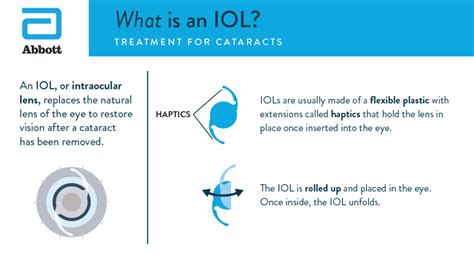
The medical abbreviation "IOL" stands for Intraocular Lens, which refers to an artificial lens implanted in the eye to replace the natural lens that has been removed or damaged, typically due to cataracts. Intraocular lenses are designed to improve vision by focusing light properly on the retina, allowing patients to see clearly without the need for thick, heavy glasses or contact lenses.
Understanding Intraocular Lenses (IOLs)
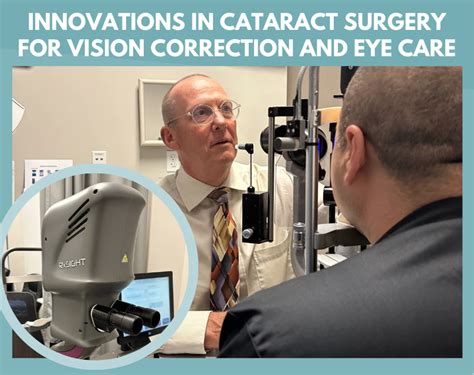
Intraocular lenses have become a crucial component of modern cataract surgery, offering a safe and effective way to restore vision. The development of IOLs has evolved significantly over the years, with various types being designed to address different patient needs. These include monofocal IOLs, which focus light at a single point and are typically used for distance vision; multifocal IOLs, which allow for both near and far vision; toric IOLs, used to correct astigmatism; and accommodating IOLs, which work with the eye’s natural muscles to provide a range of vision.
Types of Intraocular Lenses
The choice of IOL depends on several factors, including the patient’s lifestyle, the presence of other eye conditions, and personal preferences regarding post-surgical vision. For instance, a monofocal IOL might be suitable for someone who prioritizes distance vision and is comfortable using reading glasses for near tasks. On the other hand, a multifocal IOL could be more appropriate for individuals who wish to minimize their dependence on corrective eyewear for both near and far vision.
| Type of IOL | Description |
|---|---|
| Monofocal | Focuses light at a single point, typically for distance vision |
| Multifocal | Allows for both near and far vision, reducing dependence on glasses |
| Toric | Corrects astigmatism, providing clear vision at all distances |
| Accommodating | Works with the eye's muscles to provide a range of vision |
Key Points
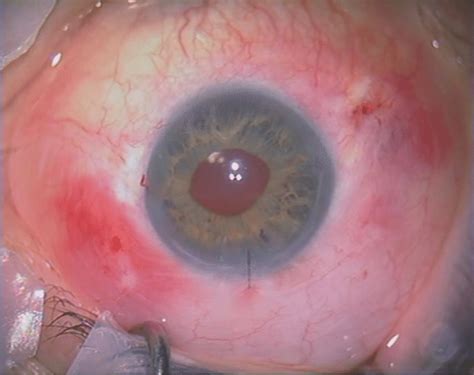
- Intraocular lenses (IOLs) are artificial lenses implanted in the eye to replace the natural lens.
- IOLs are used primarily in cataract surgery to improve vision.
- There are several types of IOLs, including monofocal, multifocal, toric, and accommodating lenses.
- The choice of IOL depends on factors such as lifestyle, other eye conditions, and personal preferences regarding vision post-surgery.
- Consultation with an eye care professional is crucial to determine the most appropriate IOL type for individual needs.
As medical technology continues to evolve, intraocular lenses are becoming increasingly sophisticated, offering patients a wider range of options for restoring their vision. With the help of advanced diagnostic tools and personalized consultation, individuals can make informed decisions about their eye care, ensuring the best possible outcomes from their IOL implantation procedure.
What is the primary purpose of an intraocular lens?
+The primary purpose of an intraocular lens (IOL) is to replace the natural lens in the eye, which has been removed due to cataracts or other conditions, to restore clear vision.
How do multifocal IOLs work?
+Multifocal IOLs are designed with different zones that focus light for near, intermediate, and far vision, allowing patients to see clearly at various distances without corrective eyewear.
Can IOLs correct astigmatism?
+Yes, toric IOLs are specifically designed to correct astigmatism, providing clear vision at all distances for individuals with this condition.