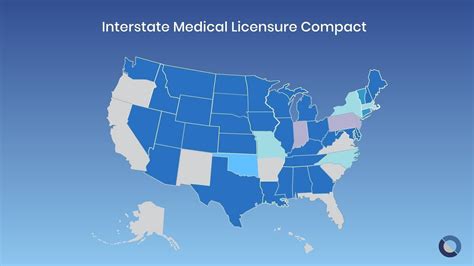
The Interstate Medical Licensure Compact (IMLC) is a significant development in the medical licensing landscape, aiming to simplify the process for physicians to obtain licenses in multiple states. As of 2022, the IMLC has 34 member states, with several others considering joining. This initiative has far-reaching implications for the medical profession, state medical boards, and patients seeking care across state lines. The IMLC's primary goal is to increase access to healthcare, particularly in rural and underserved areas, by facilitating the licensure process for qualified physicians.
Background and History of the Interstate Medical Licensure Compact
The concept of the IMLC was first introduced in 2013, with the aim of streamlining the medical licensure process across state lines. The Federation of State Medical Boards (FSMB) played a crucial role in developing the compact, which was officially launched in 2015. The IMLC is designed to provide a more efficient and less costly pathway for physicians to obtain licenses in multiple states, while maintaining the high standards of medical licensure. By doing so, the compact aims to address the growing need for healthcare services, particularly in areas with limited access to medical care.
Eligibility Requirements for the Interstate Medical Licensure Compact
To be eligible for the IMLC, physicians must meet specific requirements, including being a graduate of a medical school accredited by the Liaison Committee on Medical Education (LCME) or the American Osteopathic Association (AOA). Additionally, applicants must have completed a graduate medical education program accredited by the Accreditation Council for Graduate Medical Education (ACGME) or the AOA. They must also hold a valid, unrestricted medical license in a member state, have no history of disciplinary actions, and pass a background check. These requirements ensure that only qualified physicians are eligible to participate in the compact.
| Eligibility Requirement | Description |
|---|---|
| Medical School Accreditation | LCME or AOA accredited |
| Graduate Medical Education | ACGME or AOA accredited program |
| Valid Medical License | Unrestricted license in a member state |
| Disciplinary History | No history of disciplinary actions |
| Background Check | Passing a federal and state background check |
Benefits of the Interstate Medical Licensure Compact
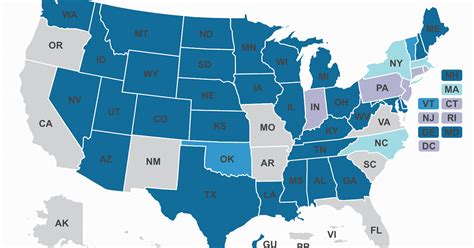
The IMLC offers several benefits to physicians, patients, and state medical boards. For physicians, the compact provides a more efficient and cost-effective way to obtain licenses in multiple states, reducing the administrative burden and expenses associated with individual state licensure processes. Patients benefit from increased access to healthcare services, particularly in rural and underserved areas, as more physicians are able to practice across state lines. State medical boards also benefit from the compact, as it enables them to focus on more critical aspects of medical regulation, such as disciplinary actions and licensure enforcement.
Implementation and Participation in the Interstate Medical Licensure Compact
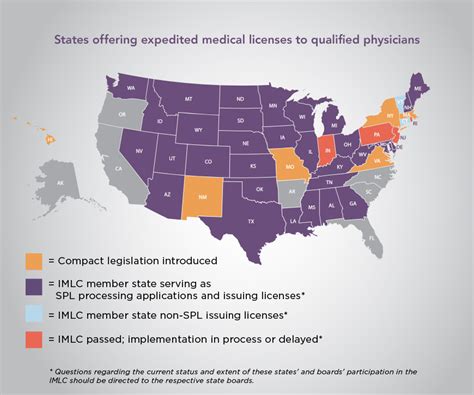
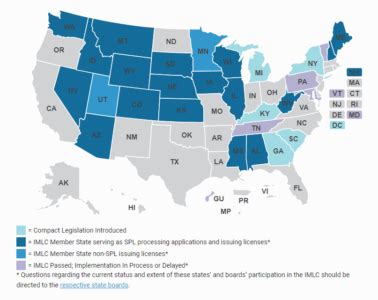
As of 2022, 34 states have joined the IMLC, with several others considering participation. To implement the compact, participating states must pass legislation adopting the IMLC model language and establish a process for physicians to apply for and obtain licenses through the compact. The FSMB provides guidance and support to states in implementing the compact, ensuring consistency and efficiency in the licensure process. Physicians interested in participating in the IMLC must meet the eligibility requirements and submit an application through the IMLC’s online platform.
Key Points
- The Interstate Medical Licensure Compact aims to simplify the medical licensure process across state lines.
- 34 states have joined the IMLC, with several others considering participation.
- Physicians must meet specific eligibility requirements, including medical school accreditation and valid, unrestricted medical licenses.
- The IMLC offers benefits to physicians, patients, and state medical boards, including increased access to healthcare services and reduced administrative burdens.
- Participating states must pass legislation adopting the IMLC model language and establish a process for physicians to apply for and obtain licenses through the compact.
Challenges and Limitations of the Interstate Medical Licensure Compact
While the IMLC has made significant progress in streamlining the medical licensure process, it also faces challenges and limitations. One of the primary concerns is ensuring that participating physicians meet the high standards of medical education and training. Additionally, the compact must balance the need for increased access to healthcare services with the need to maintain patient safety and protect the public interest. State medical boards must also navigate the complexities of implementing the compact, including establishing processes for licensure, disciplinary actions, and licensure enforcement.
Future Directions and Implications of the Interstate Medical Licensure Compact
The IMLC has the potential to revolutionize the medical licensure landscape, increasing access to healthcare services and reducing administrative burdens for physicians. As more states join the compact, it is likely that we will see increased mobility of physicians across state lines, leading to improved healthcare outcomes and more efficient use of medical resources. However, it is essential to continue monitoring the compact’s progress, addressing challenges and limitations, and ensuring that the high standards of medical licensure are maintained.
What is the purpose of the Interstate Medical Licensure Compact?
+The purpose of the IMLC is to simplify the medical licensure process across state lines, increasing access to healthcare services and reducing administrative burdens for physicians.
Which states are currently participating in the Interstate Medical Licensure Compact?
+As of 2022, 34 states have joined the IMLC, with several others considering participation. A list of participating states can be found on the IMLC website.
What are the eligibility requirements for physicians to participate in the Interstate Medical Licensure Compact?
+Physicians must meet specific eligibility requirements, including medical school accreditation, valid, unrestricted medical licenses, and no history of disciplinary actions. A full list of eligibility requirements can be found on the IMLC website.
Meta Description: The Interstate Medical Licensure Compact simplifies the medical licensure process across state lines, increasing access to healthcare services and reducing administrative burdens for physicians. Learn more about the IMLC’s benefits, eligibility requirements, and implementation. (145 characters)