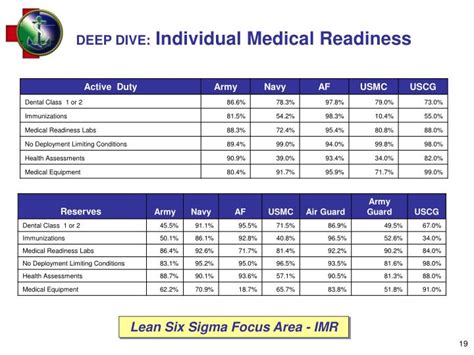
Individual medical readiness is a critical component of overall military readiness, as it ensures that service members are physically and mentally prepared to perform their duties in a variety of environments and situations. The concept of individual medical readiness encompasses a range of factors, including physical health, mental health, and medical compliance. In this article, we will explore the importance of individual medical readiness, its key components, and strategies for maintaining and improving medical readiness.
Key Points
- Individual medical readiness is essential for military personnel to perform their duties effectively
- Physical health, mental health, and medical compliance are key components of individual medical readiness
- Regular health assessments, preventive care, and timely treatment of medical conditions are critical for maintaining medical readiness
- Commanders and leaders play a crucial role in promoting a culture of medical readiness within their units
- Technological advancements and data analytics can help improve medical readiness by enhancing health monitoring and predictive analytics
Components of Individual Medical Readiness
Individual medical readiness consists of several key components, including physical health, mental health, and medical compliance. Physical health refers to the absence of physical limitations or conditions that could impair a service member’s ability to perform their duties. Mental health, on the other hand, encompasses emotional, psychological, and social well-being. Medical compliance refers to adherence to medical protocols, including vaccination schedules, medication regimens, and health screenings.
Physical Health
Physical health is a critical component of individual medical readiness. Service members must be physically fit to perform their duties, which can include tasks such as carrying heavy loads, working in extreme temperatures, and operating complex equipment. Regular exercise, balanced nutrition, and sufficient sleep are essential for maintaining physical health. Additionally, service members must be free from physical limitations or conditions that could impair their ability to perform their duties, such as musculoskeletal injuries or chronic diseases.
Mental Health
Mental health is another essential component of individual medical readiness. Service members must be emotionally, psychologically, and socially well to perform their duties effectively. Mental health conditions, such as post-traumatic stress disorder (PTSD), depression, and anxiety, can significantly impact a service member’s ability to perform their duties. Early identification and treatment of mental health conditions are critical for maintaining medical readiness.
Medical Compliance
Medical compliance is also a crucial component of individual medical readiness. Service members must adhere to medical protocols, including vaccination schedules, medication regimens, and health screenings. Failure to comply with medical protocols can result in decreased medical readiness, which can have significant consequences for the individual and the unit.
| Medical Readiness Component | Description |
|---|---|
| Physical Health | Absence of physical limitations or conditions that could impair a service member's ability to perform their duties |
| Mental Health | Emotional, psychological, and social well-being |
| Medical Compliance | Adherence to medical protocols, including vaccination schedules, medication regimens, and health screenings |

Maintaining and Improving Medical Readiness
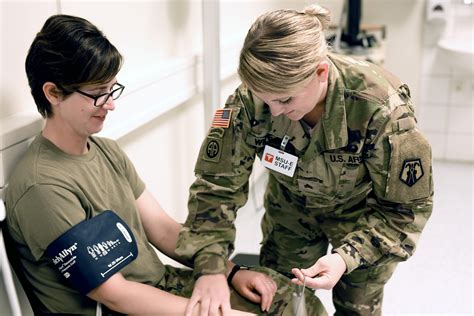
Maintaining and improving medical readiness requires a comprehensive approach that includes regular health assessments, preventive care, and timely treatment of medical conditions. Regular health assessments, such as annual health exams and deployment-related health assessments, help identify potential health issues before they become significant problems. Preventive care, including vaccinations and health screenings, can help prevent illnesses and injuries. Timely treatment of medical conditions, including early intervention and treatment of mental health conditions, is critical for maintaining medical readiness.
Technological Advancements
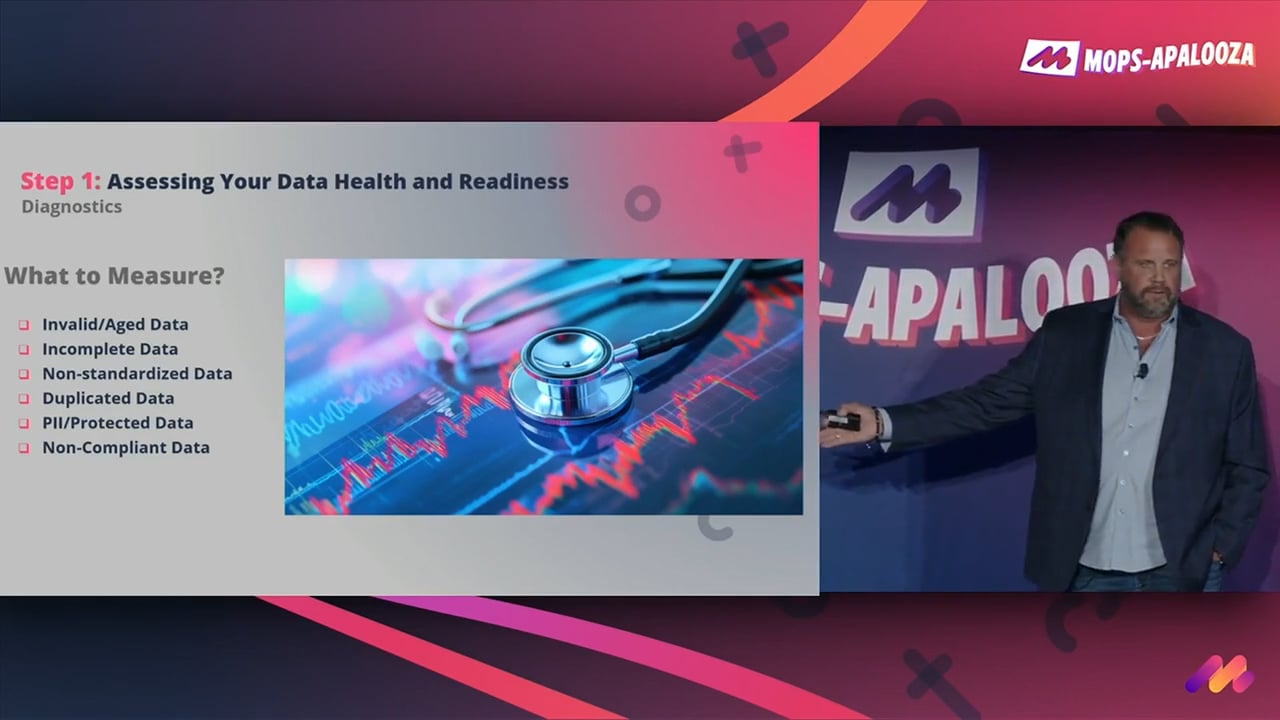
Technological advancements, such as telemedicine and data analytics, can help improve medical readiness by enhancing health monitoring and predictive analytics. Telemedicine, for example, can provide service members with access to medical care in remote or austere environments, which can help improve medical readiness. Data analytics can help identify trends and patterns in health data, which can inform preventive care and treatment strategies.
Data-Driven Insights
Data-driven insights can help improve medical readiness by providing commanders and leaders with actionable information about the health and medical readiness of their service members. By analyzing health data, commanders can identify areas for improvement and develop targeted strategies to enhance medical readiness. For example, data analytics can help identify service members who are at risk for mental health conditions, such as PTSD, and provide them with early intervention and treatment.
What is individual medical readiness, and why is it important?
+Individual medical readiness refers to the physical and mental health of a service member, as well as their adherence to medical protocols. It is essential for military personnel to perform their duties effectively and safely.
How can commanders promote a culture of medical readiness within their units?
+Commanders can promote a culture of medical readiness by prioritizing medical readiness, providing access to medical care, and encouraging service members to prioritize their health and well-being.
What role do technological advancements play in improving medical readiness?
+Technological advancements, such as telemedicine and data analytics, can help improve medical readiness by enhancing health monitoring and predictive analytics, and providing service members with access to medical care in remote or austere environments.
In conclusion, individual medical readiness is a critical component of overall military readiness. By prioritizing medical readiness, commanders can help ensure that their service members are physically and mentally prepared to perform their duties, which can have a significant impact on overall military readiness. Regular health assessments, preventive care, and timely treatment of medical conditions are critical for maintaining medical readiness. Technological advancements and data analytics can also help improve medical readiness by enhancing health monitoring and predictive analytics.