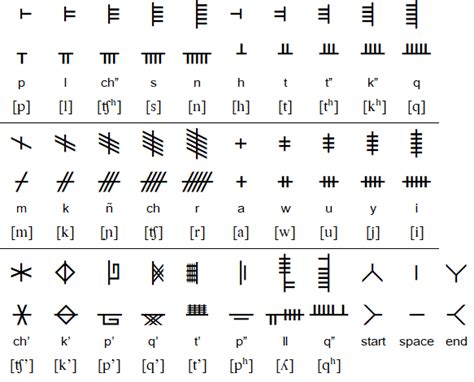
The Incan Empire, which flourished in the Andean region of South America from the 13th to the 16th century, is renowned for its sophisticated administrative and record-keeping systems. Despite the absence of a written language in the classical sense, the Incas developed a unique writing system that played a crucial role in the management of their vast empire. This system, known as the "Quipu," was a complex network of knotted strings that conveyed numerical and narrative information, allowing the Incas to record and store data with remarkable precision.
Introduction to Quipu: The Incan Writing System
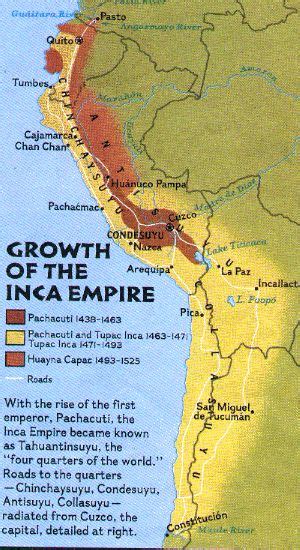
Quipu, which translates to “knot” in the Quechua language, consisted of a series of colored strings or cords, each with a specific meaning and purpose. These strings were carefully knotted to represent different types of information, such as numerical data, statistical records, and even historical events. The Quipu system was used by the Incas to record a wide range of data, including population census, tax records, agricultural production, and military conquests. By using this complex system, the Incas were able to manage their vast empire, which stretched from modern-day Colombia to Chile, with remarkable efficiency.
Key Points
- The Quipu system was a unique writing system used by the Incas to record and store numerical and narrative information.
- Quipu consisted of a series of colored strings or cords, each with a specific meaning and purpose.
- The system was used to record a wide range of data, including population census, tax records, agricultural production, and military conquests.
- Quipu was a crucial tool for the management of the Incan Empire, allowing the Incas to manage their vast territory with remarkable efficiency.
- The Quipu system has been the subject of extensive research and study, with many scholars attempting to decipher its meaning and significance.
Structure and Organization of Quipu
The Quipu system was highly organized and structured, with different types of strings and knots used to convey different types of information. The strings were typically made of cotton or wool and were colored using natural dyes, such as indigo, red, and yellow. The knots used in Quipu were also highly standardized, with different types of knots used to represent different numerical values or concepts. For example, a single knot might represent the number 1, while a series of knots might represent the number 10. The Quipu system also included a range of symbols and marks, such as dots, dashes, and crosses, which were used to convey additional information.
| Quipu Component | Description |
|---|---|
| Strings | Colored cords used to represent different types of information |
| Knots | Standardized knots used to represent numerical values or concepts |
| Symbols | Additional marks used to convey information, such as dots, dashes, and crosses |
Deciphering Quipu: Challenges and Opportunities
Despite its importance, the Quipu system remains somewhat of an enigma, with many scholars and researchers attempting to decipher its meaning and significance. The lack of a written language has made it difficult to understand the context and purpose of Quipu, and many of the original Quipu records have been lost or damaged over time. However, recent advances in technology and research have made it possible to study Quipu in greater detail, and many scholars believe that the system holds the key to understanding the social, economic, and cultural practices of the Incan Empire.
Quipu and Incan Society
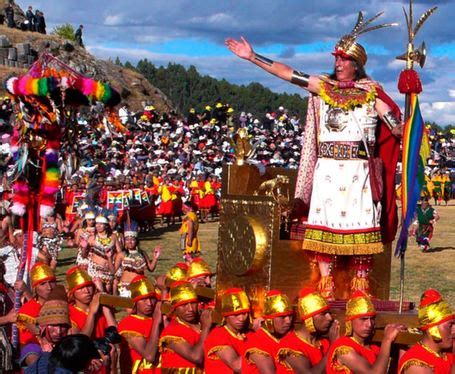
The Quipu system played a crucial role in Incan society, serving as a tool for record-keeping, communication, and administration. The system was used by the Incas to record a wide range of data, including population census, tax records, and agricultural production. Quipu was also used to record historical events, such as military conquests and the accession of new rulers. The system was highly centralized, with Quipu records maintained by trained officials known as “Quipucamayocs.” These officials were responsible for creating and interpreting Quipu records, and they played a key role in the administration of the Incan Empire.
What was the primary purpose of the Quipu system?
+The primary purpose of the Quipu system was to record and store numerical and narrative information, allowing the Incas to manage their vast empire with remarkable efficiency.
How did the Quipu system work?
+The Quipu system worked by using a series of colored strings and knots to represent different types of information. The strings were carefully knotted to convey numerical and narrative data, and the system was highly standardized and organized.
What are the challenges and opportunities of deciphering Quipu?
+The challenges of deciphering Quipu include the lack of a written language and the limited number of surviving Quipu records. However, recent advances in technology and research have made it possible to study Quipu in greater detail, and many scholars believe that the system holds the key to understanding the social, economic, and cultural practices of the Incan Empire.
In conclusion, the Quipu system is a fascinating and complex writing system that played a crucial role in the management of the Incan Empire. Despite the challenges of deciphering Quipu, the system remains an important area of study, offering insights into the social, economic, and cultural practices of the Incan people. As researchers continue to study and interpret Quipu, we may yet uncover new secrets and insights into the workings of this sophisticated and enigmatic writing system.