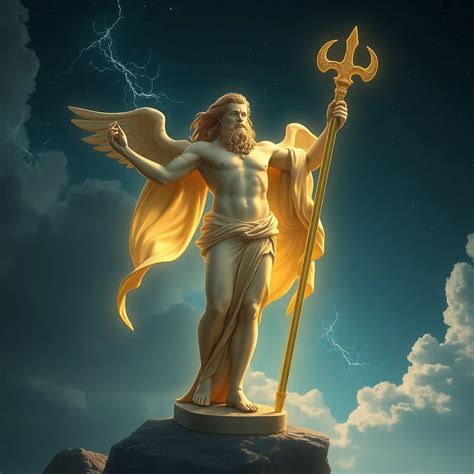
The vast expanse of Greek mythology is replete with gods and goddesses, each with their own distinct powers and stories. Among these, Hyperion, the Titan god of light, is a figure of great interest and significance. As the son of the primordial gods Uranus (the sky) and Gaea (the earth), Hyperion's birth and role in Greek mythology are deeply intertwined with the early cosmos and the establishment of the universe. His name, which translates to "he who goes before," reflects his association with the sun and the light that precedes it, signaling the dawn of a new day.
Hyperion's story is closely tied to that of his brothers and sisters, the other Titans, who were the powerful deities that ruled the universe during the Golden Age of Greek mythology. Alongside his siblings, Hyperion played a crucial role in the wars between the Titans and the Olympian gods, known as the Titanomachy. However, unlike many of his fellow Titans who opposed the Olympians, Hyperion's descendants, including Helios (the sun), Selene (the moon), and Eos (the dawn), became integral to the Olympian order, symbolizing the harmony and balance that the Olympian gods sought to establish in the universe.
Key Points
- Hyperion is the Titan god of light in Greek mythology.
- He is the son of Uranus and Gaea, making him one of the primordial Titans.
- Hyperion's name signifies his role in preceding the sun, indicating the dawn.
- His children, Helios, Selene, and Eos, are crucial to the Olympian order, representing the sun, moon, and dawn, respectively.
- Hyperion's role in the Titanomachy is significant, though his descendants' integration into the Olympian pantheon highlights the eventual balance and harmony achieved.
The Role of Hyperion in Greek Mythology
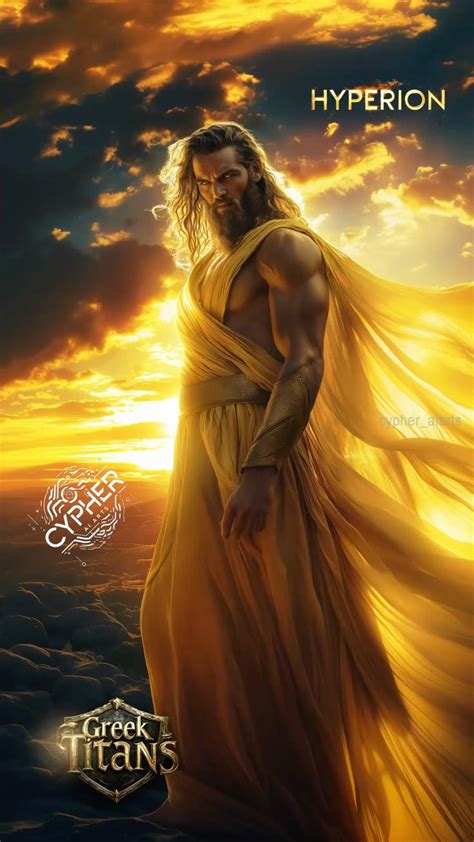
Hyperion’s position in the Greek mythological landscape is multifaceted. As a Titan, he is part of the older generation of gods, preceding the Olympian deities like Zeus, Poseidon, and Hades. His realm, associated with light, is essential for the function of the universe, as it symbolizes the beginning of time and the cycle of day and night. The myth of Hyperion also underscores the theme of succession and the struggle for power that is a common thread throughout Greek mythology, as the Olympian gods eventually supplant the Titans.
Hyperion’s Family and Legacy
Hyperion’s family is notable for its impact on the mythology of the sun, moon, and dawn. His marriage to Theia, another Titan, produced Helios, Selene, and Eos, each of whom became a personification of celestial phenomena. Helios, as the god of the sun, was often depicted as a handsome man driving a chariot of fire across the sky. Selene, the goddess of the moon, was known for her beauty and her love story with Endymion. Eos, the goddess of the dawn, was recognized by her rosy fingers, which signaled the beginning of a new day. Through his children, Hyperion’s legacy extends beyond the confines of the Titanomachy, influencing the daily lives and rituals of ancient Greeks, who revered these celestial bodies and the gods that personified them.
| Family Member | Role in Greek Mythology |
|---|---|
| Helios | God of the Sun |
| Selene | Goddess of the Moon |
| Eos | Goddess of the Dawn |
Hyperion in Art and Literature
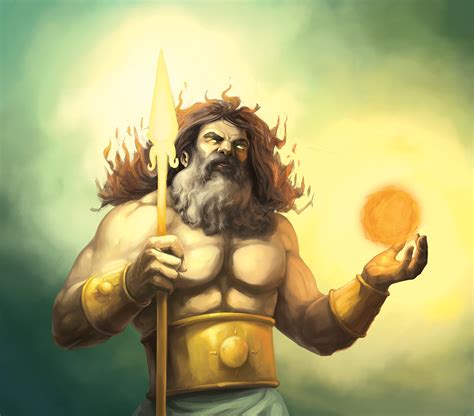
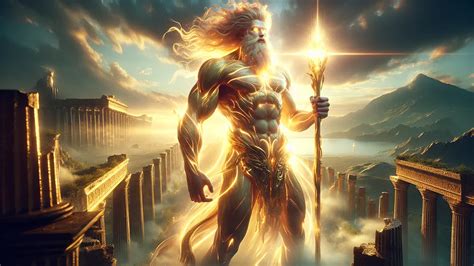
Hyperion’s influence extends beyond mythology into the realms of art and literature. In John Keats’s poem “Hyperion,” the Titan’s story is retold with a focus on the tragic fall of the Titans and the ascension of the Olympian gods. This poetic interpretation reflects the enduring fascination with Hyperion’s character and the symbolic richness of his myth. In visual arts, depictions of Hyperion and his family are less common than those of the Olympian gods, yet they appear in various forms, from ancient pottery to modern sculptures, showcasing the enduring appeal of Greek mythology in artistic expression.
Symbolism and Cultural Impact
Hyperion’s symbolism is deeply rooted in the natural world and the human experience of time and light. His association with the dawn underscores the hope and renewal that each new day brings. The worship and reverence for Helios, Selene, and Eos by ancient cultures demonstrate the practical and spiritual significance of these celestial bodies in everyday life, influencing agriculture, navigation, and religious rituals. The legacy of Hyperion, therefore, is not only a part of Greek mythology but also an integral component of the cultural and symbolic heritage of the Western world.
What is the significance of Hyperion in Greek mythology?
+Hyperion is significant as the Titan god of light, preceding the sun and symbolizing the dawn. His children, Helios, Selene, and Eos, are crucial to the Olympian order, representing the sun, moon, and dawn, respectively.
How does Hyperion’s story relate to the Olympian gods?
+Hyperion’s descendants, particularly Helios, Selene, and Eos, became integral to the Olympian pantheon, highlighting the balance and harmony achieved after the Titanomachy. This integration symbolizes the eventual acceptance and incorporation of the Titans’ roles into the Olympian order.
What is the cultural impact of Hyperion’s myth?
+The myth of Hyperion and his family has a profound cultural impact, influencing art, literature, and the symbolic understanding of natural phenomena. It underscores the universal themes of time, light, and the balance between different forces in the universe.