Understanding whether an egg is fertilized is a crucial aspect of various biological, medical, and agricultural contexts. The fertilization of an egg, also known as zygote formation, marks the beginning of a new individual's development. In humans and many other species, this process is fundamental for reproduction. However, determining if an egg is fertilized can be challenging without appropriate tools and knowledge. In this article, we will delve into the process of fertilization, signs of fertilization, and methods to determine if an egg is fertilized across different contexts.
Biological Process of Fertilization
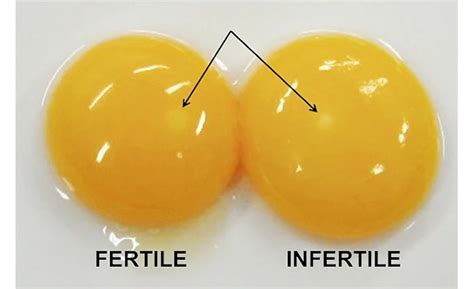
Fertilization is a complex biological process that involves the fusion of a sperm cell with an egg cell, resulting in the formation of a zygote. This zygote contains genetic material from both parents and has the potential to develop into a new individual. The process begins with ovulation, where a mature egg is released from the ovary into the fallopian tube. Sperm, which have traveled through the reproductive tract, can then fertilize the egg if they reach it within the optimal time frame. The fertilized egg then undergoes several cell divisions as it travels towards the uterus, where it will implant and continue to develop.
Signs of Fertilization
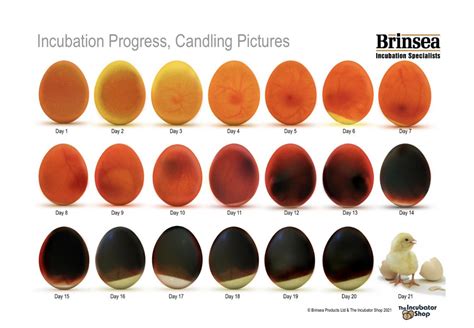
Identifying signs of fertilization can vary greatly depending on the species. In humans, early signs of fertilization and subsequent pregnancy include missed periods, nausea, breast tenderness, and fatigue. However, these symptoms can also be caused by other factors and are not definitive indicators of fertilization. In birds and other egg-laying species, fertilization can sometimes be inferred by the development of the egg. For instance, a fertilized chicken egg will exhibit a visible network of blood vessels when candled (a process where a light is shone through the egg to observe its contents) after a few days of incubation.
| Species | Signs of Fertilization |
|---|---|
| Human | Missed period, nausea, breast tenderness, fatigue |
| Chicken | Visible blood vessels when candled after incubation |
Methods to Determine Fertilization

Determining if an egg is fertilized involves different methods depending on the species and the context. In medical settings, particularly for human reproduction, pregnancy tests and ultrasounds are commonly used. For chicken eggs and other poultry, the method of candling can be used after a few days of incubation to observe the development of blood vessels and the embryo’s growth. In laboratory settings, especially for research purposes, more advanced techniques like microscopy can be used to directly observe the egg and determine if it has been fertilized.
Techniques for Observing Fertilization
In scientific research, techniques such as in vitro fertilization (IVF) allow for the direct observation of fertilization under a microscope. This method involves fertilizing an egg with sperm outside the body and then observing the resulting zygote’s development. Such techniques are not only crucial for assisted reproductive technologies but also for understanding the mechanisms of fertilization at a cellular level.
Key Points
- The fertilization of an egg is a fundamental biological process that requires the fusion of a sperm cell with an egg cell.
- Signs of fertilization vary across species, with some exhibiting visible developmental changes, while others may require medical or laboratory tests for confirmation.
- Methods to determine fertilization include medical tests like pregnancy tests and ultrasounds for humans, candling for chicken eggs, and advanced microscopy techniques in laboratory settings.
- Understanding the process and signs of fertilization is crucial for reproductive health, agriculture, and biological research.
- Techniques like in vitro fertilization allow for the direct observation of fertilization and are significant for both reproductive assistance and scientific inquiry.
In conclusion, determining if an egg is fertilized involves understanding the biological process of fertilization, recognizing the signs of fertilization, and applying appropriate methods for detection. Whether in human reproduction, agricultural practices, or scientific research, the ability to identify fertilized eggs is crucial for various applications and advancements in these fields.
How can I determine if a chicken egg is fertilized?
+To determine if a chicken egg is fertilized, you can use the method of candling after about 7-10 days of incubation. Hold the egg up to a bright light source in a dark room; if the egg is fertilized, you should see a network of blood vessels and possibly the outline of the embryo.
What are the early signs of fertilization in humans?
+Early signs of fertilization and pregnancy in humans can include a missed period, nausea, breast tenderness, and fatigue. However, these symptoms can also be caused by other factors, and the most reliable way to confirm pregnancy is through a pregnancy test and/or an ultrasound scan.
Can fertilization be observed directly?
+Yes, in certain contexts, such as in vitro fertilization (IVF) for human reproduction or in laboratory research, fertilization can be observed directly under a microscope. This allows scientists and medical professionals to study the process of fertilization closely and understand its mechanisms at a cellular level.