
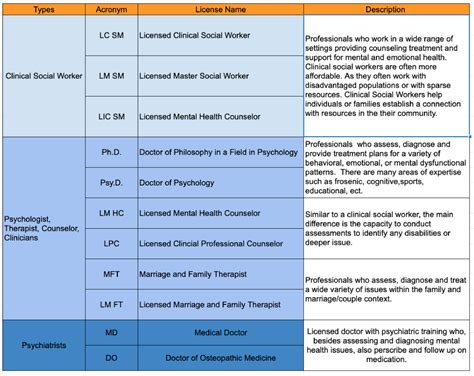
Becoming a licensed therapist is a rewarding and challenging career path that requires a strong foundation in psychology, counseling, and human development. To embark on this journey, it's essential to understand the educational, training, and licensure requirements that vary by state and country. In the United States, for instance, the licensure process typically involves earning a graduate degree in a field such as counseling, psychology, or social work, followed by supervised clinical experience and passing a licensing exam.
One of the primary steps to becoming a licensed therapist is earning a master's or doctoral degree in a relevant field. A Master's in Counseling, for example, typically takes two to three years to complete and includes coursework in areas like human development, research methods, and counseling theories. Many programs also require students to complete a practicum or internship, which provides hands-on experience in a clinical setting. According to the Bureau of Labor Statistics, employment of mental health counselors and marriage and family therapists is projected to grow 22% from 2020 to 2030, much faster than the average for all occupations.
Key Points
- Earning a graduate degree in a relevant field is a critical step towards becoming a licensed therapist.
- Supervised clinical experience through internships or practicum is essential for gaining practical skills.
- Licensure requirements vary by state, but most states require passing a licensing exam and completing continuing education requirements.
- Specializations within the field of therapy, such as substance abuse counseling or play therapy, may require additional certifications or training.
- Professional organizations, such as the American Counseling Association or the National Board for Certified Counselors, offer resources and support for licensed therapists.
Licensure Requirements and Process

The licensure process for therapists involves several steps, including applying for licensure, passing a licensing exam, and completing continuing education requirements. In the United States, the National Board for Certified Counselors (NBCC) offers the National Clinical Mental Health Counselor Examination (NCMHCE), which is used by many states as part of their licensure process. The exam assesses a candidate’s knowledge and skills in areas like assessment, diagnosis, and treatment planning. According to the NBCC, as of 2022, there are over 64,000 National Certified Counselors in the United States.
Specializations and Certifications
Within the field of therapy, there are various specializations and certifications that therapists can pursue. For example, a therapist may choose to specialize in substance abuse counseling, play therapy, or marriage and family therapy. These specializations often require additional training or certifications, such as the Certified Substance Abuse Counselor (CSAC) credential or the Registered Play Therapist (RPT) credential. The Association for Play Therapy reports that play therapy is an effective treatment approach for children and adolescents, with research supporting its use in reducing symptoms of anxiety and depression.
| Specialization | Certification | Description |
|---|---|---|
| Substance Abuse Counseling | CSAC | Certified Substance Abuse Counselor credential, demonstrating expertise in substance abuse treatment. |
| Play Therapy | RPT | Registered Play Therapist credential, indicating specialized training in play therapy techniques. |
| Marriage and Family Therapy | AAMFT | American Association for Marriage and Family Therapy clinical membership, signifying advanced training in marriage and family therapy. |
Professional Development and Continuing Education

Once licensed, therapists must complete continuing education requirements to maintain their licensure. These requirements vary by state but typically involve completing a certain number of hours of continuing education courses or training programs. The American Psychological Association offers a variety of continuing education opportunities, including online courses and workshops, to help therapists stay current on the latest research and best practices. According to the Bureau of Labor Statistics, the median annual salary for mental health counselors was 47,660 in May 2020, with the top 10% earning more than 73,520.
Challenges and Rewards of Being a Licensed Therapist
Being a licensed therapist can be a highly rewarding career, offering the opportunity to make a positive impact on individuals, families, and communities. However, it also involves challenges, such as managing complex cases, dealing with emotional burnout, and navigating the complexities of the mental health system. A study published in the Journal of Clinical Psychology found that therapists who prioritize self-care and seek support from colleagues and supervisors are better equipped to manage the stresses of the job and maintain their own mental health.
What are the typical steps to becoming a licensed therapist?
+The typical steps to becoming a licensed therapist include earning a graduate degree in a relevant field, completing supervised clinical experience, and passing a licensing exam. Licensure requirements vary by state, but most states require applicants to complete a certain number of hours of supervised experience and pass a licensing exam, such as the National Clinical Mental Health Counselor Examination (NCMHCE).
How do I choose a specialization within the field of therapy?
+Choosing a specialization within the field of therapy involves considering your interests, skills, and career goals. You may want to research different specializations, such as substance abuse counseling or play therapy, and talk to experienced therapists in those fields. It's also essential to consider the certification requirements and continuing education needs for your chosen specialization.
What are the benefits of becoming a licensed therapist?
+The benefits of becoming a licensed therapist include the opportunity to make a positive impact on individuals, families, and communities, as well as the potential for career advancement and higher earnings. Licensed therapists also have access to a wide range of job opportunities, including private practice, hospitals, clinics, and non-profit organizations. Additionally, the field of therapy is expected to grow in the coming years, making it a stable and rewarding career choice.
In conclusion, becoming a licensed therapist requires a significant investment of time, effort, and resources. However, for those who are passionate about helping others and making a positive impact on their communities, the rewards of this career path can be substantial. By understanding the licensure requirements, choosing a specialization, and prioritizing continuing education and self-care, licensed therapists can build successful and fulfilling careers in this vital field.