Becoming a paralegal is a rewarding career choice that offers a unique blend of law, research, and administrative skills. As a paralegal, you will have the opportunity to work closely with attorneys, assist with case preparation, and contribute to the delivery of high-quality legal services. With the increasing demand for paralegals in the legal industry, now is an excellent time to embark on this exciting career path. In this article, we will explore the steps to become a paralegal, the skills and qualifications required, and the benefits of pursuing a career in this field.
Key Points
- Earn a paralegal certificate or degree from an American Bar Association (ABA)-approved program
- Gain practical experience through internships or volunteer work
- Develop strong research and communication skills
- Consider obtaining specialized certifications, such as the Certified Paralegal (CP) or Certified Registered Paralegal (CRP) designations
- Stay up-to-date with continuing education requirements and industry developments
Education and Training

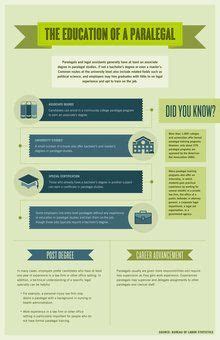
To become a paralegal, you will typically need to complete a paralegal program approved by the American Bar Association (ABA). These programs are usually offered at community colleges, universities, or online institutions and can take anywhere from a few months to two years to complete. Coursework may include subjects such as torts, contracts, property law, and legal research and writing. Some programs may also offer specializations in areas like litigation, corporate law, or intellectual property.
Paralegal Certificate vs. Associate’s Degree
When choosing a paralegal program, you will need to decide between a certificate and an associate’s degree. A paralegal certificate is a shorter program that focuses specifically on paralegal training, while an associate’s degree is a two-year program that provides a broader education in addition to paralegal training. Both options can lead to a successful paralegal career, but an associate’s degree may provide more flexibility and opportunities for advancement.
| Paralegal Program | Length | Credit Hours |
|---|---|---|
| Paralegal Certificate | Several months to 1 year | 18-30 credit hours |
| Associate's Degree in Paralegal Studies | 2 years | 60-70 credit hours |
Skills and Qualifications
To succeed as a paralegal, you will need to possess a combination of technical, administrative, and interpersonal skills. Some of the key skills and qualifications include:
- Strong research and analytical skills
- Excellent communication and writing skills
- Attention to detail and organizational abilities
- Ability to work independently and as part of a team
- Familiarity with legal software and technology
- Basic understanding of law and legal procedures
Certifications and Specializations
While not always required, obtaining certifications or specializations can enhance your career prospects and demonstrate your expertise in a particular area of law. Some popular certifications for paralegals include the Certified Paralegal (CP) and Certified Registered Paralegal (CRP) designations. You can also consider specializing in areas like litigation, corporate law, or intellectual property to increase your marketability and opportunities for advancement.
Job Outlook and Salary
The job outlook for paralegals is promising, with the Bureau of Labor Statistics (BLS) predicting a 10% growth in employment opportunities from 2020 to 2030. This growth is driven by the increasing demand for legal services, particularly in areas like healthcare and technology. According to the BLS, the median annual salary for paralegals was 56,230 in May 2020, with the top 10% of paralegals earning more than 85,000.
Work Environment and Job Responsibilities
Paralegals can work in a variety of settings, including law firms, corporations, government agencies, and non-profit organizations. Your job responsibilities may include conducting research, preparing documents, assisting with case preparation, and communicating with clients and attorneys. As a paralegal, you will play a critical role in supporting the delivery of high-quality legal services and contributing to the success of your organization.
What is the average salary for a paralegal in the United States?
+The median annual salary for paralegals in the United States was $56,230 in May 2020, according to the Bureau of Labor Statistics (BLS).
Do I need to be certified to work as a paralegal?
+Certification is not always required, but it can enhance your career prospects and demonstrate your expertise in a particular area of law.
What skills and qualifications do I need to become a successful paralegal?
+To succeed as a paralegal, you will need to possess a combination of technical, administrative, and interpersonal skills, including strong research and analytical skills, excellent communication and writing skills, and attention to detail and organizational abilities.
In conclusion, becoming a paralegal can be a rewarding and challenging career choice that offers a unique blend of law, research, and administrative skills. By following the steps outlined in this article, you can set yourself on the path to success in this exciting field. Remember to stay current with changes in the law and industry developments, and consider obtaining certifications or specializations to enhance your career prospects. With the right education, skills, and training, you can build a successful and fulfilling career as a paralegal.