When it comes to crafting engaging and effective content, paragraph size plays a crucial role. A well-structured paragraph can significantly enhance the readability and overall flow of your text. In this section, we will delve into the importance of paragraph size and provide actionable tips to help you optimize your writing.
Understanding the Importance of Paragraph Size
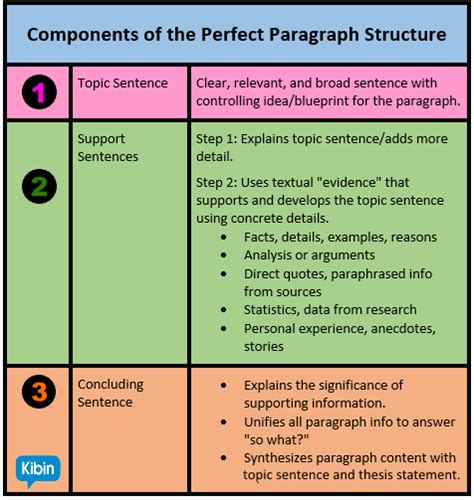
The size of your paragraphs can greatly impact how your content is perceived by readers. Large blocks of text can be overwhelming and may deter readers from engaging with your material. On the other hand, paragraphs that are too short may come across as choppy or lacking in depth. Finding the right balance is key to maintaining reader interest and conveying your message effectively.
Tip 1: Vary Paragraph Length
Varying the length of your paragraphs is essential for creating a visually appealing and engaging text. A good rule of thumb is to mix short paragraphs (2-3 sentences) with longer ones (5-7 sentences). This variation helps to create a sense of rhythm and flow, making your content more enjoyable to read. For instance, you can use shorter paragraphs to highlight important points or transition between ideas, and longer paragraphs to provide detailed explanations or supporting evidence.
Tip 2: Use Paragraphs to Create Emphasis
Paragraphs can be used strategically to draw attention to specific points or create emphasis. A single sentence or a very short paragraph can be used to make a strong statement or to surprise the reader. This technique can add variety to your writing and make your content more dynamic. However, it’s crucial to use this technique judiciously, as overuse can lead to a disjointed reading experience.
Tip 3: Consider the Context
The context in which your content is being read should also influence your paragraph size. For example, content intended for mobile devices may require shorter paragraphs due to the smaller screen size. Conversely, academic or technical writing may permit longer paragraphs as the audience is likely more accustomed to in-depth, detailed explanations. Understanding your audience and the medium through which they will consume your content is vital for determining the optimal paragraph size.
Tip 4: Use Transition Words and Phrases
Transition words and phrases are essential for connecting your paragraphs and creating a cohesive narrative. They help readers follow your train of thought and understand how different ideas are related. By incorporating transitional elements, you can guide your readers through your content more effectively, regardless of the paragraph size. This technique is particularly useful in longer paragraphs, where it can help to break down complex ideas into more manageable sections.
Tip 5: Edit and Adjust
Finally, it’s essential to review and edit your content to ensure that your paragraphs are well-balanced and effective. During the editing process, pay attention to how your paragraphs flow together and make adjustments as needed. Sometimes, breaking up a long paragraph or combining short ones can significantly improve the clarity and readability of your text. Don’t be afraid to experiment with different paragraph lengths and structures until you find a rhythm that works for your content and resonates with your audience.
| Paragraph Length | Purpose |
|---|---|
| Short (2-3 sentences) | Highlighting important points, transitioning between ideas |
| Medium (4-5 sentences) | Providing explanations, supporting evidence |
| Long (6-7 sentences) | Detailing complex ideas, creating narrative flow |
Key Points
- Vary paragraph length to create a sense of rhythm and flow.
- Use short paragraphs to highlight important points or transition between ideas.
- Consider the context and audience when determining paragraph size.
- Utilize transition words and phrases to connect paragraphs and create a cohesive narrative.
- Edit and adjust paragraph size during the review process to ensure clarity and readability.
What is the ideal paragraph size for engaging content?
+The ideal paragraph size can vary depending on the context, audience, and purpose of the content. However, a good rule of thumb is to aim for paragraphs that are between 2-7 sentences in length, mixing short and long paragraphs to create a sense of rhythm and flow.
How can I use paragraph size to create emphasis in my writing?
+You can use paragraph size to create emphasis by employing short paragraphs or single-sentence paragraphs to highlight important points or surprise the reader. This technique can add variety to your writing and make your content more dynamic.
Why is it important to consider the context when determining paragraph size?
+Considering the context is crucial because it affects how your content is consumed. For example, content intended for mobile devices may require shorter paragraphs due to the smaller screen size, while academic or technical writing may permit longer paragraphs as the audience is likely more accustomed to in-depth explanations.