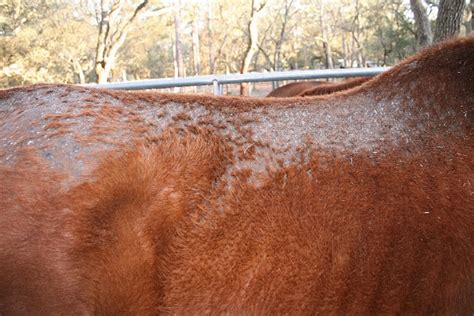
Rain rot, also known as rain scald, is a common skin condition that affects horses, particularly those exposed to wet and humid environments. The condition is caused by the bacterium Dermatophilus congolensis, which thrives in moist conditions and can infect the skin of horses through cuts, scratches, or other openings. Rain rot can lead to significant discomfort and health issues in horses if left untreated, making it essential for horse owners and caregivers to recognize the signs and take prompt action to address the condition.
Key Points
- Rain rot is a bacterial skin infection caused by Dermatophilus congolensis
- The condition thrives in wet and humid environments, making horses exposed to rain and moisture more susceptible
- Symptoms include crusty scabs, hair loss, and skin inflammation, often accompanied by itching and discomfort
- Prompt treatment with antibiotics and proper wound care is essential to prevent complications and promote healing
- Preventive measures, such as regular grooming, proper shelter, and reduced exposure to wet conditions, can help minimize the risk of rain rot
Causes and Risk Factors
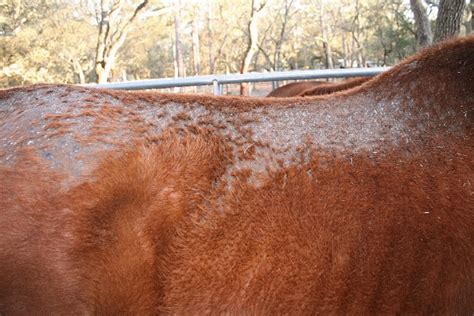
The bacterium Dermatophilus congolensis is the primary cause of rain rot in horses. This bacterium is typically found in soil and can infect the skin of horses through cuts, scratches, or other openings. Horses exposed to wet and humid environments, such as those living in areas with high rainfall or those that spend extended periods outdoors, are more susceptible to developing rain rot. Other risk factors include poor grooming, inadequate shelter, and underlying health conditions that compromise the immune system.
Symptoms and Diagnosis
The symptoms of rain rot in horses can vary depending on the severity of the infection. Common signs include crusty scabs, hair loss, and skin inflammation, often accompanied by itching and discomfort. In severe cases, the infection can lead to more serious complications, such as abscesses, cellulitis, and septicemia. Diagnosis is typically made through a combination of physical examination, medical history, and laboratory tests, including skin scrapings and bacterial culture.
| Diagnostic Test | Description |
|---|---|
| Skin Scrapings | A sample of skin cells is collected and examined under a microscope to detect the presence of Dermatophilus congolensis |
| Bacterial Culture | A sample of skin tissue or discharge is cultured to isolate and identify the causative bacterium |
| Physical Examination | A thorough examination of the horse's skin and overall health to identify signs of infection and assess the severity of the condition |

Treatment and Management
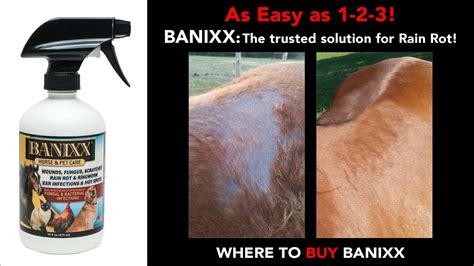
Treatment of rain rot in horses typically involves a combination of antibiotics, wound care, and management of the underlying conditions that may have contributed to the development of the infection. Topical and systemic antibiotics may be prescribed to control the bacterial infection, while wound care involves cleaning and dressing the affected areas to promote healing. In severe cases, hospitalization and supportive care may be necessary to manage complications and prevent further infection.
Prevention and Control
Prevention and control of rain rot in horses involve reducing exposure to wet and humid environments, regular grooming, and proper shelter. Horse owners and caregivers should ensure that horses have access to dry and well-ventilated living areas, and that they are provided with regular opportunities for exercise and movement. Regular grooming can help identify early signs of infection, while prompt treatment can prevent the development of more serious complications.
What are the most common signs of rain rot in horses?
+The most common signs of rain rot in horses include crusty scabs, hair loss, and skin inflammation, often accompanied by itching and discomfort.
How is rain rot typically diagnosed in horses?
+Rain rot is typically diagnosed through a combination of physical examination, medical history, and laboratory tests, including skin scrapings and bacterial culture.
What is the best way to prevent rain rot in horses?
+The best way to prevent rain rot in horses is to reduce exposure to wet and humid environments, provide regular grooming, and ensure proper shelter and living conditions.
In conclusion, rain rot is a common skin condition that affects horses, particularly those exposed to wet and humid environments. Prompt treatment and proper management are essential to prevent complications and promote healing. By understanding the causes, symptoms, and treatment options for rain rot, horse owners and caregivers can take proactive steps to protect their horses and prevent the development of this condition.