Neutrophils and lymphocytes are two types of white blood cells that play crucial roles in the immune system. Neutrophils are the most abundant type of white blood cell and are primarily responsible for fighting bacterial infections, whereas lymphocytes, which include B cells and T cells, are essential for immune responses to viral infections and other foreign substances. An imbalance in the levels of these cells can indicate various health issues. Specifically, a condition characterized by high neutrophils and low lymphocytes can have significant implications for an individual's health and requires careful medical evaluation.
This imbalance, often referred to as neutrophilia with lymphopenia, can be caused by a variety of factors including infections, autoimmune diseases, bone marrow disorders, and certain medications. For instance, during an acute bacterial infection, the body may increase the production of neutrophils to combat the invading bacteria, potentially leading to a relative decrease in lymphocyte counts. On the other hand, conditions such as HIV/AIDS can directly affect lymphocyte production, leading to a decrease in their counts. Understanding the underlying cause of this imbalance is critical for appropriate management and treatment.
Key Points
- High neutrophils and low lymphocytes can indicate an underlying infection, autoimmune disorder, or bone marrow condition.
- The imbalance can result from various factors, including the body's response to acute infections or chronic conditions affecting the immune system.
- Accurate diagnosis involves comprehensive medical evaluation, including blood tests and potentially, further diagnostic procedures.
- Treatment strategies depend on the underlying cause and may involve antibiotics for bacterial infections, antiviral medications for viral infections, or immunomodulatory therapies for autoimmune conditions.
- Monitoring and follow-up are essential to assess the response to treatment and adjust the therapeutic approach as needed.
Causes of High Neutrophils and Low Lymphocytes
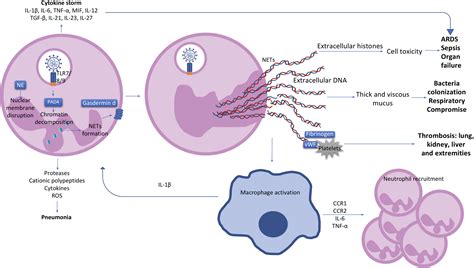
The causes of an imbalance characterized by high neutrophils and low lymphocytes are diverse and can range from acute to chronic conditions. Acute bacterial infections, such as pneumonia or sepsis, can lead to a significant increase in neutrophil production as the body attempts to combat the infection. Conversely, viral infections, including COVID-19, can initially cause a decrease in lymphocyte counts. Additionally, certain autoimmune diseases, where the body’s immune system mistakenly attacks its own cells, can affect lymphocyte production and function. Medications, such as corticosteroids, can also suppress the immune system, leading to changes in white blood cell counts.
Role of Neutrophils and Lymphocytes in Infections
Neutrophils are a first line of defense against infections, particularly those caused by bacteria and fungi. They engulf and kill pathogens through a process known as phagocytosis. Lymphocytes, on the other hand, are crucial for specific immune responses. B cells produce antibodies to mark pathogens for destruction, while T cells can directly kill infected cells or help control the immune response. An imbalance in these cell types can impair the body’s ability to fight off infections effectively, potentially leading to more severe or prolonged illnesses.
| Condition | Effect on Neutrophils | Effect on Lymphocytes |
|---|---|---|
| Bacterial Infection | Increased | May be decreased relatively |
| Viral Infection | May be normal or decreased | Decreased |
| Autoimmune Disease | May be increased due to inflammation | Decreased due to immune system dysregulation |
Treatment and Management
Treatment of high neutrophils and low lymphocytes focuses on addressing the underlying cause. For bacterial infections, antibiotics are prescribed. Viral infections may require antiviral medications, and in some cases, treatment focuses on managing symptoms and supporting the body’s immune response. For autoimmune conditions, immunosuppressive or immunomodulatory therapies may be used to regulate the immune system. In cases where medications are causing the imbalance, adjusting or changing the medication regimen may be necessary. Nutritional support and lifestyle modifications can also play a role in helping the body recover from infections and manage chronic conditions.
Importance of Follow-Up and Monitoring
Regular follow-up appointments with healthcare providers are critical for individuals with an imbalance of high neutrophils and low lymphocytes. These visits allow for the monitoring of white blood cell counts, assessment of the response to treatment, and adjustment of the treatment plan as necessary. Additionally, monitoring can help in the early detection of potential complications or the development of new conditions that may affect the immune system.
What are the common symptoms associated with high neutrophils and low lymphocytes?
+Symptoms can vary widely depending on the underlying cause but may include fever, fatigue, recurring infections, and in severe cases, symptoms of sepsis or failure of vital organs.
How are high neutrophils and low lymphocytes diagnosed?
+Diagnosis typically involves a complete blood count (CBC) to determine the levels of neutrophils and lymphocytes, along with other diagnostic tests to identify the underlying cause, such as cultures, viral tests, or autoimmune disease panels.
Can lifestyle changes help in managing high neutrophils and low lymphocytes?
+Yes, maintaining a healthy diet, staying hydrated, getting adequate rest, avoiding excessive stress, and not smoking can help support the immune system. However, these changes should be made under the guidance of a healthcare provider, especially if an individual has a chronic condition.
In conclusion, an imbalance of high neutrophils and low lymphocytes is a complex condition that requires thorough medical evaluation to determine the underlying cause. Treatment strategies vary based on the cause and may involve medications, lifestyle modifications, and monitoring to prevent complications. Understanding the role of neutrophils and lymphocytes in the immune response and the factors that can affect their levels is crucial for managing conditions characterized by this imbalance and supporting overall health.