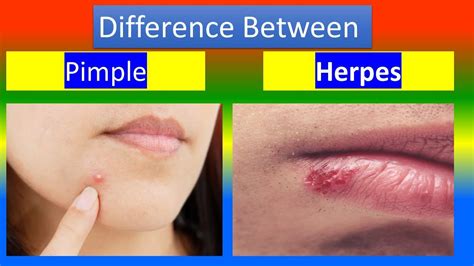
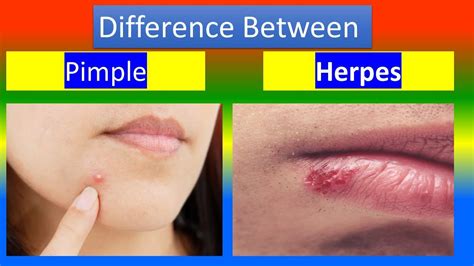
When it comes to skin conditions, two common issues that often get confused with each other are herpes and pimples. Both can cause red, inflamed bumps on the skin, but they have distinct differences in terms of causes, symptoms, and treatments. Understanding the differences between herpes and pimples is crucial for proper diagnosis and management. In this article, we will delve into the world of herpes and pimples, exploring their characteristics, and providing insights into how to differentiate between them.
Understanding Herpes
Herpes is a viral infection caused by the herpes simplex virus (HSV), which can be classified into two main types: HSV-1 and HSV-2. HSV-1 is primarily responsible for oral herpes, which manifests as cold sores around the mouth, while HSV-2 is the main cause of genital herpes, characterized by sores in the genital area. However, it’s worth noting that both types can infect either area. Herpes is highly contagious and can be spread through skin-to-skin contact with an infected person, even when they are not showing any symptoms. The virus remains dormant in the nerve cells and can reactivate periodically, leading to recurrent outbreaks.
Symptoms of Herpes
The symptoms of herpes can vary depending on the severity of the infection and the individual’s overall health. Common symptoms include painful blisters or sores, itching, burning sensations, and swollen lymph nodes. In some cases, herpes can also cause fever, headache, and fatigue. The initial outbreak is usually the most severe, with subsequent outbreaks often being milder. It’s essential to recognize that herpes can also be asymptomatic, meaning that some individuals may not exhibit any noticeable symptoms despite being infected.
Key Points
- Herpes is a viral infection caused by the herpes simplex virus (HSV).
- There are two main types of HSV: HSV-1 and HSV-2, which primarily cause oral and genital herpes, respectively.
- Herpes is highly contagious and can be spread through skin-to-skin contact.
- Symptoms include painful blisters or sores, itching, and burning sensations.
- Herpes can be asymptomatic, and the virus remains dormant in the nerve cells, causing recurrent outbreaks.
Understanding Pimples
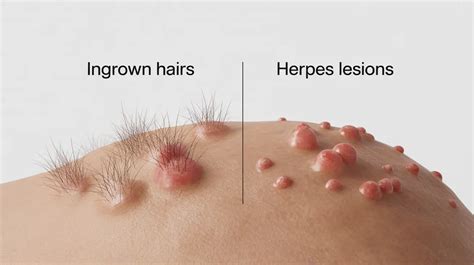
Pimples, also known as acne, are a common skin condition characterized by the occurrence of comedones (blackheads and whiteheads) and inflammatory lesions (papules, pustules, nodules, and cysts). Pimples are primarily caused by the blockage of hair follicles due to excess oil production, dead skin cells, and bacteria. This blockage leads to inflammation and the formation of pimples. Unlike herpes, pimples are not contagious and can be treated with a variety of topical and oral medications.
Symptoms of Pimples
The symptoms of pimples can range from mild to severe and include the presence of blackheads, whiteheads, and inflammatory lesions. Pimples can cause redness, swelling, and pain, especially if they become infected. It’s crucial to avoid picking or popping pimples, as this can lead to further inflammation, scarring, and the spread of bacteria.
| Condition | Causes | Symptoms |
|---|---|---|
| Herpes | Herpes simplex virus (HSV) | Painful blisters or sores, itching, burning sensations |
| Pimples | Blockage of hair follicles due to excess oil, dead skin cells, and bacteria | Blackheads, whiteheads, inflammatory lesions, redness, swelling, pain |
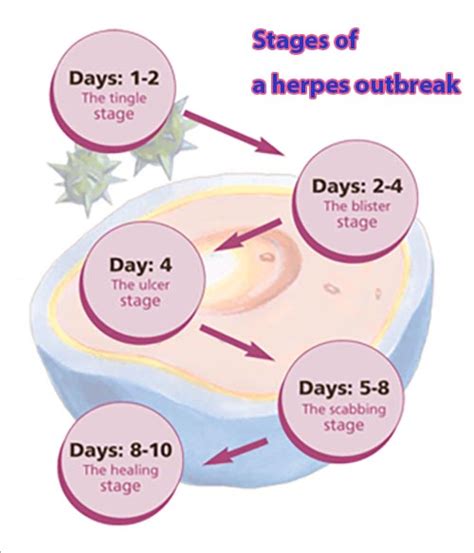
Differentiating Between Herpes and Pimples
Differentiating between herpes and pimples can be challenging, but there are some key differences to look out for. Herpes typically causes painful blisters or sores, whereas pimples are usually characterized by comedones and inflammatory lesions. Herpes is also highly contagious, whereas pimples are not. A healthcare professional can provide a definitive diagnosis based on a physical examination, medical history, and laboratory tests.
Treatment and Management
Treatment for herpes and pimples varies depending on the severity of the condition and the individual’s overall health. Herpes treatment typically involves antiviral medications, such as acyclovir or valacyclovir, to manage symptoms and reduce the frequency of outbreaks. Pimple treatment may involve topical retinoids, benzoyl peroxide, or oral antibiotics to reduce inflammation and prevent scarring. In some cases, a combination of treatments may be necessary to achieve optimal results.
What is the main difference between herpes and pimples?
+The main difference between herpes and pimples is the cause. Herpes is a viral infection caused by the herpes simplex virus (HSV), whereas pimples are caused by the blockage of hair follicles due to excess oil, dead skin cells, and bacteria.
How can I prevent herpes outbreaks?
+Preventing herpes outbreaks involves practicing good hygiene, avoiding skin-to-skin contact with infected individuals, and taking antiviral medications as prescribed by a healthcare professional.
What is the best way to treat pimples?
+Treating pimples involves keeping the skin clean, using topical retinoids or benzoyl peroxide to reduce inflammation, and avoiding picking or popping pimples to prevent further inflammation and scarring.
In conclusion, while herpes and pimples can cause red, inflamed bumps on the skin, they have distinct differences in terms of causes, symptoms, and treatments. Understanding these differences is crucial for proper diagnosis and management. By recognizing the characteristics of each condition and seeking professional help when needed, individuals can effectively manage their symptoms and promote healthy skin.