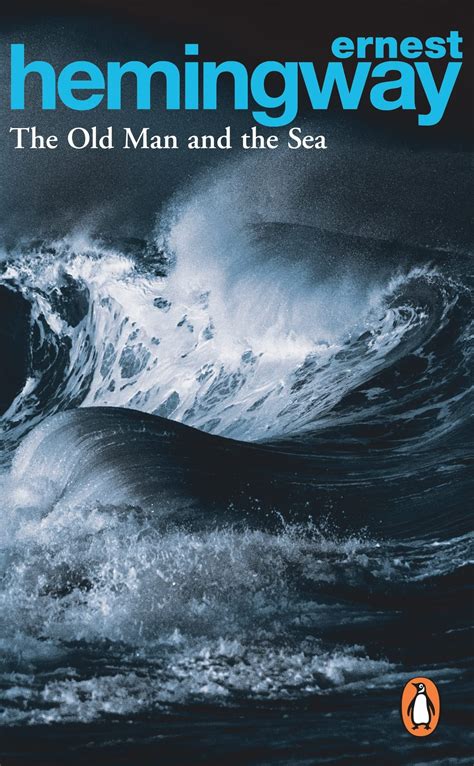
Santiago, the aging fisherman, stood on the worn wooden dock, his eyes fixed on the horizon as the sun rose over the calm waters of the Gulf Stream. The old man's journey, as told by Ernest Hemingway in his novella "The Old Man and the Sea," is a powerful exploration of perseverance, redemption, and the human struggle against nature. Published in 1952, this Pulitzer Prize-winning work is a masterclass in sparse, yet evocative prose, as Hemingway weaves a narrative that is both deeply personal and universally relatable.
The Old Man’s Quest
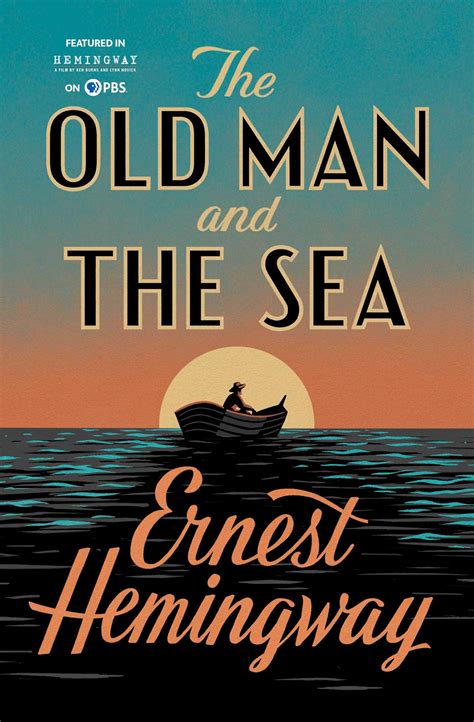
Santiago’s obsession with catching a giant marlin is more than just a test of his fishing prowess; it’s a quest for dignity, respect, and a sense of purpose. After 84 days without a catch, the old man is considered unlucky by the other fishermen in his village, and his apprentice, Manolin, has been forbidden by his parents to sail with him. Undeterred, Santiago sets out to sea, driven by a deep-seated determination to prove himself and regain the respect of his community. As he navigates the challenges of the ocean, Santiago’s story becomes a rich tapestry of themes, including the struggle between man and nature, the importance of perseverance, and the complexities of the human condition.
Symbolism and Imagery
The novella is replete with symbolism, from the giant marlin, which represents the elusive and often cruel nature of fate, to the sharks, which embody the destructive forces that seek to undermine human endeavor. The sea itself is a powerful symbol, representing both the source of life and the abyss of death. Hemingway’s use of imagery is equally impressive, as he conjures vivid pictures of the ocean’s beauty and brutality. The old man’s hands, “with the deep-etched lines and the knuckles that were like the knots of a rope,” are a testament to his years of hard work and dedication to his craft.
| Symbol | Meaning |
|---|---|
| The Marlin | Elusive nature of fate, dignity, and respect |
| The Sharks | Destructive forces, chaos, and the undermining of human endeavor |
| The Sea | Source of life, abyss of death, and the unknown |
Themes and Motifs
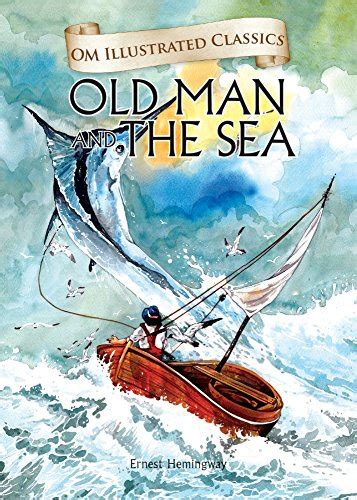
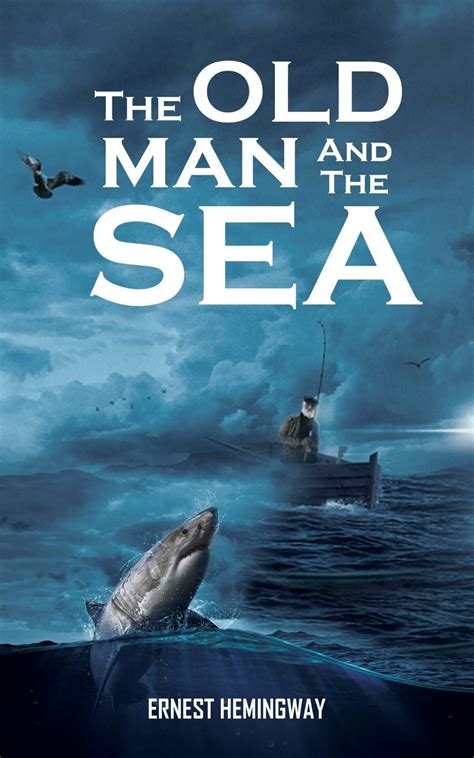
Beneath its deceptively simple surface, “The Old Man and the Sea” explores a range of complex themes and motifs, including the human condition, perseverance, and the struggle between man and nature. The old man’s journey is a powerful metaphor for the human experience, with its attendant struggles, triumphs, and setbacks. Through Santiago’s story, Hemingway raises important questions about the nature of existence, the importance of living in the present, and the interconnectedness of all living things.
Key Points
- The novella is a powerful exploration of perseverance, redemption, and the human struggle against nature.
- The old man's journey is a metaphor for the human experience, with its attendant struggles, triumphs, and setbacks.
- Hemingway's use of symbolism and imagery is a masterclass in subtlety and restraint, inviting the reader to interpret the narrative in their own way.
- The novella raises important questions about the nature of existence, the importance of living in the present, and the interconnectedness of all living things.
- The old man's story is a testament to the human spirit, with its capacity for hope, resilience, and transformation.
Style and Structure
Hemingway’s distinctive writing style, characterized by simplicity, clarity, and a focus on concrete, descriptive details, is perfectly suited to the novella’s themes and motifs. The narrative is structured as a series of vignettes, each of which explores a different aspect of the old man’s journey. From the opening scenes, in which Santiago is introduced as a solitary figure, struggling to make a living in a world that seems determined to undermine him, to the novella’s poignant conclusion, in which the old man returns to shore, exhausted but triumphant, the narrative is a masterclass in understated power and emotional resonance.
As the old man's story comes to a close, the reader is left to ponder the deeper meanings and significance of his journey. What does it mean to be a man, to be human, in a world that is often cruel and unforgiving? How do we find dignity and purpose in a life that is marked by struggle and hardship? These are the questions that Hemingway's novella poses, and it is up to the reader to provide their own answers, drawing on their own experiences and insights.
What is the significance of the marlin in the novella?
+The marlin represents the elusive and often cruel nature of fate, as well as the old man's quest for dignity and respect. It is a symbol of the unknown, the unattainable, and the sublime.
How does Hemingway's writing style contribute to the novella's themes and motifs?
+Hemingway's distinctive writing style, characterized by simplicity, clarity, and a focus on concrete, descriptive details, is perfectly suited to the novella's themes and motifs. It creates a sense of intimacy and connection with the narrative, drawing the reader into the old man's world and inviting them to reflect on their own struggles and triumphs.
What is the significance of the old man's journey in the novella?
+The old man's journey is a powerful metaphor for the human experience, with its attendant struggles, triumphs, and setbacks. It is a testament to the human spirit, with its capacity for hope, resilience, and transformation.
Meta description: Explore the themes, motifs, and symbolism in Ernest Hemingway’s “The Old Man and the Sea,” a powerful novella about perseverance, redemption, and the human struggle against nature.