Helen Keller, one of the most iconic and inspiring figures in history, left an indelible mark on the world through her writings, teachings, and unwavering advocacy for the deaf and blind. Born in 1880, Keller's life was a testament to the human spirit's capacity for resilience, determination, and the pursuit of knowledge. Despite being rendered deaf and blind at the age of 19 months due to a severe illness, Keller learned to communicate and read through the tireless efforts of her teacher, Anne Sullivan. This remarkable journey not only shaped her personal life but also influenced her literary works, which continue to inspire and educate readers worldwide.
Introduction to Helen Keller’s Literary Works
Keller’s writings are a reflection of her deep understanding of the human condition, her experiences, and her philosophical outlook on life. Her books are not just autobiographical accounts but also serve as educational tools, offering insights into the world of the deaf and blind, and advocating for their rights and inclusion in society. Through her works, Keller aimed to dispel misconceptions about disability, promote empathy, and encourage readers to embrace the diversity of human experience. This article will delve into five significant books by Helen Keller, exploring their themes, historical context, and the impact they have had on readers and society.
Key Points
- Helen Keller's literary works are a blend of autobiography, advocacy, and philosophical reflection.
- Her books provide unique insights into the experiences of the deaf and blind, challenging societal norms and promoting inclusion.
- Keller's writings are characterized by their accessibility, making complex themes and experiences understandable to a wide range of readers.
- Each book offers a window into different periods of Keller's life, from her early education to her later years as an international advocate for the disabled.
- Keller's legacy extends beyond her writings, influencing educational practices, disability rights, and inspiring countless individuals around the world.
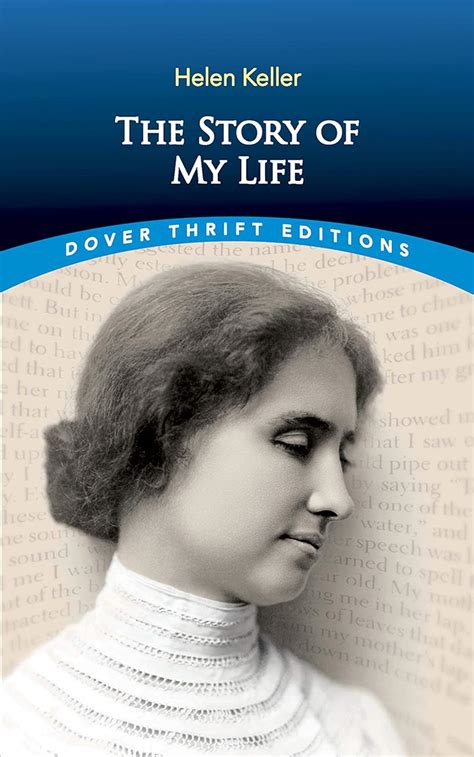
The Story of My Life (1903)
This autobiography is perhaps Keller’s most famous work, detailing her early life, her relationship with Anne Sullivan, and her educational journey. The Story of My Life is a powerful narrative that not only chronicles Keller’s personal growth but also serves as a testament to the efficacy of innovative educational methods. The book is divided into three parts, each focusing on a significant period in Keller’s life, from her childhood and the initial breakthroughs with Sullivan to her years at the Perkins School for the Blind and the Cambridge School for Young Ladies.
Themes and Impact
The themes of resilience, the importance of education, and the potential for human achievement despite adversity are central to The Story of My Life. Keller’s account of learning to communicate, starting with the infamous water pump incident where she connected the concept of “water” with the sign for it, has become an iconic moment in educational history. This book has inspired generations of readers, offering a hopeful and empowering message about overcoming obstacles and achieving one’s potential.
Optimism (1903)
Published in the same year as The Story of My Life, Optimism is a collection of essays that reflect Keller’s philosophical outlook on life. In this work, Keller explores the concept of optimism, not as a naive disregard for life’s challenges, but as a deliberate choice to focus on the positive aspects of human experience. She argues that optimism is not merely a temperament but a moral duty, essential for personal fulfillment and societal progress.
Philosophical Insights
Keller’s essays in Optimism are characterized by their depth and accessibility, making complex philosophical ideas understandable to a broad audience. She draws on her personal experiences, historical events, and literary works to illustrate the power of optimism in transforming individual lives and society. This book demonstrates Keller’s intellectual breadth and her commitment to spreading a message of hope and resilience.
The World I Live In (1908)
In The World I Live In, Keller offers a unique perspective on the world, one that is both deeply personal and universally relatable. This book is a collection of essays that explore the senses, imagination, and the ways in which the deaf and blind experience and interact with the world. Keller challenges conventional notions of perception and reality, arguing that the absence of one sense can heighten the acuity of others, and that imagination plays a crucial role in shaping our understanding of the world.
Challenging Perceptions
Through The World I Live In, Keller seeks to bridge the gap between the deaf and blind community and the sighted and hearing world. She does so by sharing her own experiences, from the joy of touch and the beauty of nature to the challenges of communication and the importance of empathy. This work is a powerful advocacy for inclusivity and understanding, demonstrating that despite physical differences, human beings share a common emotional and intellectual landscape.
Out of the Dark (1913)

Out of the Dark is a collection of essays and speeches that Keller delivered during her early years as an advocate for the disabled. The book addresses a range of topics, including education, social welfare, and the rights of the deaf and blind. Keller’s arguments are grounded in her belief in the potential of every individual, regardless of their physical abilities, and she challenges societal attitudes that marginalize or exclude people with disabilities.
Advocacy and Activism
Keller’s work in Out of the Dark reflects her growing involvement in social and political issues. She was a pioneer in advocating for the rights of the disabled, recognizing the importance of accessibility, education, and employment opportunities. This book is a testament to Keller’s commitment to creating a more inclusive society, where every individual has the opportunity to contribute and thrive.
Teacher: Anne Sullivan Macy (1933)
This biography is a tribute to Anne Sullivan, the teacher who played a pivotal role in Keller’s life. Teacher: Anne Sullivan Macy is a heartfelt and insightful portrayal of their relationship, from the early days of their work together to Sullivan’s later years. Keller’s account is not only a personal memoir but also a professional appraisal of Sullivan’s innovative teaching methods and her impact on the field of special education.
A Tribute to Anne Sullivan
Keller’s book is a moving tribute to the woman who changed her life. It is a story of dedication, perseverance, and the transformative power of education. Through this biography, Keller honors Sullivan’s legacy, recognizing her contributions to the education of the deaf and blind, and celebrating the bond that they shared. This work is a powerful expression of gratitude and a testament to the enduring influence of Sullivan’s teaching philosophy.
| Book Title | Publication Year | Main Themes |
|---|---|---|
| The Story of My Life | 1903 | Autobiography, Education, Resilience |
| Optimism | 1903 | Philosophy, Optimism, Personal Growth |
| The World I Live In | 1908 | Perception, Imagination, Inclusivity |
| Out of the Dark | 1913 | Advocacy, Disability Rights, Education |
| Teacher: Anne Sullivan Macy | 1933 | Biography, Tribute, Education |
What is the central theme of Helen Keller's autobiography, The Story of My Life?
+The central theme of The Story of My Life is the triumph of the human spirit over adversity, with a focus on the importance of education and the role of her teacher, Anne Sullivan, in her development.
How does Helen Keller's philosophy of optimism, as outlined in her book Optimism, relate to her personal experiences and worldview?
+Keller's philosophy of optimism is deeply rooted in her personal experiences of overcoming the challenges of being deaf and blind. She argues that optimism is a moral duty and a choice that can transform individual lives and society, reflecting her own resilience and determination in the face of adversity.
What message does Helen Keller convey through her book The World I Live In, regarding the experiences of the deaf and blind?
+Through The World I Live In, Keller conveys a message of inclusivity and understanding, challenging readers to reconsider their perceptions of the deaf and blind. She highlights the unique aspects of their experiences, emphasizing the importance of imagination, touch, and other senses in understanding and interacting with the world.
How did Helen Keller's advocacy, as reflected in Out of the Dark, contribute to the rights and education of the disabled?
+Keller's advocacy in Out of the Dark played a significant role in promoting the rights and education of the disabled. She argued for accessibility, employment opportunities, and social inclusion, challenging discriminatory attitudes and practices. Her work helped pave the way for future disability rights movements and educational reforms.
What is the significance of Helen Keller's biography of Anne Sullivan, Teacher: Anne Sullivan Macy, in understanding their relationship and Sullivan's teaching methods?
+The biography is a heartfelt tribute to Anne Sullivan, highlighting her innovative teaching methods and her role in Keller's education and personal development. It provides insights into their remarkable relationship and Sullivan's contributions to the field of special education, emphasizing the importance of dedicated and innovative teaching in transforming lives.