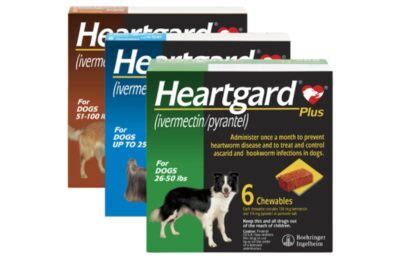
Heartworms are a type of parasitic worm that can infect dogs, causing serious health problems if left untreated. The American Heartworm Society estimates that over 1 million dogs in the United States are infected with heartworms each year. As a result, heartworm medication for dogs is a crucial aspect of canine healthcare, particularly in regions with high incidence rates of heartworm disease. In this article, we will delve into the world of heartworm medication for dogs, exploring the different types of medications available, their modes of action, and the importance of prevention and treatment.
Heartworms are transmitted to dogs through the bite of an infected mosquito, which injects the larvae of the parasite into the dog's bloodstream. The larvae then mature into adult heartworms, which can grow up to 12 inches in length and reside in the dog's heart, lungs, and surrounding blood vessels. If left untreated, heartworms can cause a range of symptoms, including coughing, fatigue, and difficulty breathing. In severe cases, heartworm disease can lead to heart failure, respiratory distress, and even death.
Key Points
- Heartworm medication is essential for preventing and treating heartworm disease in dogs.
- There are several types of heartworm medications available, including monthly preventatives, injectable medications, and oral medications.
- Prevention is key, as treating heartworm disease can be costly and potentially life-threatening.
- Monthly preventatives, such as ivermectin and milbemycin oxime, are the most common type of heartworm medication.
- Regular testing and monitoring are crucial for detecting heartworm infections and preventing the development of resistance to heartworm medications.
Types of Heartworm Medication

There are several types of heartworm medication available for dogs, each with its own unique characteristics and modes of action. Monthly preventatives, such as ivermectin and milbemycin oxime, are the most common type of heartworm medication. These medications are administered orally or topically once a month and work by killing the larvae of the heartworm parasite before they can mature into adult worms.
Injectable medications, such as melarsomine, are used to treat dogs that are already infected with adult heartworms. These medications are administered via injection and work by killing the adult worms. However, they can have serious side effects and are typically reserved for severe cases of heartworm disease.
Monthly Preventatives
Monthly preventatives are the most popular type of heartworm medication, and for good reason. They are easy to administer, relatively inexpensive, and highly effective in preventing heartworm disease. Ivermectin, for example, is a commonly used monthly preventative that works by killing the larvae of the heartworm parasite. It is available in a variety of formulations, including chewable tablets, topical solutions, and injectable solutions.
Milbemycin oxime is another popular monthly preventative that works by killing the larvae of the heartworm parasite. It is available in a chewable tablet formulation and is often used in combination with other medications to prevent other types of parasites, such as fleas and ticks.
| Medication | Mode of Action | Administration |
|---|---|---|
| Ivermectin | Kills heartworm larvae | Oral or topical |
| Milbemycin oxime | Kills heartworm larvae | Oral |
| Melarsomine | Kills adult heartworms | Injectable |
Importance of Prevention
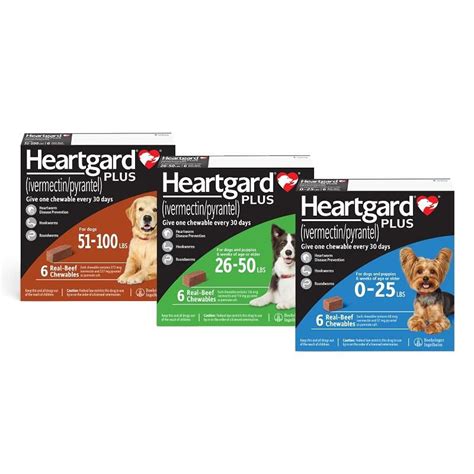
Prevention is key when it comes to heartworm disease. Treating heartworm disease can be costly and potentially life-threatening, so it’s essential to take steps to prevent it in the first place. Monthly preventatives are the most effective way to prevent heartworm disease, and they should be used in conjunction with regular testing and monitoring.
Regular testing and monitoring are crucial for detecting heartworm infections and preventing the development of resistance to heartworm medications. The American Heartworm Society recommends that dogs be tested for heartworms annually, and that dogs that are infected with heartworms be treated promptly and effectively.
Testing and Monitoring
There are several ways to test for heartworms, including blood tests and imaging studies. Blood tests can detect the presence of heartworm antibodies or antigens in the dog’s bloodstream, while imaging studies can detect the presence of adult heartworms in the dog’s heart and lungs.
Regular monitoring is also essential for preventing the development of resistance to heartworm medications. The overuse or misuse of heartworm medications can lead to the development of resistance, making it more difficult to treat heartworm disease effectively.
How often should I test my dog for heartworms?
+The American Heartworm Society recommends that dogs be tested for heartworms annually.
What is the best way to prevent heartworm disease in dogs?
+The best way to prevent heartworm disease in dogs is to use a monthly preventative, such as ivermectin or milbemycin oxime, in conjunction with regular testing and monitoring.
Can heartworm disease be treated?
+Yes, heartworm disease can be treated, but it can be costly and potentially life-threatening. Treatment typically involves the use of injectable medications, such as melarsomine, and may require hospitalization and supportive care.
In conclusion, heartworm medication for dogs is a crucial aspect of canine healthcare, particularly in regions with high incidence rates of heartworm disease. By understanding the different types of heartworm medications available, their modes of action, and the importance of prevention and treatment, dog owners can take steps to protect their pets from this potentially life-threatening condition. Remember, prevention is key, and regular testing and monitoring are essential for detecting heartworm infections and preventing the development of resistance to heartworm medications.