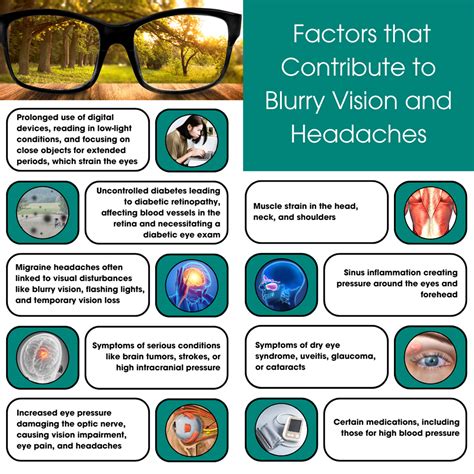
Headaches and blurred vision are two common health complaints that can be caused by a variety of factors. While they can occur independently, they can also be related, with some underlying conditions causing both symptoms to manifest simultaneously. Understanding the potential causes and interconnections between headaches and blurred vision is crucial for effective diagnosis and treatment.
Primary Causes of Headaches and Blurred Vision

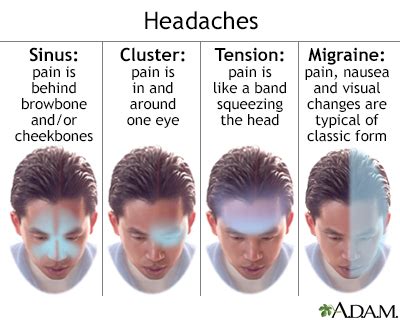
Headaches can range from mild to severe and are often described as a throbbing, piercing, or dull ache in the head. Blurred vision, on the other hand, refers to the loss of sharpness of vision, making it difficult to see objects clearly. Several primary causes can lead to both headaches and blurred vision, including migraines, tension headaches, eye strain, and sinus infections. For instance, migraines are known to cause severe headaches and can also lead to blurred vision, sensitivity to light, and nausea.
Migraines and Their Impact on Vision
Migraines are a common neurological condition characterized by intense, debilitating headaches, often accompanied by sensitivity to light, sound, and nausea. They can also cause visual disturbances, including blurred vision, double vision, and seeing flashes of light or zigzag patterns. The exact mechanisms behind migraine-related visual symptoms are not fully understood but are thought to involve changes in blood flow and neurotransmitter activity in the brain. Research suggests that people who experience migraines with aura (visual symptoms) may be at a higher risk of developing other neurological conditions.
| Condition | Symptoms | Prevalence |
|---|---|---|
| Migraine | Severe headache, blurred vision, sensitivity to light | Affects approximately 12% of the population |
| Tension Headache | Mild to moderate headache, eye strain | Affects up to 80% of the population at some point |
| Sinus Infection | Headache, facial pain, blurred vision due to sinus pressure | Affects around 31 million people in the United States each year |
Secondary Causes and Considerations
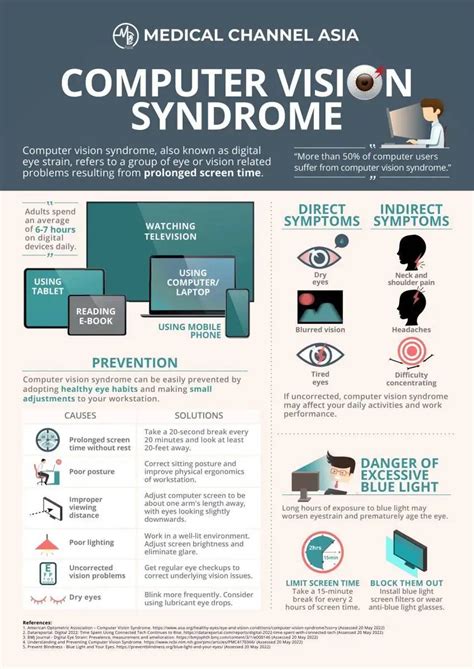
Beyond primary causes, there are secondary factors and conditions that can lead to headaches and blurred vision. These include dehydration, stress, certain medications, and underlying health conditions such as diabetes, high blood pressure, and multiple sclerosis. Dehydration, for example, can cause headaches and affect vision by altering the shape of the eye’s lens, leading to blurry vision. Similarly, stress can trigger or exacerbate both migraines and tension headaches, potentially leading to visual disturbances.
Diabetes and Its Effects on Vision
Diabetes is a chronic condition that affects how the body turns food into energy and can have significant implications for eye health. High blood sugar levels over time can damage the blood vessels in the eyes, leading to diabetic retinopathy, a condition that can cause blurred vision and potentially lead to blindness if left untreated. Regular eye exams are essential for people with diabetes to monitor their eye health and address any issues promptly.
Key Points
- Headaches and blurred vision can be symptoms of various underlying conditions, including migraines, tension headaches, and eye strain.
- Migraines are a common cause of both headaches and visual disturbances, including blurred vision.
- Diabetes can affect vision by damaging the blood vessels in the eyes, leading to conditions like diabetic retinopathy.
- Regular health check-ups, including eye exams, are crucial for early diagnosis and treatment of conditions that can cause headaches and blurred vision.
- Lifestyle factors, such as staying hydrated and managing stress, can help prevent or alleviate symptoms of headaches and blurred vision.
Treatment and Prevention Strategies
Treatment for headaches and blurred vision depends on the underlying cause. For migraines, this might include prescription medications to stop the migraine once it starts, as well as preventative medications for frequent migraines. Lifestyle changes, such as maintaining a consistent sleep schedule, eating regular meals, and avoiding triggers, can also help manage migraine symptoms. For conditions like diabetic retinopathy, treatment focuses on managing blood sugar levels and may include laser surgery or injections into the eye to reduce swelling.
Lifestyle Modifications for Symptom Management
Making certain lifestyle modifications can help individuals manage symptoms of headaches and blurred vision. This includes staying hydrated by drinking plenty of water, managing stress through techniques like meditation or deep breathing, and getting regular exercise. Additionally, maintaining a balanced diet rich in fruits, vegetables, and whole grains can help stabilize blood sugar levels and support overall health.
What are the most common causes of headaches and blurred vision?
+The most common causes include migraines, tension headaches, eye strain, and sinus infections. Underlying health conditions such as diabetes and high blood pressure can also contribute to these symptoms.
How can I prevent headaches and blurred vision?
+Prevention strategies include staying hydrated, managing stress, getting regular exercise, and maintaining a balanced diet. Regular health check-ups and eye exams can also help identify and treat underlying conditions early.
What should I do if I experience frequent or severe headaches with blurred vision?
+It's essential to consult a healthcare professional for proper diagnosis and treatment. They can help determine the underlying cause and recommend appropriate treatment options.
In conclusion, headaches and blurred vision are symptoms that can be caused by a range of factors, from migraines and eye strain to underlying health conditions like diabetes. Understanding these causes and taking proactive steps towards prevention and management can significantly improve quality of life. By staying informed and seeking medical advice when necessary, individuals can better navigate these health issues and work towards a healthier, clearer future.