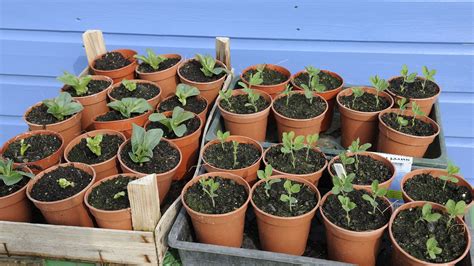
As any seasoned gardener will attest, hardening off plants is a crucial step in preparing them for the great outdoors. This process, which involves gradually exposing plants to outdoor conditions, is essential for helping them develop the resilience needed to thrive in their new environment. In this article, we will delve into the world of hardening off, exploring the reasons behind this practice and providing actionable tips for gardeners of all levels. Whether you're a novice green thumb or a seasoned horticultural expert, the following advice will help you navigate the hardening off process with confidence.
Understanding the Importance of Hardening Off
Before we dive into the nitty-gritty of hardening off, it’s essential to understand why this process is so critical. Plants that are grown indoors or in greenhouses are often pampered with ideal conditions, including consistent temperatures, high humidity, and filtered light. However, when these plants are suddenly transplanted outdoors, they can experience a phenomenon known as “transplant shock.” This shock can cause plants to become stressed, leading to a range of problems, including wilted leaves, reduced growth, and increased susceptibility to disease. By hardening off plants, gardeners can help them gradually acclimate to outdoor conditions, reducing the risk of transplant shock and setting them up for long-term success.
Key Points
- Hardening off is the process of gradually exposing plants to outdoor conditions to help them develop resilience.
- Plants that are not hardened off can experience transplant shock, leading to stress, reduced growth, and increased disease susceptibility.
- A gradual hardening off process can help reduce the risk of transplant shock and set plants up for long-term success.
- Factors to consider when hardening off include temperature, light, wind, and humidity.
- A well-planned hardening off strategy can help gardeners achieve healthy, thriving plants.
Tip 1: Start with Small Increments
When hardening off plants, it’s essential to start with small increments of outdoor exposure. Begin by moving plants to a shaded area, such as a porch or under a tree, for 1-2 hours per day. Gradually increase the duration and intensity of outdoor exposure over the course of 7-10 days. This slow and steady approach will help plants acclimate to changing conditions without becoming overwhelmed.
| Day | Outdoor Exposure |
|---|---|
| 1-2 | 1-2 hours, shaded area |
| 3-4 | 2-3 hours, partial sun |
| 5-6 | 4-5 hours, full sun |
| 7-10 | Full-day outdoor exposure |
Tip 2: Monitor Temperature Fluctuations
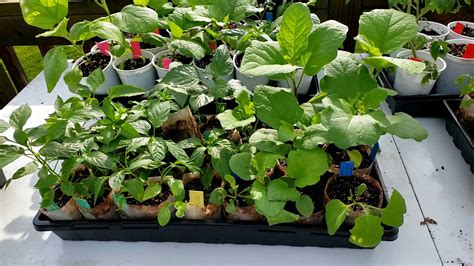
Temperature fluctuations can be a significant stressor for plants during the hardening off process. Be sure to monitor temperature changes and adjust the hardening off schedule accordingly. If possible, avoid exposing plants to extreme temperatures, such as those below 40°F (4°C) or above 80°F (27°C). Instead, opt for a gradual introduction to outdoor temperatures, starting with mild days and gradually increasing exposure to more extreme conditions.
Tip 3: Provide Wind Protection
Wind can be a significant stressor for plants, especially during the hardening off process. To provide wind protection, consider using a windbreak, such as a burlap screen or a snow fence, to shield plants from harsh winds. You can also use individual plant covers or cloches to protect plants from wind and frost.
Tip 4: Maintain Humidity Levels
Plants that are hardened off too quickly can experience a significant drop in humidity levels, leading to stress and reduced growth. To maintain humidity levels, consider using a humidifier or a tray filled with water and pebbles to increase the surrounding humidity. You can also use a cloche or a plastic bag to cover plants and maintain a humid microclimate.
Tip 5: Watch for Pests and Diseases
Finally, be sure to watch for pests and diseases during the hardening off process. Plants that are stressed or weakened during this period can be more susceptible to infestations and infections. Keep a close eye out for signs of pests or diseases, such as aphids, whiteflies, or powdery mildew, and take action promptly to address any issues that arise.
What is the purpose of hardening off plants?
+The purpose of hardening off plants is to gradually acclimate them to outdoor conditions, reducing the risk of transplant shock and setting them up for long-term success.
How long does the hardening off process typically take?
+The hardening off process typically takes 7-10 days, although this can vary depending on the specific needs of the plants and the outdoor conditions.
What are some common signs of transplant shock in plants?
+Common signs of transplant shock in plants include wilted leaves, reduced growth, and increased susceptibility to disease. Plants may also exhibit yellowing or browning of leaves, or a general decline in overall health.
By following these 5 tips for hardening off plants, gardeners can help their plants develop the resilience needed to thrive in outdoor conditions. Remember to start with small increments, monitor temperature fluctuations, provide wind protection, maintain humidity levels, and watch for pests and diseases. With a well-planned hardening off strategy, you can set your plants up for long-term success and enjoy a thriving, healthy garden.