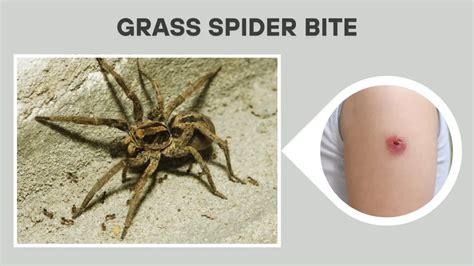
Grass spider bites, while generally not a cause for significant concern, can still lead to a range of reactions in individuals. These spiders, known for their speed and the unique sheet-like webs they spin, are often found in gardens, meadows, and backyards. Despite their fearsome appearance, grass spiders are largely harmless to humans. However, understanding how to identify and treat a grass spider bite, as well as preventing such encounters, is crucial for those who frequent areas where these spiders are common. In this article, we will delve into five key tips related to grass spider bites, focusing on identification, treatment, prevention, and what to expect if you are bitten.
Key Points
- Identification of grass spider bites through symptoms and spider characteristics
- First aid and treatment for grass spider bites
- Prevention strategies to minimize encounters with grass spiders
- Understanding the potential risks and complications associated with grass spider bites
- When to seek medical attention following a grass spider bite
Understanding Grass Spider Bites
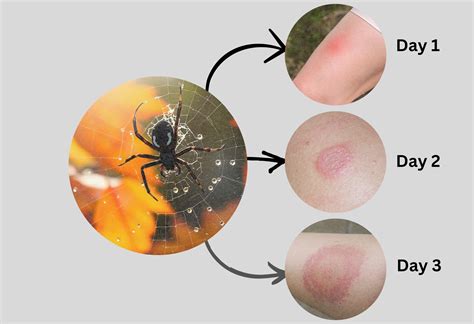
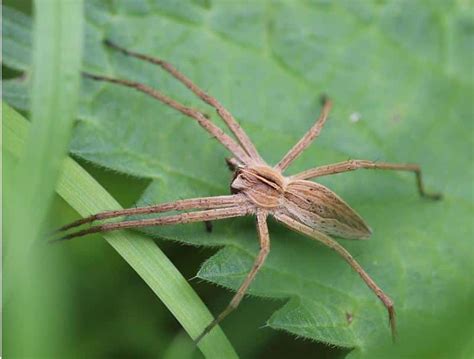
Grass spiders belong to the family Agelenidae and are recognized by their agile movements and the horizontal, sheet-like webs they construct. While they are predators that feed on insects, they are not typically aggressive towards humans unless provoked or cornered. A grass spider bite usually occurs when the spider feels threatened or when its web is disturbed, causing it to bite in self-defense.
Identification of a Grass Spider Bite
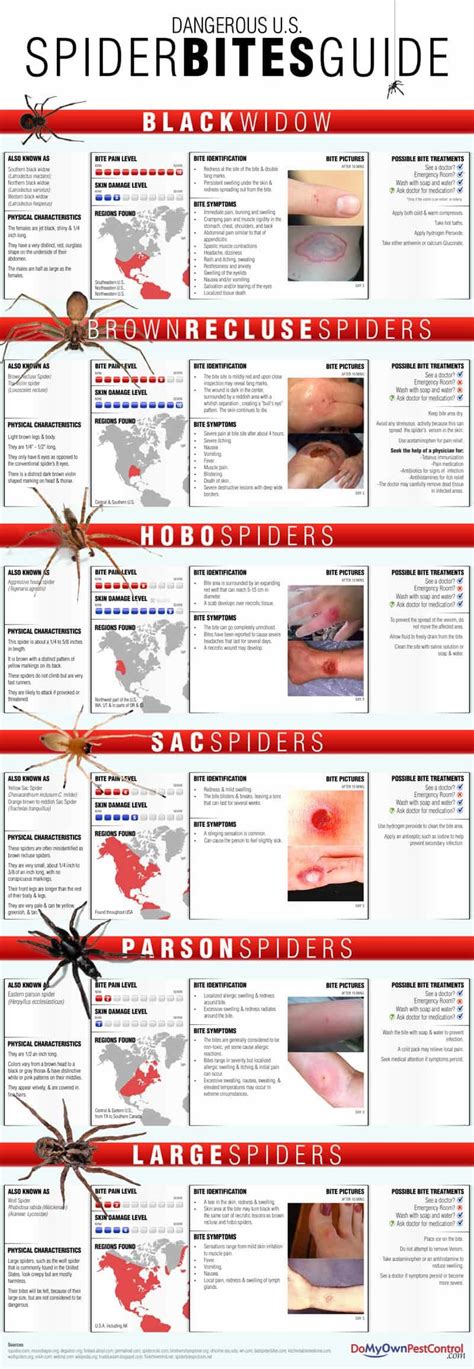
The identification of a grass spider bite can be somewhat challenging due to the similarity in symptoms with other insect bites or minor skin irritations. However, a grass spider bite often results in a small, red, and slightly painful bump. In some cases, the bite might cause minor swelling, itching, or a mild stinging sensation. The symptoms are generally mild and resolve on their own within a few days without any specific treatment.
| Symptom | Description |
|---|---|
| Redness | Mild to moderate redness around the bite area |
| Pain | Mild pain or stinging sensation at the bite site |
| Swelling | Minor swelling that may be accompanied by itching |
Treatment and First Aid
Treating a grass spider bite involves basic first aid measures aimed at relieving the symptoms and preventing infection. The steps include cleaning the bite area with soap and water to prevent infection, applying a cold compress to reduce swelling and itching, and using over-the-counter pain relievers or antihistamines if the pain or itching is bothersome. It is also advisable to monitor the bite for any signs of infection, such as increased redness, swelling, or pus, and to seek medical attention if such symptoms develop.
Prevention Strategies
Preventing encounters with grass spiders and their bites involves a combination of awareness and simple precautions. When working in gardens or areas where grass spiders are common, wearing long sleeves, long pants, and gloves can reduce the risk of bites. Additionally, avoiding reaching into dark or hidden areas where spiders might be present and wearing insect repellent can further minimize the chance of a bite.
Seeking Medical Attention
While grass spider bites are generally harmless, there are situations where seeking medical attention is advisable. If the bite area becomes severely swollen, red, or infected, or if you experience systemic symptoms such as fever, nausea, or severe pain, you should consult a healthcare professional. Moreover, individuals with pre-existing medical conditions or compromised immune systems should also seek medical evaluation if bitten by a spider, as their risk of complications may be higher.
Are grass spider bites dangerous?
+No, grass spider bites are generally not dangerous and do not cause significant harm to humans. The symptoms are usually mild and resolve on their own.
How can I prevent grass spider bites?
+Prevention involves wearing protective clothing when in areas where grass spiders are common, avoiding reaching into hidden areas, and using insect repellent.
When should I seek medical attention for a grass spider bite?
+Seek medical attention if you experience severe symptoms, signs of infection, or if you have a pre-existing medical condition that may increase your risk of complications.
In conclusion, while grass spider bites are not typically a cause for concern, understanding how to identify, treat, and prevent them is important for anyone who spends time outdoors. By following the tips outlined in this article and being mindful of one’s surroundings, individuals can minimize their risk of encountering grass spiders and reduce the likelihood of a bite. For most people, a grass spider bite will be a minor incident with no long-lasting effects, but being prepared and knowing when to seek medical help can provide peace of mind and ensure prompt treatment if complications arise.