
The gracilis muscle, one of the adductor muscles of the thigh, plays a crucial role in hip adduction and knee flexion. Stretching this muscle is essential for maintaining flexibility, preventing injuries, and improving overall lower limb function. The gracilis muscle originates from the pubic bone and inserts into the tibia, working in conjunction with other adductor muscles to stabilize the hip and facilitate movement. Understanding the anatomy and function of the gracilis muscle is vital for developing effective stretching techniques.
Anatomy and Function of the Gracilis Muscle
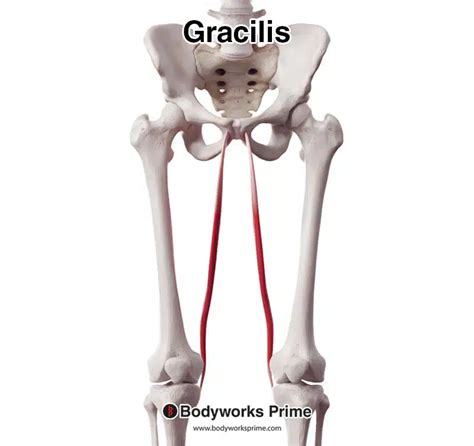
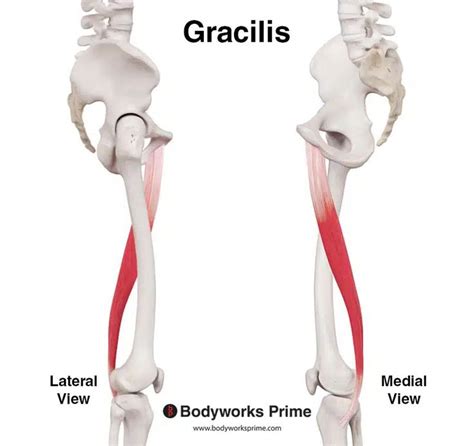
The gracilis muscle is the most superficial of the adductor group, located on the medial aspect of the thigh. It is a long, thin muscle that spans from the pubic symphysis to the pes anserinus, where it converges with the sartorius and semitendinosus tendons to insert into the tibia. The primary actions of the gracilis muscle include hip adduction, bringing the thigh towards the midline of the body, and knee flexion, bending the knee. Additionally, it assists in tibial rotation and stabilization of the knee joint. The unique anatomy of the gracilis muscle makes it susceptible to strain and tightness, particularly in athletes participating in sports that involve rapid changes of direction and kicking movements.
Importance of Stretching the Gracilis Muscle
Stretching the gracilis muscle is crucial for maintaining optimal muscle length and preventing injuries. Tightness in the gracilis muscle can lead to a range of issues, including medial knee pain, hip instability, and reduced athletic performance. Regular stretching can help to improve flexibility, enhance muscle balance, and reduce the risk of muscle strains. Furthermore, stretching the gracilis muscle can improve overall lower limb function, enabling more efficient and effective movement patterns. This is particularly important for individuals who engage in activities that involve running, jumping, or quick changes of direction.
| Muscle Action | Stretching Benefit |
|---|---|
| Hip Adduction | Improved flexibility and reduced risk of hip injuries |
| Knee Flexion | Enhanced knee mobility and decreased risk of knee strains |
| Tibial Rotation | Increased ankle stability and reduced risk of ankle sprains |
Key Points
- The gracilis muscle plays a crucial role in hip adduction and knee flexion, making it essential for maintaining flexibility and preventing injuries.
- Stretching the gracilis muscle can improve overall lower limb function, enabling more efficient and effective movement patterns.
- Tightness in the gracilis muscle can lead to a range of issues, including medial knee pain, hip instability, and reduced athletic performance.
- Regular stretching can help to improve flexibility, enhance muscle balance, and reduce the risk of muscle strains.
- A well-rounded stretching program should include exercises that target the adductor group and surrounding muscles to maintain muscle balance and prevent injuries.
Stretching Techniques for the Gracilis Muscle
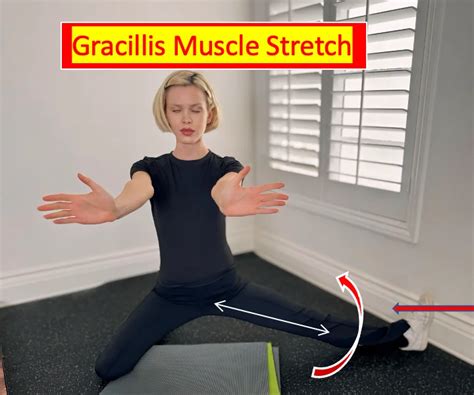
There are several stretching techniques that can be used to target the gracilis muscle, including static stretches, dynamic stretches, and foam rolling. Static stretches involve holding a stretch for a prolonged period, typically 15-30 seconds, to lengthen the muscle. Dynamic stretches, on the other hand, involve moving the joint through a range of motion while keeping the muscle active. Foam rolling can be used to release tension in the muscle and improve circulation. It’s essential to choose stretches that are tailored to individual needs and goals, taking into account factors such as flexibility level, injury history, and athletic requirements.
Static Stretching for the Gracilis Muscle
Static stretching is an effective way to lengthen the gracilis muscle and improve flexibility. To perform a static stretch, stand with your feet shoulder-width apart and cross one foot over the other, keeping your ankle straight. Slowly lower your body down into a lunge position, keeping your back knee almost touching the ground. Hold this position for 15-30 seconds and then switch sides. This stretch targets the gracilis muscle, as well as other adductor muscles, and can help to improve hip and knee mobility.
Another effective static stretch for the gracilis muscle involves lying on your back with your legs straight up towards the ceiling. Slowly lower one leg down towards the floor, keeping your knee straight, and hold for 15-30 seconds. This stretch targets the gracilis muscle, as well as other hip flexor muscles, and can help to improve flexibility and reduce tension.
| Stretching Technique | Muscle Targeted | Stretching Benefit |
|---|---|---|
| Static Stretching | Gracilis Muscle | Improved flexibility and reduced risk of muscle strains |
| Dynamic Stretching | Adductor Group | Enhanced muscle activation and improved athletic performance |
| Foam Rolling | Gracilis Muscle | Reduced muscle tension and improved circulation |
What are the benefits of stretching the gracilis muscle?
+Stretching the gracilis muscle can improve flexibility, reduce the risk of muscle strains, and enhance overall lower limb function. It can also help to improve athletic performance, reduce the risk of injuries, and promote optimal muscle balance.
How often should I stretch the gracilis muscle?
+What are some common mistakes to avoid when stretching the gracilis muscle?
+Common mistakes to avoid when stretching the gracilis muscle include bouncing or forcing the stretch, which can cause injury or strain. It's also essential to avoid stretching cold muscles, as this can reduce the effectiveness of the stretch and increase the risk of injury. Instead, warm up before stretching, and focus on slow, controlled movements to get the most out of your stretching routine.
In conclusion, stretching the gracilis muscle is essential for maintaining flexibility, preventing injuries, and improving overall lower limb function. By incorporating a variety of stretching techniques into your routine, including static stretches, dynamic stretches, and foam rolling, you can improve athletic performance, reduce the risk of injuries, and promote optimal muscle balance. Remember to listen to your body, adjust your stretching program accordingly, and consult with a healthcare professional or physical therapist to develop a personalized stretching program tailored to your individual needs and goals.


