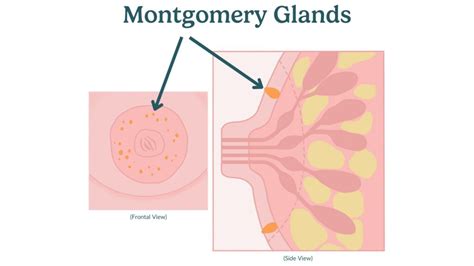
The Glands of Montgomery, also known as Montgomery's tubercles, are small, raised bumps that appear on the areola, the darker skin surrounding the nipple, during pregnancy and breastfeeding. These glands are a normal and harmless part of the breast anatomy, but they can be a source of confusion and concern for many women. In this article, we will explore the function, appearance, and significance of the Glands of Montgomery, as well as their relationship to breastfeeding and breast health.
Key Points
- The Glands of Montgomery are small, raised bumps on the areola that appear during pregnancy and breastfeeding.
- They produce a lubricating secretion that helps to keep the nipple and areola moist and protected.
- The glands are a normal and harmless part of the breast anatomy.
- They can be a sign of breast health and readiness for breastfeeding.
- Women with larger or more prominent Glands of Montgomery may experience more intense nipple sensitivity during breastfeeding.
Function and Appearance of the Glands of Montgomery
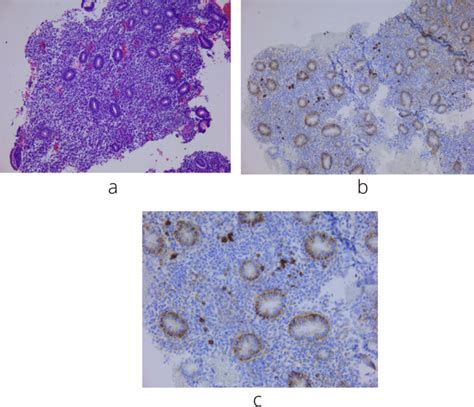
The Glands of Montgomery are small, sebaceous glands that are located on the areola, the darker skin surrounding the nipple. They are usually not visible until pregnancy, when they become more prominent and may appear as small, raised bumps on the areola. The glands produce a lubricating secretion that helps to keep the nipple and areola moist and protected during breastfeeding. This secretion also helps to create a barrier against infection and promotes healing of any cracks or abrasions on the nipple.
Relationship to Breastfeeding
The Glands of Montgomery play an important role in breastfeeding, as they help to create a moist and protected environment for the nipple and areola. The lubricating secretion produced by the glands helps to reduce friction and discomfort during breastfeeding, making it easier for the baby to latch on and nurse. Women with larger or more prominent Glands of Montgomery may experience more intense nipple sensitivity during breastfeeding, but this is usually temporary and subsides as the breasts adjust to the frequent nursing.
| Characteristic | Description |
|---|---|
| Appearance | Small, raised bumps on the areola |
| Function | Produce lubricating secretion to keep nipple and areola moist and protected |
| Relationship to breastfeeding | Help create a moist and protected environment for the nipple and areola |
Significance of the Glands of Montgomery
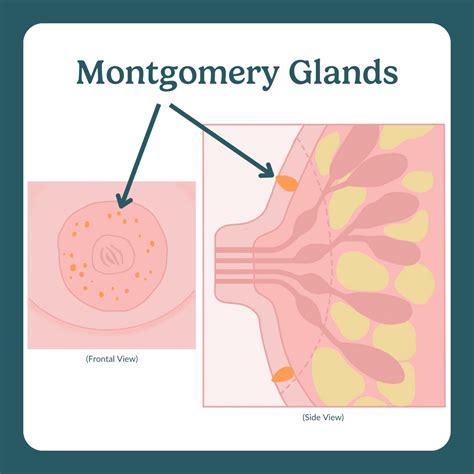
The Glands of Montgomery are a significant indicator of breast health and readiness for breastfeeding. Women who have larger or more prominent Glands of Montgomery may be more likely to experience a smooth and successful breastfeeding experience. Additionally, the presence of these glands can be a sign of hormonal changes during pregnancy, which can help healthcare providers to assess fetal development and overall breast health.
Potential Concerns and Complications
While the Glands of Montgomery are generally harmless, there are some potential concerns and complications that women should be aware of. For example, women with larger or more prominent Glands of Montgomery may experience more intense nipple sensitivity during breastfeeding, which can be uncomfortable and even painful. Additionally, women with certain breast conditions, such as breast cancer or mastitis, may experience changes in the appearance or function of the Glands of Montgomery.
What are the Glands of Montgomery, and what is their function?
+The Glands of Montgomery are small, sebaceous glands located on the areola that produce a lubricating secretion to keep the nipple and areola moist and protected during breastfeeding.
Are the Glands of Montgomery a sign of breast health?
+Yes, the presence of the Glands of Montgomery can be a sign of breast health and readiness for breastfeeding. Women with larger or more prominent Glands of Montgomery may be more likely to experience a smooth and successful breastfeeding experience.
Can the Glands of Montgomery be a cause for concern?
+While the Glands of Montgomery are generally harmless, women with larger or more prominent Glands of Montgomery may experience more intense nipple sensitivity during breastfeeding. Additionally, women with certain breast conditions may experience changes in the appearance or function of the Glands of Montgomery.
In conclusion, the Glands of Montgomery are a normal and harmless part of the breast anatomy that play an important role in breastfeeding. While they can be a source of concern, it’s essential to remember that these glands are a sign of breast health and readiness for breastfeeding. By understanding the function, appearance, and significance of the Glands of Montgomery, women can better navigate the challenges and joys of breastfeeding, and healthcare providers can provide more effective support and guidance.