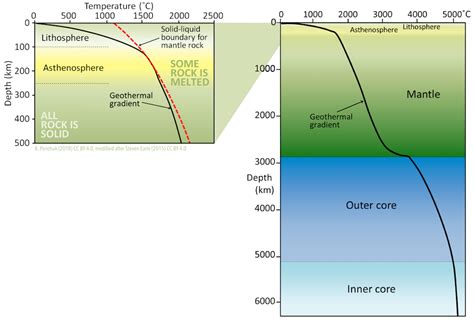
The geothermal gradient, a fundamental concept in geophysics, refers to the rate of temperature increase with depth in the Earth's crust. This gradient is crucial for understanding various geological processes, including the formation of economic mineral deposits, the distribution of geothermal resources, and the Earth's thermal evolution. The geothermal gradient varies significantly across different regions, influenced by factors such as tectonic setting, crustal thickness, and the presence of groundwater. For instance, areas with high volcanic activity tend to have steeper geothermal gradients due to the movement of magma and heat from the Earth's mantle.
Understanding the geothermal gradient is also essential for geothermal energy exploration, as it helps in identifying potential areas for the development of geothermal power plants. The principle behind geothermal energy is to harness the heat from the Earth's interior, either from hot water or steam reservoirs, to generate electricity. The efficiency of geothermal systems is directly related to the geothermal gradient; higher gradients indicate more significant heat flow and, consequently, more potential for geothermal energy production. However, the exploitation of geothermal resources must be carefully managed to avoid depleting the reservoirs and to minimize environmental impacts.
Key Points
- The geothermal gradient is the rate of temperature increase with depth in the Earth's crust, averaging about 25-30°C/km but varying significantly by location.
- This gradient is influenced by tectonic activity, crustal thickness, and the presence of groundwater, making some areas more suitable for geothermal energy production.
- Geothermal energy is a renewable resource that harnesses heat from the Earth's interior to generate electricity, offering a cleaner alternative to fossil fuels.
- The exploration and development of geothermal resources require a comprehensive understanding of the local geothermal gradient and its implications for reservoir sustainability.
- Advanced technologies, including enhanced geothermal systems (EGS), are being developed to expand geothermal energy production into areas with less favorable geothermal gradients.
Factors Influencing the Geothermal Gradient
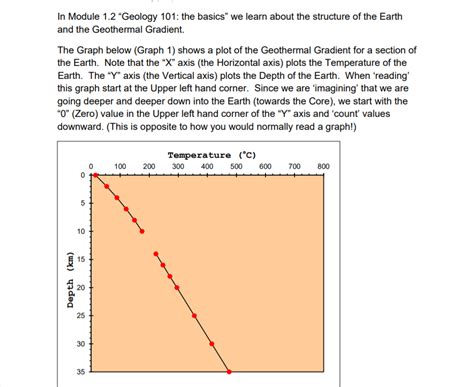
The geothermal gradient is not uniform across the Earth’s surface. Several factors contribute to its variability, including the tectonic setting, the age and thickness of the crust, and the presence of groundwater or other fluids that can affect heat transfer. In tectonically active regions, such as mid-ocean ridges or areas of recent volcanic activity, the geothermal gradient is typically steeper due to the direct input of heat from the Earth’s mantle. Conversely, in older, stable continental crust, the gradient is usually shallower, reflecting a more gradual heat flow from the deeper Earth.
Tectonic Setting and Crustal Age
The tectonic setting and the age of the crust play significant roles in determining the local geothermal gradient. Young, tectonically active areas, such as those around plate boundaries, exhibit higher heat flow and, therefore, a steeper geothermal gradient. This is because these regions are characterized by the movement of the Earth’s crust, which brings hotter material from the mantle closer to the surface. In contrast, older, stable regions, like the cratons, have a more subdued geothermal gradient due to their thicker, colder crust and the lack of recent tectonic activity.
| Region Type | Geothermal Gradient (°C/km) |
|---|---|
| Tectonically Active | 40-60 |
| Stable Continental Crust | 20-30 |
| Oceanic Crust | 50-100 |
Applications of Geothermal Gradient Knowledge
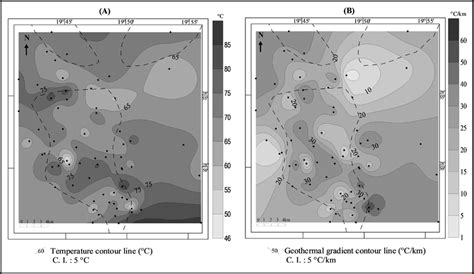
Understanding the geothermal gradient has numerous practical applications, ranging from the exploration and exploitation of geothermal energy resources to the search for economic mineral deposits. In geothermal energy production, knowing the local geothermal gradient is crucial for identifying prospective areas, designing efficient systems, and predicting the long-term sustainability of geothermal reservoirs. Additionally, the geothermal gradient plays a role in the formation of certain types of mineral deposits, particularly those associated with hydrothermal activity, such as copper, gold, and silver deposits.
Geothermal Energy Production
Geothermal energy production is one of the most direct applications of geothermal gradient knowledge. By identifying areas with high geothermal gradients, developers can focus on regions with the potential for significant geothermal resource exploitation. The efficiency and longevity of geothermal power plants depend on the heat flow from the Earth, which is directly related to the geothermal gradient. Thus, accurate mapping and understanding of the geothermal gradient are essential for the successful development of geothermal energy projects.
Furthermore, advancements in technology, such as enhanced geothermal systems (EGS), aim to increase the viability of geothermal energy production in areas with less favorable geothermal gradients. EGS involves creating artificial reservoirs by fracturing hot rock formations, allowing for the circulation of fluids to extract heat. This approach has the potential to significantly expand the geographic range of geothermal energy production, making it a more widespread and reliable source of renewable energy.
What is the average geothermal gradient, and how does it vary?
+The average geothermal gradient is approximately 25-30°C/km, but it can vary significantly depending on the location, ranging from about 20°C/km in stable continental crust to over 100°C/km in areas of high volcanic activity.
How is the geothermal gradient used in geothermal energy production?
+The geothermal gradient is used to identify areas with high heat flow, which are more suitable for geothermal energy production. It helps in designing efficient geothermal systems and predicting the sustainability of geothermal reservoirs.
What are enhanced geothermal systems (EGS), and how do they relate to the geothermal gradient?
+Enhanced geothermal systems (EGS) involve creating artificial reservoirs in hot rock formations to increase the viability of geothermal energy production in areas with less favorable geothermal gradients. This technology aims to expand geothermal energy production into regions that were previously considered unsuitable due to low heat flow.
In conclusion, the geothermal gradient is a critical parameter in understanding the Earth’s thermal structure and has significant implications for various geological and geophysical applications. Its variability across different regions highlights the importance of detailed, location-specific studies for the successful development of geothermal energy projects and the exploration of economic mineral deposits. As the world continues to seek cleaner and more sustainable energy sources, the role of geothermal energy, facilitated by a deeper understanding of the geothermal gradient, will become increasingly important.