Georgia, like many other states in the United States, is vulnerable to a wide range of natural disasters, including hurricanes, tornadoes, floods, and wildfires. The state's emergency management system is designed to prepare for, respond to, and recover from these disasters. At the forefront of this system is the Georgia Emergency Management Agency (GEMA), which works closely with local, state, and federal partners to ensure the safety and well-being of Georgia's citizens.
The Georgia Emergency Management Agency is responsible for coordinating the state's emergency management efforts, including planning, training, and exercises. GEMA also provides support to local governments and emergency management agencies, helping them to develop and implement their own emergency management plans. In addition, the agency works with other state agencies, such as the Georgia Department of Public Health and the Georgia Department of Transportation, to ensure a coordinated response to emergencies.
Emergency Management Structure in Georgia
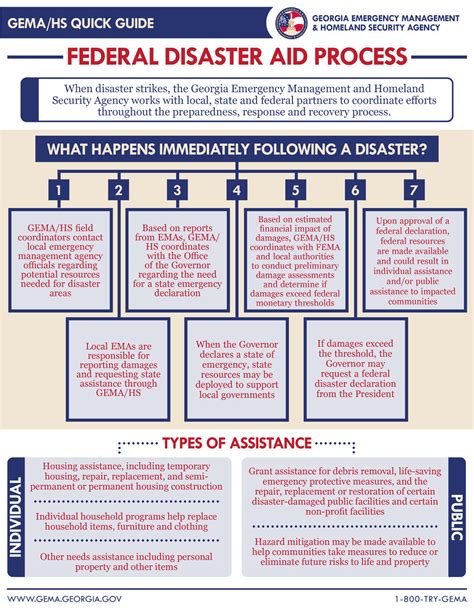
Georgia’s emergency management structure is based on the Incident Command System (ICS), which provides a framework for managing emergency incidents. The ICS is a standardized management structure that allows different agencies and organizations to work together seamlessly. In Georgia, the ICS is used at the local, state, and federal levels to manage emergency incidents.
The Georgia Emergency Management Agency is headed by a director, who is appointed by the governor. The director is responsible for overseeing the agency's operations and ensuring that the state is prepared to respond to emergencies. The agency is divided into several sections, each with its own specific responsibilities. These sections include planning, operations, logistics, and finance.
Emergency Management Planning in Georgia
Emergency management planning is a critical component of Georgia’s emergency management system. The state has developed a comprehensive emergency management plan, which outlines the roles and responsibilities of different agencies and organizations during an emergency. The plan also identifies the resources and capabilities that are available to support emergency response and recovery efforts.
The Georgia Emergency Management Agency works closely with local governments and emergency management agencies to develop and implement emergency management plans. These plans are tailored to the specific needs and hazards of each community, and they are regularly updated and exercised to ensure that they are effective.
| Emergency Management Plan Components | Description |
|---|---|
| Emergency Operations Plan | Outlines the roles and responsibilities of different agencies and organizations during an emergency |
| Hazard Mitigation Plan | Identifies the hazards and risks that face the community and outlines strategies for mitigating them |
| Emergency Response Plan | Outlines the procedures for responding to emergencies, including search and rescue, firefighting, and medical response |
| Recovery Plan | Outlines the procedures for recovering from an emergency, including debris removal, infrastructure repair, and economic recovery |
Key Points
- Georgia's emergency management system is designed to prepare for, respond to, and recover from natural disasters and other emergencies
- The Georgia Emergency Management Agency is responsible for coordinating the state's emergency management efforts
- Emergency management planning is a critical component of Georgia's emergency management system
- The state has developed a comprehensive emergency management plan, which outlines the roles and responsibilities of different agencies and organizations during an emergency
- Local governments and emergency management agencies work closely with the Georgia Emergency Management Agency to develop and implement emergency management plans
Emergency Response in Georgia
When an emergency occurs in Georgia, the state’s emergency management system is activated. The Georgia Emergency Management Agency works closely with local, state, and federal partners to respond to the emergency and to provide support to affected communities.
The state's emergency response efforts are coordinated through the State Operations Center, which is located in Atlanta. The State Operations Center is staffed by representatives from different state agencies, including the Georgia Emergency Management Agency, the Georgia Department of Public Health, and the Georgia Department of Transportation.
Emergency Response Capabilities in Georgia
Georgia has a range of emergency response capabilities, including search and rescue teams, firefighting teams, and medical response teams. The state also has a number of emergency response assets, including helicopters, boats, and emergency vehicles.
The Georgia Emergency Management Agency works closely with local governments and emergency management agencies to develop and implement emergency response plans. These plans are tailored to the specific needs and hazards of each community, and they are regularly updated and exercised to ensure that they are effective.
| Emergency Response Capabilities | Description |
|---|---|
| Search and Rescue Teams | Trained teams that can respond to emergencies and conduct search and rescue operations |
| Firefighting Teams | Trained teams that can respond to fires and conduct firefighting operations |
| Medical Response Teams | Trained teams that can respond to medical emergencies and provide medical care |
| Emergency Vehicles | Vehicles that are equipped to respond to emergencies, including ambulances, fire trucks, and police cars |
What is the role of the Georgia Emergency Management Agency in emergency response?
+The Georgia Emergency Management Agency is responsible for coordinating the state’s emergency management efforts, including planning, training, and exercises. The agency works closely with local, state, and federal partners to respond to emergencies and to provide support to affected communities.
What are the different types of emergency response capabilities in Georgia?
+Georgia has a range of emergency response capabilities, including search and rescue teams, firefighting teams, and medical response teams. The state also has a number of emergency response assets, including helicopters, boats, and emergency vehicles.
How does the Georgia Emergency Management Agency work with local governments and emergency management agencies?
+The Georgia Emergency Management Agency works closely with local governments and emergency management agencies to develop and implement emergency management plans. The agency also provides support to local governments and emergency management agencies during emergencies, including training, exercises, and resource allocation.