The conversion between gallons (gal) and cubic meters (m3) is a fundamental process in various fields, including engineering, chemistry, and environmental science. Understanding the relationship between these two units of measurement is crucial for accurate calculations and data analysis. In this article, we will delve into the world of unit conversions, exploring the concepts, formulas, and practical applications of converting gallons to cubic meters.
Key Points
- The conversion factor between gallons and cubic meters is approximately 0.00378541 m3/gal.
- To convert gallons to cubic meters, multiply the volume in gallons by the conversion factor.
- Cubic meters are part of the International System of Units (SI), while gallons are primarily used in the United States and a few other countries.
- Accurate conversions are essential in various industries, including oil and gas, water treatment, and chemical engineering.
- Online conversion tools and calculators can facilitate the conversion process, but understanding the underlying principles is vital for precise calculations.
Understanding the Conversion Factor
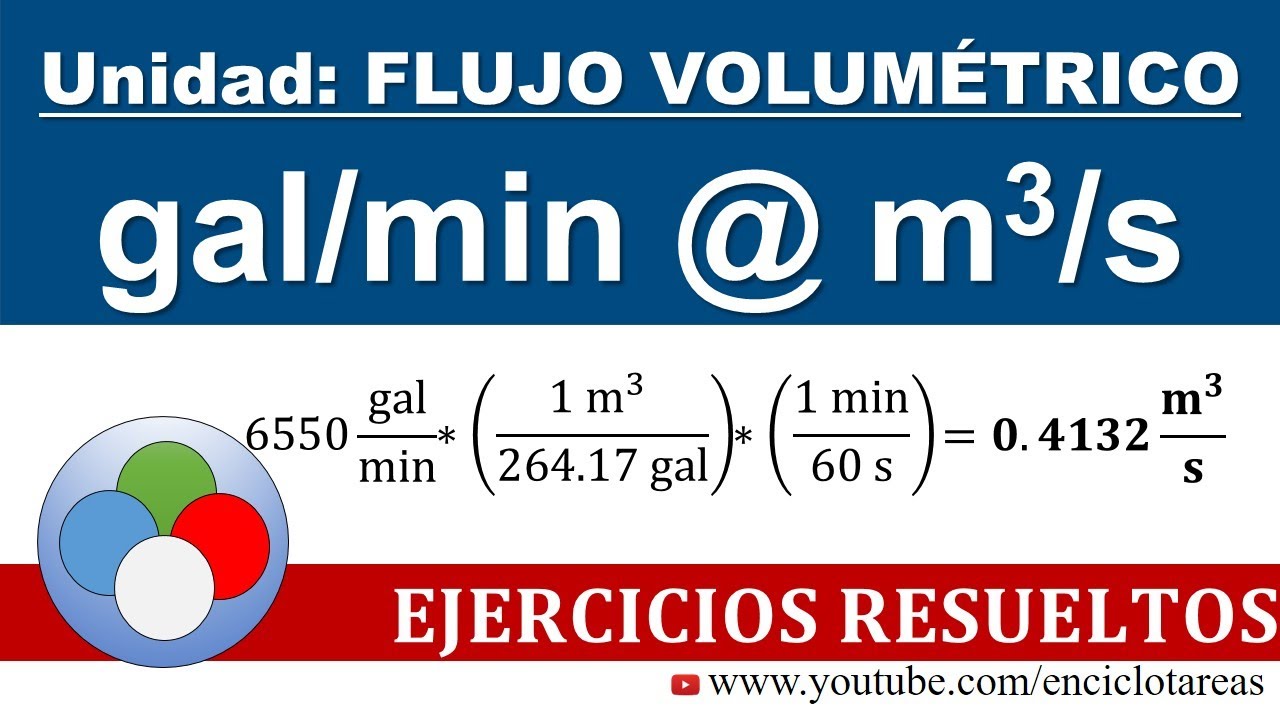
The conversion factor between gallons and cubic meters is a critical component of the conversion process. One gallon is equivalent to approximately 0.00378541 cubic meters. This conversion factor can be used to convert volumes from gallons to cubic meters by simply multiplying the volume in gallons by the conversion factor. For example, to convert 100 gallons to cubic meters, you would multiply 100 by 0.00378541, resulting in approximately 0.378541 cubic meters.
Practical Applications of Gal to m3 Conversion
The conversion between gallons and cubic meters has numerous practical applications in various industries. In the oil and gas sector, accurate conversions are essential for calculating the volume of crude oil or petroleum products. In water treatment, converting gallons to cubic meters is crucial for determining the volume of water being treated or processed. Additionally, in chemical engineering, conversions between gallons and cubic meters are necessary for calculating the volume of chemicals or reactants involved in a reaction.
| Unit | Conversion Factor |
|---|---|
| 1 gallon (gal) | approximately 0.00378541 cubic meters (m3) |
| 1 cubic meter (m3) | approximately 264.172 gallons (gal) |

Real-World Examples of Gal to m3 Conversion
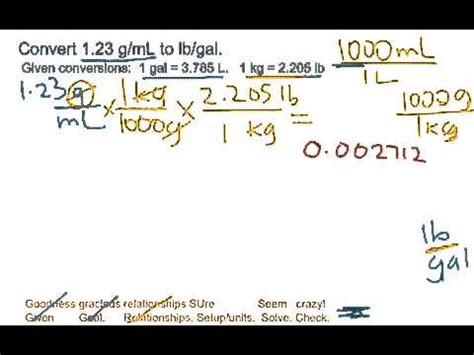
In the real world, the conversion between gallons and cubic meters is often encountered in various scenarios. For instance, a water treatment plant may need to convert the volume of water being treated from gallons to cubic meters to ensure accurate calculations and compliance with regulatory requirements. Similarly, a chemical engineer may need to convert the volume of a reactant from gallons to cubic meters to determine the optimal reaction conditions. By understanding the conversion factor and applying it correctly, professionals can ensure accurate conversions and precise calculations.
Common Challenges in Gal to m3 Conversion
Despite the simplicity of the conversion factor, there are common challenges that can arise during the conversion process. One of the primary challenges is ensuring accuracy and precision, particularly when dealing with large volumes or complex calculations. Additionally, the use of incorrect conversion factors or rounding errors can lead to significant discrepancies in the results. To overcome these challenges, it is essential to use reliable conversion tools, double-check calculations, and ensure that the conversion factor is applied correctly.
What is the conversion factor between gallons and cubic meters?
+The conversion factor between gallons and cubic meters is approximately 0.00378541 m3/gal.
Why is it essential to use accurate conversion factors?
+Accurate conversion factors are crucial for ensuring precise calculations and data analysis, ultimately leading to informed decision-making and optimized processes.
What are some common challenges in gal to m3 conversion?
+Common challenges include ensuring accuracy and precision, using incorrect conversion factors, and rounding errors, which can lead to significant discrepancies in the results.
In conclusion, the conversion between gallons and cubic meters is a fundamental process that requires a thorough understanding of the underlying principles and conversion factors. By mastering the conversion factor and applying it correctly, professionals can ensure accurate conversions and precise calculations, ultimately leading to informed decision-making and optimized processes. Whether you are working in the oil and gas sector, water treatment, or chemical engineering, understanding the conversion between gallons and cubic meters is essential for success.