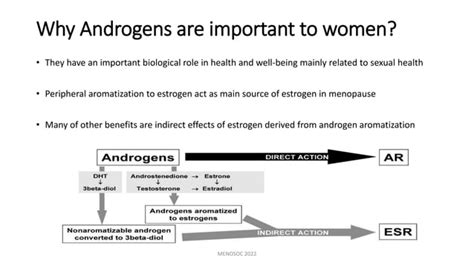
Testosterone is often regarded as a male hormone, but it plays a crucial role in women's health as well. In women, testosterone is produced in smaller quantities by the ovaries and adrenal glands. Free testosterone levels in women are a vital aspect of hormonal balance, influencing various physiological processes, including libido, bone density, and overall well-being. The importance of maintaining optimal free testosterone levels in women cannot be overstated, as imbalances can lead to a range of symptoms and health issues.
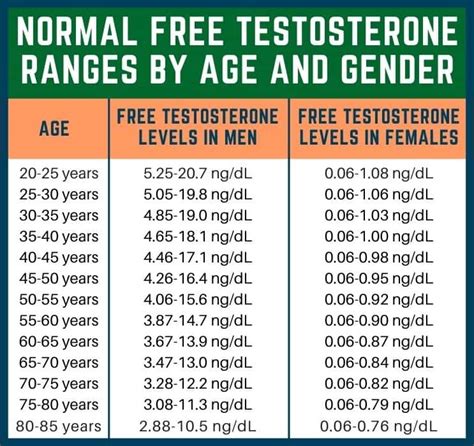
Free testosterone refers to the fraction of testosterone that is not bound to proteins in the blood, such as sex hormone-binding globulin (SHBG) or albumin. This unbound testosterone is biologically active and can enter cells, exerting its effects on the body. In women, the normal range for free testosterone is typically very low, around 0.8-10 pg/mL, although this can vary slightly depending on the laboratory and the individual's health status. Measuring free testosterone levels is crucial for diagnosing and treating conditions related to hormonal imbalances in women.
Key Points
- Testosterone in women is essential for libido, bone density, and overall health.
- Free testosterone levels in women are typically very low, ranging from 0.8-10 pg/mL.
- Imbalances in free testosterone can lead to symptoms such as decreased libido, fatigue, and osteoporosis.
- Conditions like polycystic ovary syndrome (PCOS) and adrenal hyperplasia can affect free testosterone levels.
- Measuring free testosterone is crucial for diagnosing and treating hormonal imbalances in women.
Role of Free Testosterone in Women’s Health
Free testosterone plays a significant role in women’s health, affecting sexual function, bone health, and energy levels. Low levels of free testosterone have been associated with decreased libido, which can impact a woman’s quality of life and relationships. Furthermore, testosterone helps maintain bone density, reducing the risk of osteoporosis and fractures. The balance of free testosterone is also important for overall energy and well-being, with deficiencies potentially leading to fatigue and decreased physical performance.
Factors Influencing Free Testosterone Levels
Several factors can influence free testosterone levels in women, including age, weight, and certain medical conditions. As women age, their levels of free testosterone naturally decline, which can contribute to menopausal symptoms such as decreased libido and energy. Obesity is also linked to lower levels of free testosterone, as excess body fat can lead to insulin resistance and increased production of SHBG, binding more testosterone and reducing its free fraction. Conditions like polycystic ovary syndrome (PCOS) and adrenal hyperplasia can disrupt the normal production of hormones, including testosterone, leading to imbalances in free testosterone levels.
| Condition | Effect on Free Testosterone |
|---|---|
| Polycystic Ovary Syndrome (PCOS) | Often associated with elevated levels of free testosterone |
| Adrenal Hyperplasia | Can lead to increased production of androgens, including testosterone |
| Menopause | Natural decline in free testosterone levels |
| Obesity | Associated with decreased levels of free testosterone due to increased SHBG |
Diagnosis and Treatment of Free Testosterone Imbalances
Diagnosing imbalances in free testosterone levels involves a combination of clinical evaluation, medical history, and laboratory tests. Symptoms such as decreased libido, fatigue, and changes in menstrual cycles can indicate a hormonal imbalance. Laboratory tests, including measurements of free testosterone, SHBG, and other hormones, help confirm the diagnosis. Treatment strategies vary depending on the underlying cause of the imbalance but may include hormone replacement therapy (HRT), medications to regulate hormonal production, and lifestyle modifications such as weight loss and exercise.
Importance of Lifestyle Modifications
Lifestyle modifications play a critical role in managing free testosterone levels and overall hormonal balance. Maintaining a healthy weight through diet and exercise can help regulate hormonal production and improve symptoms associated with imbalances. Stress management techniques, such as yoga or meditation, can also positively impact hormonal health by reducing cortisol levels, which can interfere with the production of other hormones, including testosterone.
What are the common symptoms of low free testosterone in women?
+Common symptoms include decreased libido, fatigue, decreased muscle mass, and osteoporosis. These symptoms can significantly impact a woman's quality of life and should be evaluated by a healthcare provider.
How is free testosterone measured in women?
+Free testosterone is measured through blood tests that assess the levels of unbound testosterone in the blood. These tests are usually part of a broader hormonal panel to evaluate overall hormonal balance.
Can lifestyle changes help improve free testosterone levels?
+In conclusion, free testosterone levels play a vital role in women’s health, influencing libido, bone density, and overall well-being. Understanding the factors that influence free testosterone and recognizing the symptoms of imbalances are crucial for early diagnosis and effective treatment. By combining medical interventions with lifestyle modifications, women can manage hormonal imbalances and improve their quality of life. As research continues to uncover the complex interplay of hormones in women’s health, the importance of free testosterone will only continue to grow, highlighting the need for personalized and comprehensive care approaches.