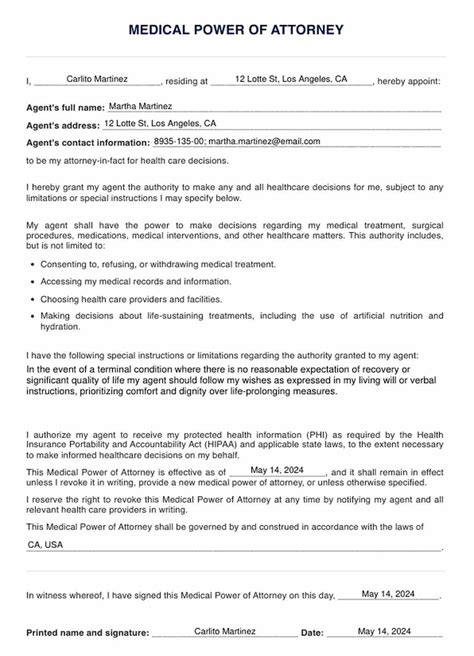
A Medical Power of Attorney (MPOA) is a crucial document that allows an individual to appoint another person, known as the agent or attorney-in-fact, to make medical decisions on their behalf in the event they become incapacitated or unable to communicate their own wishes. This document is essential for ensuring that one's healthcare preferences are respected and carried out, even when they cannot express themselves.
Understanding the Medical Power of Attorney
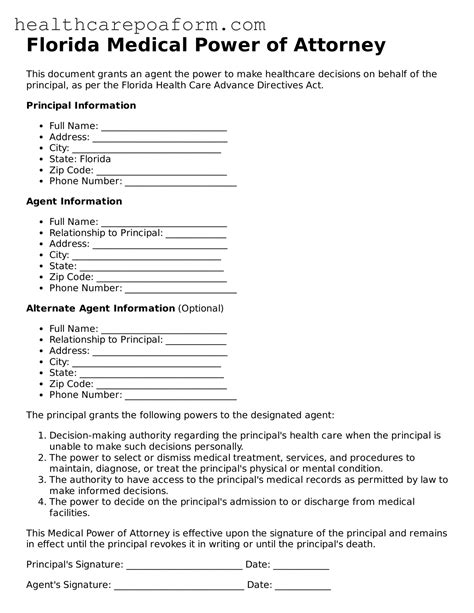
The MPOA is a type of advance directive, a legal document that outlines an individual’s wishes regarding their medical treatment in the event they become unable to make decisions for themselves. It is designed to ensure that the appointed agent can make informed decisions that align with the individual’s values, beliefs, and medical preferences. The MPOA typically includes provisions for the agent to make decisions regarding medical treatment, including the ability to consent to or refuse treatment, access medical records, and communicate with healthcare providers.
Key Components of a Medical Power of Attorney Form
A standard MPOA form typically includes the following key components:
- Introduction and Purpose: A statement introducing the document and its purpose, which is to appoint an agent to make medical decisions on behalf of the individual.
- Appointment of Agent: The section where the individual appoints their chosen agent, including the agent’s name, address, and contact information.
- Agent’s Powers and Responsibilities: An outline of the agent’s powers, including the ability to make medical decisions, access medical records, and communicate with healthcare providers.
- Healthcare Preferences: A section where the individual can express their general healthcare preferences, such as their wishes regarding life-sustaining treatments, pain management, and other medical interventions.
- Limitations on Agent’s Powers: Optional provisions that allow the individual to place limitations on the agent’s powers, such as restricting the agent’s ability to make decisions regarding certain types of medical treatment.
- Effective Date and Duration: The section that specifies when the MPOA becomes effective and how long it remains in effect.
- Revocation: A statement indicating that the MPOA can be revoked by the individual at any time, as long as they have the capacity to do so.
- Signatures and Acknowledgments: The final section, which requires the signatures of the individual and their agent, as well as the acknowledgment of a notary public or other authorized witness.
| Component | Description |
|---|---|
| Introduction and Purpose | Introduces the document and its purpose |
| Appointment of Agent | Appoints the agent and provides their contact information |
| Agent's Powers and Responsibilities | Outlines the agent's powers and responsibilities |
| Healthcare Preferences | Allows the individual to express their general healthcare preferences |
| Limitations on Agent's Powers | Optional provisions to limit the agent's powers |
| Effective Date and Duration | Specifies when the MPOA becomes effective and how long it remains in effect |
| Revocation | Indicates that the MPOA can be revoked by the individual |
| Signatures and Acknowledgments | Requires the signatures of the individual and their agent, as well as the acknowledgment of a notary public or other authorized witness |
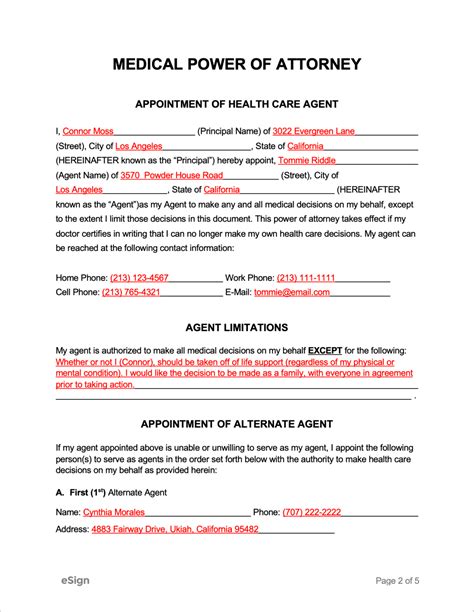
Creating a Medical Power of Attorney Form
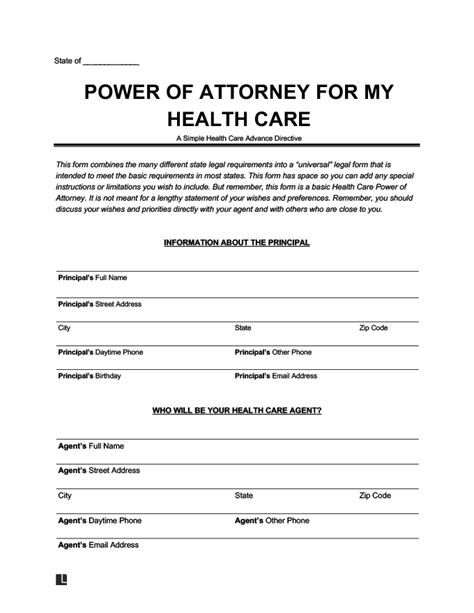
Creating a Medical Power of Attorney form involves several steps, including:
- Choosing an Agent: Selecting a trusted individual to serve as the agent, who will make medical decisions on behalf of the individual.
- Determining the Agent’s Powers: Deciding what powers to grant the agent, including the ability to make medical decisions, access medical records, and communicate with healthcare providers.
- Expressing Healthcare Preferences: Considering and expressing general healthcare preferences, such as wishes regarding life-sustaining treatments, pain management, and other medical interventions.
- Limiting the Agent’s Powers: Optionally placing limitations on the agent’s powers, such as restricting the agent’s ability to make decisions regarding certain types of medical treatment.
- Signing and Acknowledging the Document: Signing the document in the presence of a notary public or other authorized witness, and having the agent acknowledge their acceptance of the appointment.
Key Points
- A Medical Power of Attorney is a crucial document that allows an individual to appoint another person to make medical decisions on their behalf.
- The MPOA typically includes provisions for the agent to make decisions regarding medical treatment, including the ability to consent to or refuse treatment, access medical records, and communicate with healthcare providers.
- The specific requirements for a Medical Power of Attorney form may vary depending on the jurisdiction.
- Creating a Medical Power of Attorney form involves several steps, including choosing an agent, determining the agent's powers, expressing healthcare preferences, limiting the agent's powers, and signing and acknowledging the document.
- It is essential to consult with an attorney or other qualified professional to ensure that the document is valid and enforceable in the individual's state or country of residence.
In conclusion, a Medical Power of Attorney is a vital document that ensures an individual's healthcare preferences are respected and carried out, even when they cannot express themselves. By understanding the key components of a Medical Power of Attorney form and following the necessary steps to create one, individuals can ensure that their medical wishes are respected and that they receive the care they desire.
What is a Medical Power of Attorney?
+A Medical Power of Attorney is a document that allows an individual to appoint another person to make medical decisions on their behalf in the event they become incapacitated or unable to communicate their own wishes.
What are the key components of a Medical Power of Attorney form?
+The key components of a Medical Power of Attorney form include the introduction and purpose, appointment of agent, agent’s powers and responsibilities, healthcare preferences, limitations on agent’s powers, effective date and duration, revocation, and signatures and acknowledgments.
How do I create a Medical Power of Attorney form?
+Creating a Medical Power of Attorney form involves several steps, including choosing an agent, determining the agent’s powers, expressing healthcare preferences, limiting the agent’s powers, and signing and acknowledging the document. It is essential to consult with an attorney or other qualified professional to ensure that the document is valid and enforceable in the individual’s state or country of residence.
Can I limit my agent’s powers in a Medical Power of Attorney?
+Yes, you can limit your agent’s powers in a Medical Power of Attorney. This can be done by including provisions in the document that restrict the agent’s ability to make decisions regarding certain types of medical treatment.
Is a Medical Power of Attorney the same as a Living Will?
+No, a Medical Power of Attorney and a Living Will are not the same. A Living Will is a document that outlines an individual’s wishes regarding end-of-life medical treatment, while a Medical Power of Attorney is a document that appoints another person to make medical decisions on their behalf.