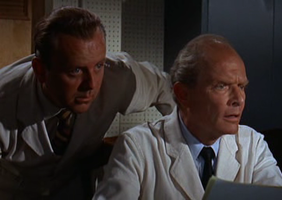
The 1968 film "Charly," based on Daniel Keyes' novel "Flowers for Algernon," is a thought-provoking and emotionally charged exploration of the human condition, delving into the complexities of intelligence, identity, and the consequences of scientific hubris. Directed by Ralph Nelson, the movie brings to life the poignant and powerful story of Charlie Gordon, a man with an intellectual disability who undergoes an experimental surgery to enhance his cognitive abilities.
Intellectual Disability and the Quest for Intelligence

The film’s central theme revolves around the concept of intelligence and its multifaceted nature, challenging the audience to reconsider their perceptions of what it means to be intelligent. Charlie, played by Cliff Robertson, is a kind and gentle soul who works as a janitor at a local bakery. Despite his limited cognitive abilities, he is eager to learn and please those around him. The experimental surgery, designed to increase his intelligence, raises fundamental questions about the relationship between intelligence, humanity, and the essence of self.
The Psychological and Emotional Implications of Enhanced Intelligence
As Charlie’s intelligence grows, so does his awareness of the world around him, leading to a profound transformation in his emotional and psychological landscape. The film masterfully captures the complexities of this transformation, as Charlie struggles to reconcile his newfound intelligence with his existing sense of identity. The supporting cast, including Claire Bloom as Alice Kinnian, Charlie’s teacher and love interest, adds depth and nuance to the narrative, exploring the ethical implications of scientific intervention in human cognition.
| Category | Insights |
|---|---|
| Themes | Intelligence, Identity, Human Condition, Ethics of Scientific Intervention |
| Character Development | Charlie Gordon's Transformation, Alice Kinnian's Emotional Journey |
| Cinematic Elements | Direction by Ralph Nelson, Cliff Robertson's Performance |

Key Points
- The film "Charly" is an adaptation of Daniel Keyes' novel "Flowers for Algernon," exploring themes of intelligence, identity, and the human condition.
- Charlie Gordon's character undergoes a significant transformation, raising questions about the nature of intelligence and its impact on human experience.
- The movie features a strong performance by Cliff Robertson, who brings depth and nuance to the portrayal of Charlie's journey.
- The film's exploration of the ethics of scientific intervention in human cognition serves as a timely reminder of the importance of responsible innovation.
- The supporting cast, including Claire Bloom, adds complexity to the narrative, examining the emotional and psychological implications of Charlie's transformation.
Behind the Scenes: The Making of “Charly”

The production of “Charly” involved a meticulous attention to detail, with director Ralph Nelson working closely with the cast and crew to bring the story to life. The film’s cinematography, combined with the powerful performances of the actors, creates a visually stunning and emotionally resonant experience. The movie’s score, composed by Ravi Shankar, adds an additional layer of depth, capturing the essence of Charlie’s journey and the themes of the film.
Reception and Legacy
“Charly” received widespread critical acclaim upon its release, with many praising the film’s thoughtful and nuanced exploration of complex themes. The movie’s impact extends beyond its initial release, as it continues to inspire discussions about the nature of intelligence, the ethics of scientific intervention, and the human condition. The film’s influence can be seen in various adaptations and reinterpretations of the original novel, cementing its place as a classic of American cinema.
The film's exploration of the human condition, combined with its thought-provoking themes and powerful performances, makes "Charly" a must-see for audiences interested in intellectually stimulating and emotionally resonant cinema. As a testament to the enduring power of Daniel Keyes' novel, the movie remains a relevant and timely commentary on the complexities of human intelligence and the importance of responsible innovation.
What is the central theme of the film "Charly"?
+The central theme of the film "Charly" revolves around the concept of intelligence and its multifaceted nature, challenging the audience to reconsider their perceptions of what it means to be intelligent.
How does the film portray the transformation of Charlie Gordon's character?
+The film masterfully captures the complexities of Charlie's transformation, as he struggles to reconcile his newfound intelligence with his existing sense of identity. The movie portrays this transformation as a profound and emotionally charged experience, raising fundamental questions about the nature of intelligence and its impact on human experience.
What is the significance of the film's exploration of the ethics of scientific intervention in human cognition?
+The film's exploration of the ethics of scientific intervention in human cognition serves as a timely reminder of the importance of responsible innovation. By examining the consequences of scientific hubris and the complexities of human intelligence, the movie encourages audiences to consider the potential implications of emerging technologies and the need for nuanced and informed discussions about their development and application.
Meta description suggestion: “Explore the thought-provoking film ‘Charly,’ a powerful adaptation of Daniel Keyes’ novel ‘Flowers for Algernon,’ delving into the complexities of intelligence, identity, and the human condition.” (147 characters)