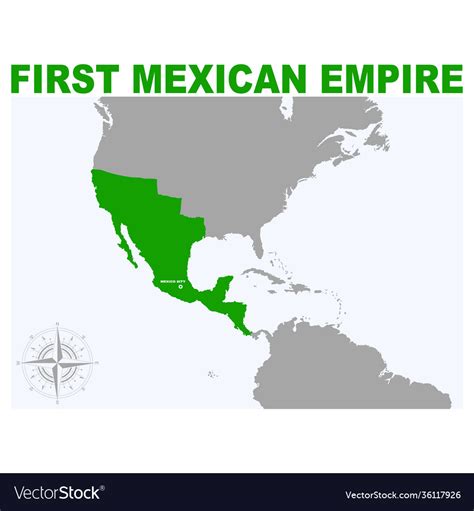
The Mexican Empire, a short-lived but significant period in Mexican history, marked the country's transition from a colonial territory to an independent nation. The empire's establishment in 1821, following Mexico's war of independence from Spain, was a pivotal moment in the country's struggle for self-governance. This era, although brief, laid the groundwork for the complex and often tumultuous path Mexico would tread in the centuries to come.
The seeds of the Mexican Empire were sown during the Mexican War of Independence, which began in 1810 and ended with the signing of the Treaty of Córdoba in 1821. This treaty recognized Mexico's independence from Spain and established Agustín de Iturbide, a Mexican general, as the head of the newly independent nation. Iturbide, who had played a crucial role in the final stages of the war, would become the first emperor of Mexico, ruling as Agustín I.
Key Points
- The Mexican Empire was established in 1821 after Mexico gained independence from Spain.
- Agustín de Iturbide was crowned the first emperor of Mexico, marking the beginning of the empire.
- The empire faced significant challenges, including political instability and economic difficulties.
- The Mexican Empire was eventually overthrown in 1823, leading to the establishment of the United Mexican States.
- The legacy of the Mexican Empire continues to influence Mexican politics and society today.
The Reign of Agustín I
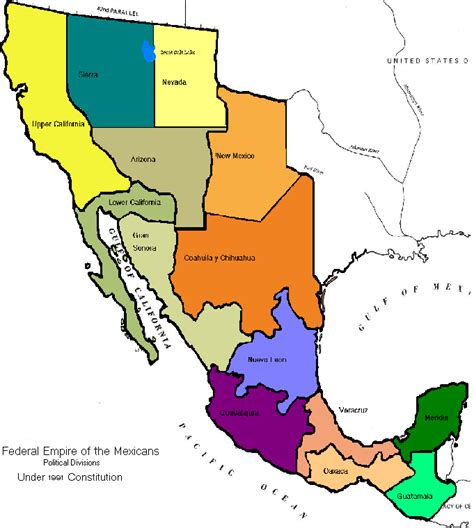
Agustín de Iturbide’s reign as the first emperor of Mexico was marked by controversy and political upheaval. Despite his role in achieving independence, Iturbide faced opposition from various factions within the new nation. His decision to dissolve the Mexican Congress in 1822 and rule by decree further alienated him from his political opponents. The economic situation of the country also deteriorated under his rule, with significant debt inherited from the war of independence and a decline in mining production, which had been a mainstay of the colonial economy.
Challenges and Downfall
The challenges faced by the Mexican Empire under Iturbide’s rule were not limited to internal politics and economics. The empire also faced external pressures, including the threat of reconquest by Spain and the expansionist policies of the United States. Iturbide’s attempts to address these challenges, including the establishment of a national army and the negotiation of international recognition, were ultimately unsuccessful. In 1823, a rebellion led by Antonio López de Santa Anna and Guadalupe Victoria succeeded in overthrowing Iturbide, marking the end of the Mexican Empire.
| Event | Date | Significance |
|---|---|---|
| Mexican War of Independence | 1810-1821 | Mexico gains independence from Spain |
| Establishment of the Mexican Empire | 1821 | Agustín de Iturbide becomes the first emperor of Mexico |
| Overthrow of the Mexican Empire | 1823 | End of the empire and establishment of the United Mexican States |
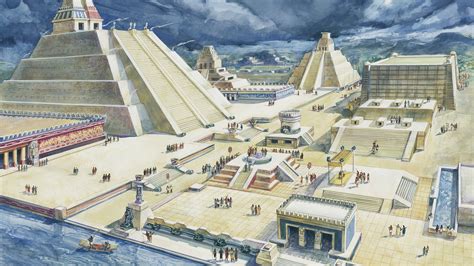
Legacy of the Mexican Empire
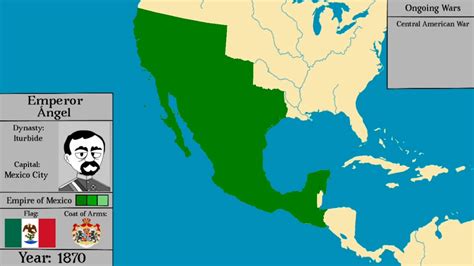
The legacy of the Mexican Empire is complex and multifaceted. While the empire itself was short-lived, the period marked the beginning of Mexico’s journey as an independent nation. The political and economic structures established during this time, although flawed, provided a foundation for the development of the country. The figure of Agustín de Iturbide, despite his controversial reign, remains an important symbol of Mexican independence and a reminder of the challenges faced by the young nation.
The Mexican Empire also played a significant role in shaping the country's relationships with other nations, particularly the United States. The empire's dissolution and the subsequent establishment of the United Mexican States set the stage for the country's future interactions with its northern neighbor, including the Mexican-American War and the loss of significant territories.
Historical Context and Evolutionary Developments
Understanding the Mexican Empire requires a consideration of the broader historical context in which it existed. The early 19th century was a time of great upheaval in the Americas, with the Spanish and Portuguese empires crumbling and new nations emerging. The Mexican Empire was part of this larger trend, reflecting the aspirations of Mexicans for self-governance and independence. The empire’s failure and the subsequent establishment of a republic also reflect the difficulties faced by many newly independent nations in establishing stable and effective governments.
What were the main reasons for the downfall of the Mexican Empire?
+The Mexican Empire faced several challenges, including political instability, economic difficulties, and external pressures. The dissolution of the Congress and Iturbide's decision to rule by decree alienated many political opponents, while the economic situation of the country continued to deteriorate.
How did the Mexican Empire's legacy influence Mexico's future development?
+The Mexican Empire's legacy can be seen in the political, economic, and social structures established during this period. Although the empire itself was short-lived, it marked the beginning of Mexico's journey as an independent nation and laid the groundwork for the country's future development.
What is the significance of Agustín de Iturbide in Mexican history?
+Agustín de Iturbide played a crucial role in Mexico's war of independence and was crowned the first emperor of Mexico. Despite his controversial reign, Iturbide remains an important figure in Mexican history, symbolizing the country's struggle for independence and self-governance.
In conclusion, the Mexican Empire, although brief, was a pivotal period in Mexican history, marking the country’s transition from a colonial territory to an independent nation. The empire’s establishment, reign, and downfall reflect the complex challenges faced by Mexico in its early years, including political instability, economic difficulties, and external pressures. Understanding the Mexican Empire requires a consideration of the broader historical context in which it existed, as well as the legacy it left behind, shaping Mexico’s future development and its relationships with other nations.