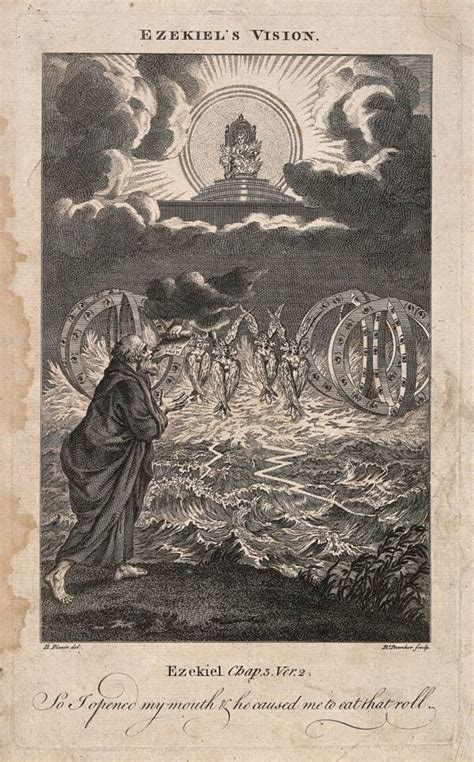
The Book of Ezekiel, a prophetic text in the Hebrew Bible and the Christian Old Testament, contains vivid descriptions of divine beings, often referred to as angels, that play crucial roles in the prophet's visions. Among these, the most fascinating and complex are the four living creatures, or "Chayot" in Hebrew, and the whirlwind, which is accompanied by four wheels, often interpreted as a separate entity or a manifestation of divine power. This article delves into the descriptions, symbolism, and theological significance of these Ezekiel biblical angels, exploring their characteristics, roles, and the context in which they appear.
Key Points
- The four living creatures in Ezekiel's vision are depicted as having the faces of a man, a lion, an ox, and an eagle, symbolizing different aspects of creation and divine dominion.
- These creatures are associated with the glory of God, serving as a throne or chariot for the divine presence, and are seen as instruments of divine judgment and mercy.
- The wheels, described as being full of eyes and moving in any direction without turning, represent the omnipresence and omnidirectionality of God's power and will.
- The whirlwind, which carries the prophet to different locations, symbolizes the powerful and uncontrollable nature of divine intervention in human affairs.
- Understanding these visions requires a deep appreciation for the theological and cultural context of the Book of Ezekiel, including the prophet's message of judgment, restoration, and the hope of Israel's return from exile.
The Four Living Creatures: Angels of God’s Throne
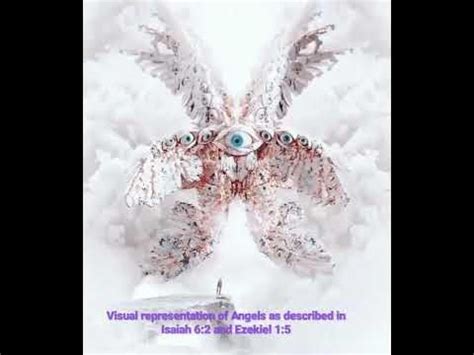
The vision of the four living creatures in Ezekiel 1:5-14 is one of the most iconic and mysterious in the Bible. Each creature has four wings and four faces: the face of a man, a lion, an ox, and an eagle. These faces are often seen as representing different aspects of creation: humanity, wild nature, domesticated nature, and the sky or heaven. The creatures are covered in eyes, signifying their role as watchers and agents of divine justice. They move in perfect harmony, never turning as they move, symbolizing the coordinated and omnidirectional movement of God’s will.
The Symbolism of the Faces
The faces of the creatures hold deep symbolic meaning. The face of a man represents intelligence and rationality, the lion symbolizes strength and courage, the ox signifies labor and service, and the eagle represents swiftness and the heavenly realm. Together, these faces embody the diversity and complexity of God’s creation, as well as the different facets of divine action in the world. The presence of these creatures in Ezekiel’s vision underscores the prophet’s role as a messenger of God, tasked with conveying divine messages to Israel during a time of crisis and exile.
| Face of the Creature | Symbolic Meaning |
|---|---|
| Man | Intelligence, Rationality, Humanity |
| Lion | Strength, Courage, Wild Nature |
| Ox | Labor, Service, Domesticated Nature |
| Eagle | Swiftness, Heaven, Spiritual Realm |
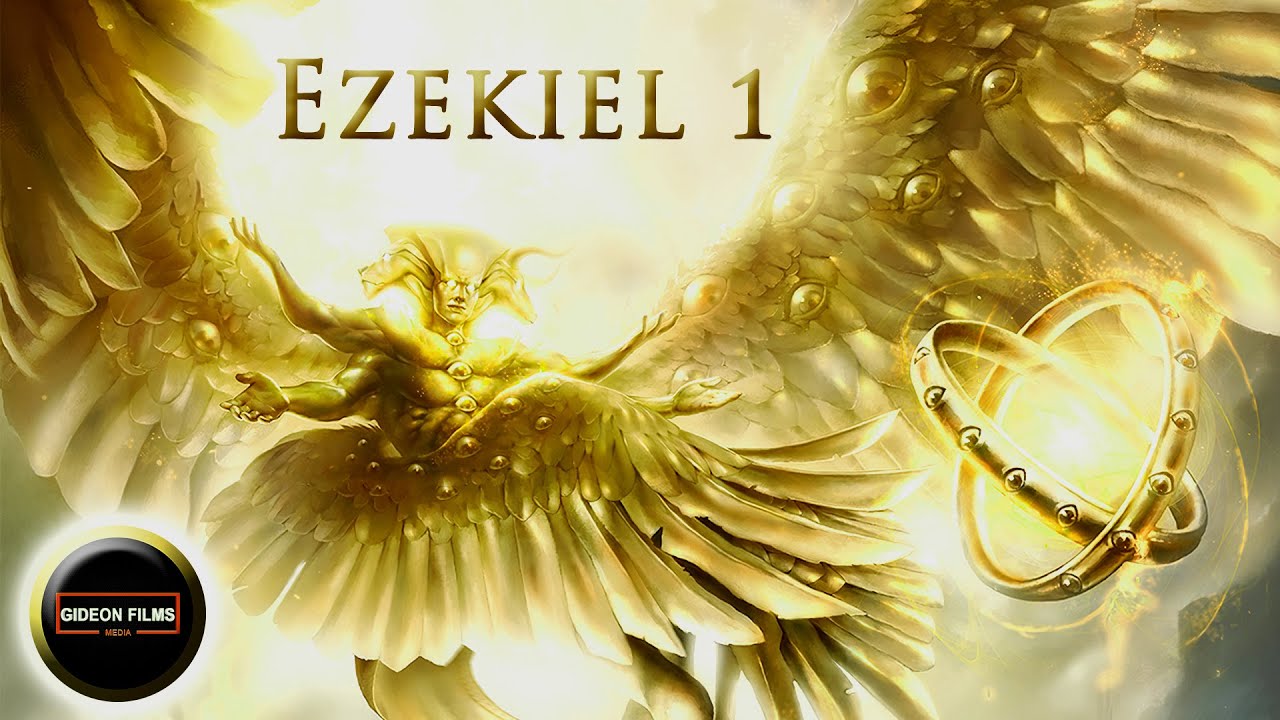
The Whirlwind and the Wheels: Manifestations of Divine Power
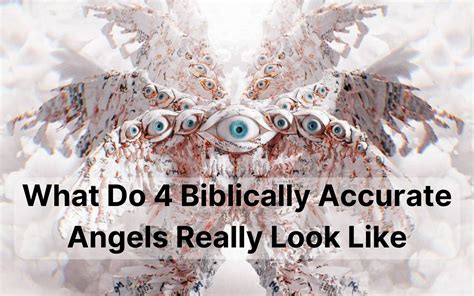
The whirlwind, which appears in Ezekiel 1:4, is a dramatic manifestation of divine power, carrying the prophet away and setting the stage for his visions. Accompanying the whirlwind are four wheels, each covered in eyes, which can move in any direction without turning. These wheels are often interpreted as a symbol of God’s omnipresence and ability to move freely in any direction, unencumbered by human limitations. The whirlwind and the wheels together signify the dynamic and unstoppable nature of divine action, which can both judgmentally purge and redemptively transform God’s people.
The Theological Significance of the Wheels
The wheels, with their ability to move in all directions simultaneously, represent the unbounded and all-encompassing nature of God’s power. The fact that they are covered in eyes underscores God’s omniscience and ability to see all things. The wheels’ movement, described as being beside the living creatures, indicates a deep connection between the divine throne (symbolized by the creatures) and the omnipresent, omnidirectional power of God (represented by the wheels). This vision emphasizes Ezekiel’s theological theme of God’s transcendence and immanence, highlighting how the divine is both beyond human comprehension and intimately involved in human affairs.
The Book of Ezekiel, through its descriptions of the four living creatures and the whirlwind with its wheels, presents a complex and multifaceted picture of divine beings and manifestations of God's power. These visions are not merely symbolic or metaphorical but are deeply rooted in the theological and historical context of the prophet's time, conveying messages of judgment, hope, and restoration to the people of Israel. Understanding these visions requires a nuanced appreciation for the biblical context, the cultural and religious beliefs of ancient Israel, and the theological themes that underpin the Book of Ezekiel.
What is the significance of the four faces of the living creatures in Ezekiel’s vision?
+The four faces of the living creatures—man, lion, ox, and eagle—represent different aspects of creation and divine dominion, symbolizing humanity, wild nature, domesticated nature, and the heavenly realm, respectively. Together, they embody the diversity and complexity of God’s creation and the multifaceted nature of divine action.
How do the wheels in Ezekiel’s vision relate to the concept of God’s power and presence?
+The wheels, which can move in any direction without turning and are covered in eyes, symbolize the omnipresence and omnidirectionality of God’s power. They represent God’s ability to move freely and see all things, emphasizing the divine attributes of omnipotence and omniscience.
What message do the visions of Ezekiel convey to the people of Israel during their time of exile?
+The visions of Ezekiel convey a message of judgment for the sins of Israel, hope for restoration, and the promise of God’s presence and power even in the midst of exile. They emphasize God’s sovereignty over all nations and the ultimate redemption of Israel, encouraging the people to remain faithful and look forward to their return from exile.