Shin splints, a common condition characterized by pain and inflammation in the lower leg, can be a frustrating and debilitating issue for athletes and individuals who engage in regular physical activity. The condition is often caused by repetitive stress and overuse, leading to inflammation of the muscles, tendons, and bone tissue in the shin area. Fortunately, a combination of rest, stretching, and strengthening exercises can help alleviate symptoms and prevent future occurrences. In this article, we will explore the most effective exercises for shin splints, providing a comprehensive guide for individuals seeking to manage and overcome this condition.
Key Points
- Shin splints are often caused by repetitive stress and overuse, leading to inflammation in the lower leg.
- Rest, stretching, and strengthening exercises can help alleviate symptoms and prevent future occurrences.
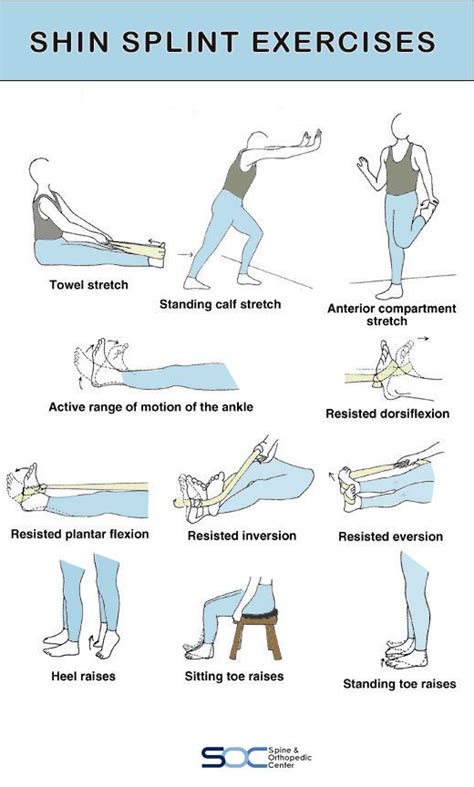
- Calf raises, toe walks, and ankle circles are effective exercises for strengthening the muscles in the lower leg.
- Stretching exercises, such as calf stretches and hamstring stretches, can help reduce muscle tension and improve flexibility.
- Gradually increasing exercise intensity and incorporating proper footwear and orthotics can help prevent shin splints.
Understanding Shin Splints

Shin splints, also known as medial tibial stress syndrome, are a common overuse injury that can affect individuals of all ages and fitness levels. The condition is characterized by pain and inflammation in the lower leg, typically in the front or inner aspect of the shinbone. Shin splints can be caused by a variety of factors, including overtraining, poor footwear, and biomechanical issues, such as flat feet or overpronation. In order to effectively manage and prevent shin splints, it is essential to understand the underlying causes and to incorporate a combination of exercises and preventive measures into your training routine.
Strengthening Exercises for Shin Splints
Strengthening the muscles in the lower leg is an essential component of shin splint treatment and prevention. Weak or imbalanced muscles can contribute to poor biomechanics and increased stress on the shinbone, leading to inflammation and pain. The following exercises can help strengthen the muscles in the lower leg and reduce the risk of shin splints:
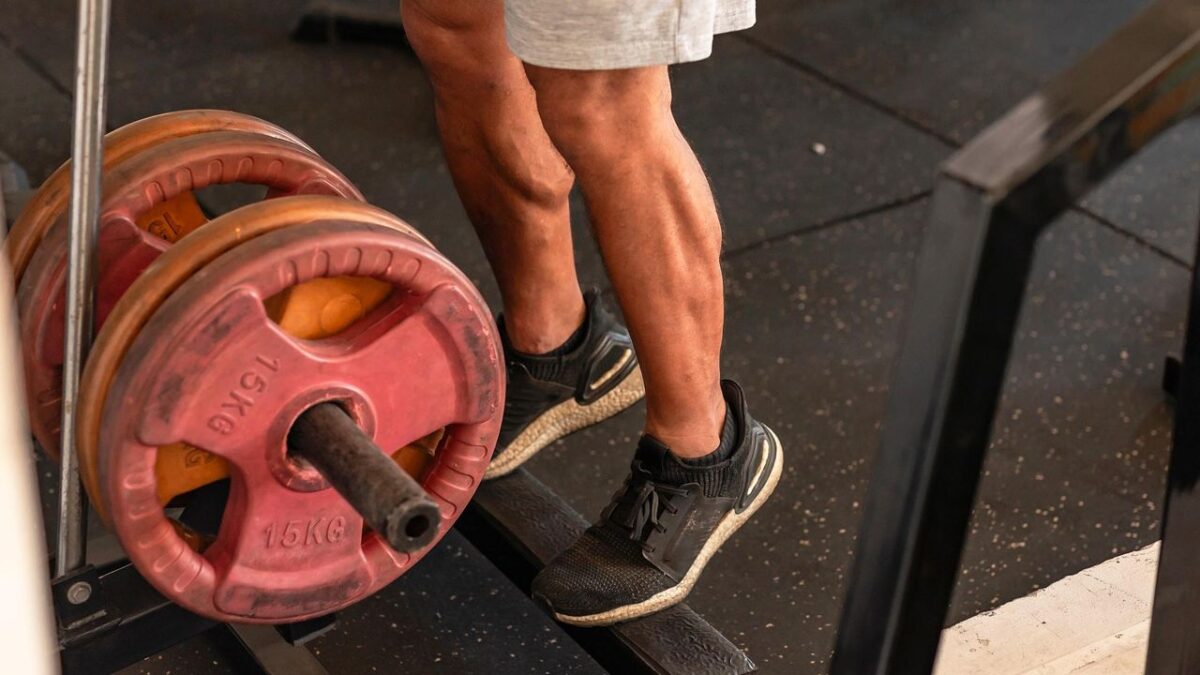
- Calf raises: Stand on a flat surface with your feet shoulder-width apart and raise up onto your toes, then lower back down. Repeat for 3 sets of 12-15 repetitions.
- Toe walks: Walk on your toes for 10-15 feet, then rest. Repeat for 3 sets.
- Ankle circles: Sit on the floor with your legs straight out in front of you and draw circles with your ankles, first clockwise and then counterclockwise. Repeat for 3 sets of 5-7 repetitions in each direction.
| Exercise | Repetitions | Sets |
|---|---|---|
| Calf raises | 12-15 | 3 |
| Toe walks | 10-15 feet | 3 |
| Ankle circles | 5-7 | 3 |
Stretching Exercises for Shin Splints
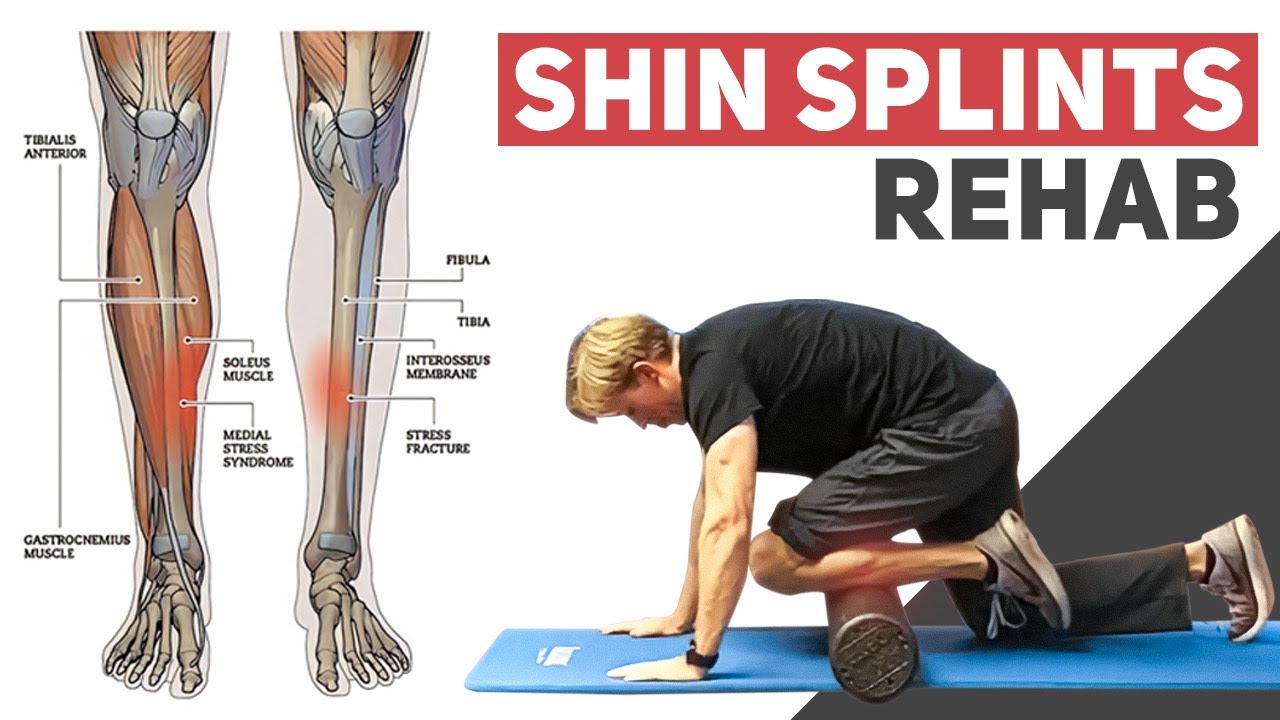
Stretching exercises can help reduce muscle tension and improve flexibility in the lower leg, reducing the risk of shin splints. The following stretches can be incorporated into your routine:
- Calf stretch: Stand facing a wall with your feet shoulder-width apart and lean forward, bending at the waist. Hold for 15-30 seconds and repeat for 3 sets.
- Hamstring stretch: Sit on the floor with your legs straight out in front of you and lean forward, reaching for your toes. Hold for 15-30 seconds and repeat for 3 sets.
- Achilles tendon stretch: Stand with your feet shoulder-width apart and step forward with one foot. Lower your body down into a lunge position, keeping your back knee almost touching the ground. Hold for 15-30 seconds and repeat on the other side.
Preventive Measures
In addition to incorporating strengthening and stretching exercises into your routine, there are several preventive measures that can help reduce the risk of shin splints. These include:
- Gradually increasing exercise intensity: Avoid sudden increases in exercise intensity or duration, as this can put excessive stress on the lower leg.
- Wearing proper footwear: Wear shoes that are designed for your specific activity and provide adequate support and cushioning.
- Using orthotics: Consider using orthotics or shoe inserts to help redistribute pressure and reduce stress on the lower leg.
What are the most common causes of shin splints?
+The most common causes of shin splints include overtraining, poor footwear, and biomechanical issues, such as flat feet or overpronation.
How can I prevent shin splints?
+To prevent shin splints, incorporate strengthening and stretching exercises into your routine, gradually increase exercise intensity, wear proper footwear, and consider using orthotics.
What are the symptoms of shin splints?
+The symptoms of shin splints include pain and inflammation in the lower leg, typically in the front or inner aspect of the shinbone.
Meta description: Learn about the most effective exercises for shin splints, including strengthening and stretching exercises, and discover how to prevent this common overuse injury.