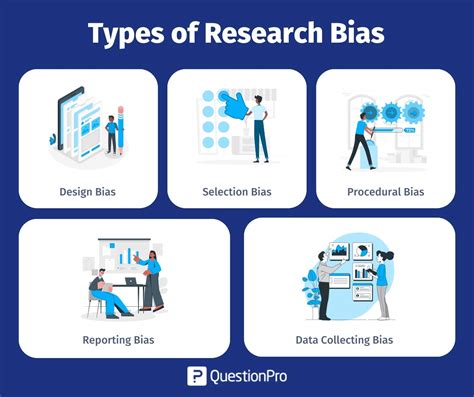
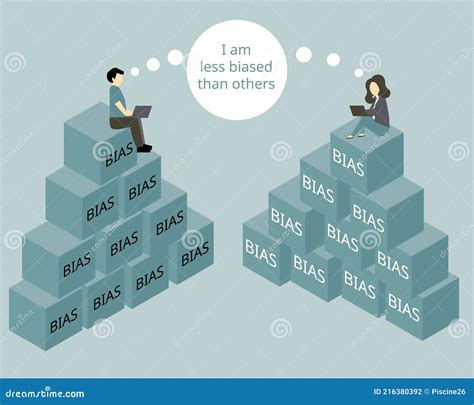
Examples of bias are ubiquitous in various aspects of our lives, from media reporting to scientific research, and even in our daily conversations. Understanding these biases is crucial for making informed decisions and for promoting fairness and accuracy in our perceptions and interactions. Here, we will delve into several types of biases, exploring their definitions, implications, and examples to illustrate their impact.
Confirmation Bias
Confirmation bias is the tendency to search for, interpret, favor, and recall information in a way that confirms one’s preexisting beliefs or hypotheses. This bias is particularly problematic because it leads individuals to give more weight to information that supports their beliefs and to discount or ignore information that contradicts them. For instance, in the context of political news, a person with strong political affiliations might seek out news sources that align with their views and dismiss or avoid sources that present opposing viewpoints.
Anchoring Bias
Anchoring bias occurs when an individual relies too heavily on the first piece of information they receive when making decisions, even if that information is irrelevant or unreliable. This initial piece of information serves as an “anchor” that influences subsequent judgments and decisions. An example of anchoring bias can be seen in price negotiations, where the first price mentioned (even if it’s not based on the true value of the item) can significantly influence the final price agreed upon.
| Type of Bias | Description | Example |
|---|---|---|
| Confirmation Bias | Tendency to favor information that confirms existing beliefs | Seeking news that supports one's political views |
| Anchoring Bias | Relying too heavily on the first piece of information received | Initial price in negotiations influencing the final price |
| Availability Heuristic | Judging likelihood based on how easily examples come to mind | Overestimating the risk of plane crashes after a recent crash |
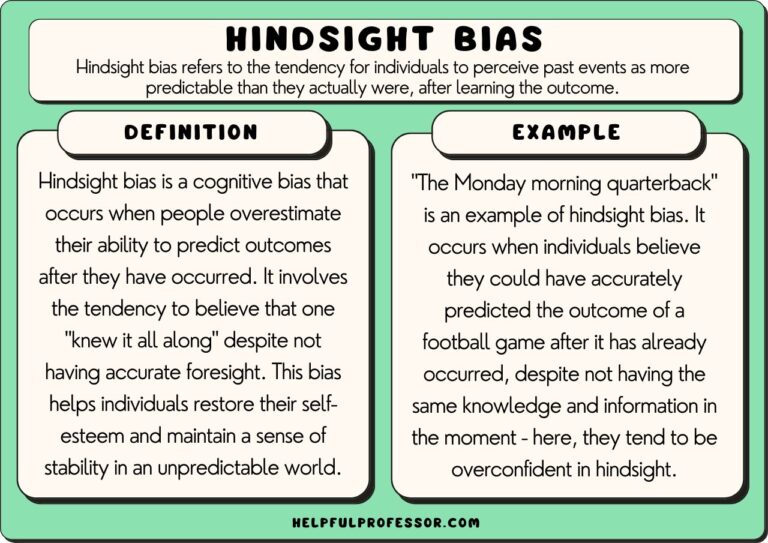
Hindsight Bias
Hindsight bias, also known as the “knew-it-all-along” effect, occurs when people believe, after an event has occurred, that they would have predicted or prevented it. This bias leads to an exaggeration of one’s ability to predict outcomes and can hinder learning from past experiences. For example, after a company’s stock price plummets, an investor might claim they knew the downturn was coming, even if they had no such foresight before the event.
Bandwagon Effect
The bandwagon effect is a type of bias where the probability of an individual adopting a belief or behavior increases as more people adopt it. This phenomenon is driven by the desire to conform and be part of the majority. An example of the bandwagon effect can be observed in the adoption of new technologies or trends, where people are more likely to join in once they see many others doing so, regardless of the underlying value or merits of the trend.
Key Points
- Confirmation bias leads to the favoring of information that supports existing beliefs
- Anchoring bias influences decisions based on the first piece of information received
- The availability heuristic results in judgments based on the ease of recalling examples
- Hindsight bias exaggerates one's ability to predict past events
- The bandwagon effect promotes the adoption of beliefs or behaviors based on their popularity
In conclusion, biases are inherent in human decision-making and perception. Recognizing and understanding these biases is crucial for making informed, unbiased decisions. By acknowledging the potential for bias in ourselves and others, we can work towards a more balanced and nuanced approach to information and decision-making.
What is the impact of confirmation bias on personal beliefs?
+Confirmation bias can lead to a reinforcement of existing beliefs, making them more rigid and less susceptible to change, even in the face of contradictory evidence. This can result in a narrow, biased worldview.
How can anchoring bias be mitigated in negotiations?
+To mitigate anchoring bias in negotiations, it’s beneficial to have a clear understanding of the true value of the item or service being negotiated. Additionally, making a counteroffer that is not heavily influenced by the initial anchor can help in reaching a more fair agreement.
What strategies can be employed to reduce the influence of biases in decision-making?
+Strategies to reduce bias include seeking out diverse perspectives, encouraging critical thinking, and considering alternative explanations. Actively taking the time to reflect on one’s own biases and attempting to set them aside during the decision-making process can also be beneficial.