November is recognized as Epilepsy Awareness Month, a time dedicated to raising awareness and promoting understanding of a neurological disorder that affects millions of people worldwide. Epilepsy is characterized by recurrent seizures, which are sudden surges of electrical activity in the brain that can cause a range of symptoms, from mild to severe. Despite its prevalence, epilepsy remains shrouded in misconception and stigma, making awareness and education crucial for improving the lives of those affected.
Understanding Epilepsy: Causes, Symptoms, and Diagnosis
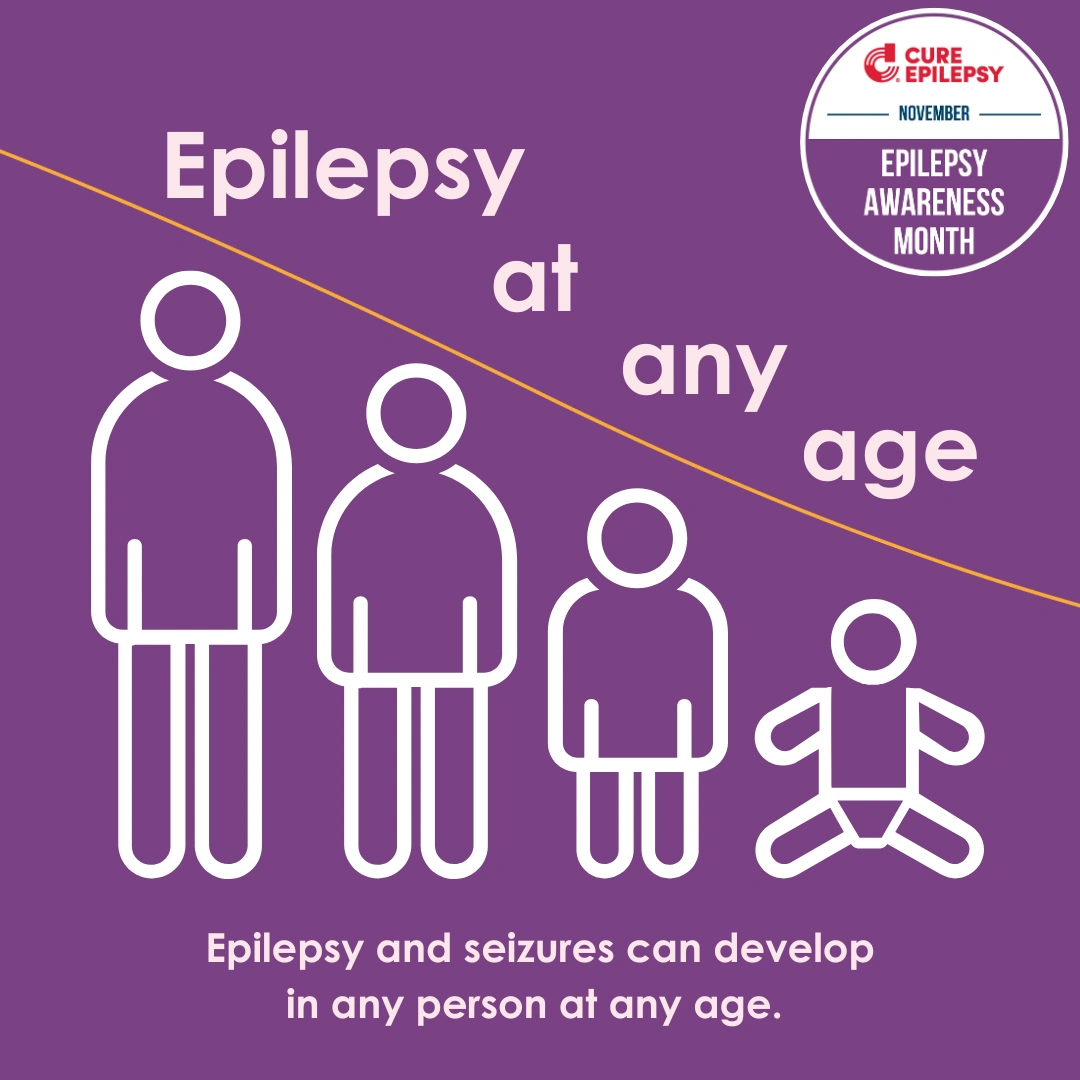
Epilepsy can be caused by a variety of factors, including genetics, head trauma, infections, and developmental disorders. The symptoms of epilepsy can vary widely, depending on the type of seizure and the area of the brain affected. Some common symptoms include convulsions, loss of consciousness, and altered states of consciousness, such as confusion or disorientation. Diagnosing epilepsy typically involves a combination of medical history, physical examination, and diagnostic tests, such as electroencephalography (EEG) and magnetic resonance imaging (MRI).
Epilepsy Types and Seizure Classifications
There are several types of epilepsy, including idiopathic epilepsy, which has no known cause, and symptomatic epilepsy, which is caused by a underlying medical condition. Seizures can be classified into two main categories: generalized seizures, which affect both sides of the brain, and focal seizures, which affect only one area of the brain. Generalized seizures can be further divided into several subtypes, including tonic-clonic seizures, absence seizures, and myoclonic seizures.
| Epilepsy Type | Seizure Classification | Description |
|---|---|---|
| Idiopathic Epilepsy | Generalized Seizures | No known cause, affects both sides of the brain |
| Symptomatic Epilepsy | Focal Seizures | Caused by underlying medical condition, affects one area of the brain |
| Genetic Epilepsy | Tonic-Clonic Seizures | Caused by genetic mutation, characterized by convulsions and loss of consciousness |
Key Points
- Epilepsy is a neurological disorder characterized by recurrent seizures, affecting approximately 50 million people worldwide.
- The causes of epilepsy can be genetic, traumatic, infectious, or developmental, and diagnosis typically involves a combination of medical history, physical examination, and diagnostic tests.
- There are several types of epilepsy, including idiopathic, symptomatic, and genetic, and seizures can be classified into generalized and focal categories.
- Epilepsy awareness and education are crucial for reducing stigma and improving the lives of those affected, and November is recognized as Epilepsy Awareness Month.
- A comprehensive treatment plan, including medication, surgery, and lifestyle modifications, can significantly improve seizure control and quality of life for individuals with epilepsy.
Treatment and Management of Epilepsy
Treatment for epilepsy typically involves a combination of medication, surgery, and lifestyle modifications. Anti-seizure medications are the primary treatment for epilepsy, and can be effective in reducing the frequency and severity of seizures. In some cases, surgery may be necessary to remove the area of the brain causing the seizures. Lifestyle modifications, such as maintaining a healthy diet, getting regular exercise, and managing stress, can also help to reduce the risk of seizures.
Lifestyle Modifications and Stress Management
Managing stress and maintaining a healthy lifestyle can play a crucial role in reducing the risk of seizures and improving overall quality of life for individuals with epilepsy. This can include techniques such as meditation, yoga, and deep breathing exercises, as well as maintaining a consistent sleep schedule and avoiding triggers such as certain foods or environmental stimuli.
It's essential to note that epilepsy is a highly individualized disorder, and what works for one person may not work for another. A comprehensive treatment plan, developed in consultation with a healthcare professional, can help to ensure that each individual receives the best possible care and support.
What are the most common causes of epilepsy?
+The most common causes of epilepsy include genetics, head trauma, infections, and developmental disorders. In some cases, the cause of epilepsy may be unknown.
How is epilepsy diagnosed?
+Epilepsy is typically diagnosed through a combination of medical history, physical examination, and diagnostic tests, such as electroencephalography (EEG) and magnetic resonance imaging (MRI).
What are the most effective treatments for epilepsy?
+The most effective treatments for epilepsy typically involve a combination of medication, surgery, and lifestyle modifications. A comprehensive treatment plan, developed in consultation with a healthcare professional, can help to ensure that each individual receives the best possible care and support.
In conclusion, epilepsy is a complex and multifaceted disorder that affects millions of people worldwide. By raising awareness and promoting understanding of epilepsy, we can work to reduce stigma and improve the lives of those affected. As we recognize Epilepsy Awareness Month, let us strive to create a more inclusive and supportive environment for individuals with epilepsy, and to provide them with the best possible care and support.