Eosinophilic esophagitis (EoE) is a chronic inflammatory disease of the esophagus, characterized by the presence of high levels of eosinophils, a type of white blood cell, in the esophageal mucosa. The condition is often associated with difficulty swallowing, food impaction, and abdominal pain, significantly impacting the quality of life for affected individuals. Treatment for EoE typically involves a multidisciplinary approach, incorporating dietary modifications, pharmacological interventions, and endoscopic procedures, with the goal of reducing inflammation, alleviating symptoms, and preventing long-term complications.
Key Points
- Eosinophilic esophagitis (EoE) is a chronic inflammatory condition of the esophagus.
- Treatment involves dietary changes, medication, and endoscopic procedures.
- The goal of treatment is to reduce inflammation, alleviate symptoms, and prevent complications.
- A multidisciplinary approach, including gastroenterologists, allergists, and dietitians, is often necessary.
- Continuous monitoring and adjustments to the treatment plan are crucial for managing the condition effectively.
Understanding Eosinophilic Esophagitis
Eosinophilic esophagitis is believed to be an immune-mediated condition, with both genetic and environmental factors contributing to its pathogenesis. Food allergies and sensitivities, particularly to common allergenic foods such as milk, eggs, wheat, soy, fish, shellfish, peanuts, and tree nuts, are thought to play a significant role in the development of EoE. Other triggers may include aeroallergens, such as pollen and dust mites, and gastroesophageal reflux disease (GERD), although the latter’s role is more controversial and may be distinct from EoE in many cases.
Diagnosis of Eosinophilic Esophagitis
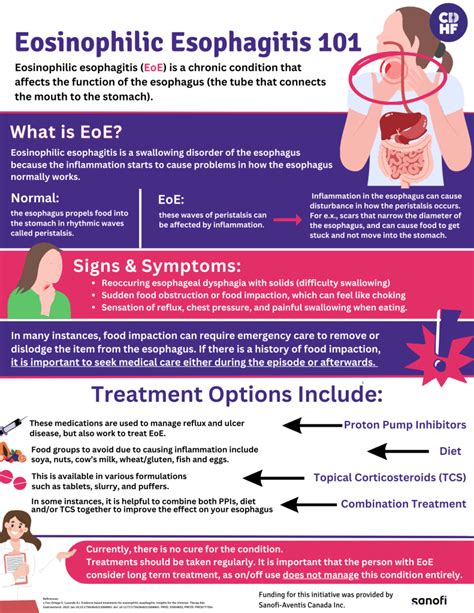
The diagnosis of EoE is based on a combination of clinical presentation, endoscopic findings, and histological confirmation. Endoscopy often reveals esophageal features such as rings, strictures, and furrows, although these can be absent in some cases. The definitive diagnosis is made through biopsy, showing peak eosinophil counts of ≥15 eosinophils per high-power field (HPF) in the esophageal mucosa. It is essential to rule out other causes of esophageal eosinophilia, such as GERD and infectious esophagitis, through appropriate investigations and response to therapy.
| Diagnostic Criteria | Findings |
|---|---|
| Clinical Presentation | Difficulty swallowing, food impaction, abdominal pain |
| Endoscopic Findings | Rings, strictures, furrows, esophageal narrowing |
| Histological Confirmation | ≥15 eosinophils per HPF in esophageal mucosa |
Treatment Strategies for Eosinophilic Esophagitis
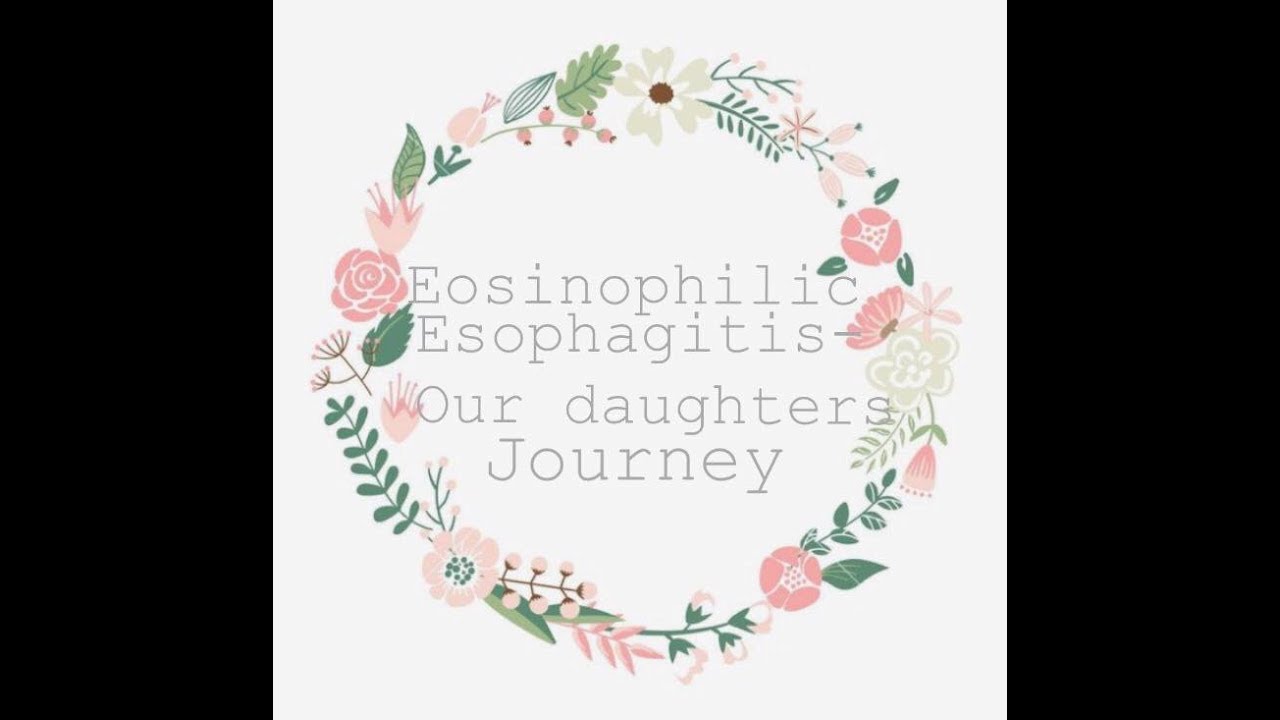
Treatment for EoE can be broadly categorized into three main approaches: dietary therapy, pharmacological treatment, and endoscopic dilation for esophageal strictures. Dietary therapy involves the elimination of common food allergens or the use of an elemental diet, which has been shown to induce clinical and histological remission in a significant proportion of patients. Pharmacological treatment typically involves the use of proton pump inhibitors (PPIs) to assess for GERD overlap and corticosteroids, such as swallowed fluticasone or budesonide, to reduce esophageal inflammation.
Dietary Therapy in Eosinophilic Esophagitis
Dietary therapy is a cornerstone in the management of EoE, aiming to identify and eliminate specific food triggers. The most common dietary approaches include the six-food elimination diet (SFED), which involves removing milk, eggs, wheat, soy, nuts, and fish/shellfish from the diet, and the elemental diet, which consists of an amino acid-based formula. These diets have been shown to induce remission in a significant proportion of patients, although they can be challenging to implement and may require nutritional counseling to ensure adequate nutrition.
Pharmacological Treatment of Eosinophilic Esophagitis
Pharmacological treatment for EoE is primarily aimed at reducing esophageal inflammation. Corticosteroids, administered in a swallowed form to act topically on the esophagus, are effective in reducing eosinophilic inflammation and alleviating symptoms. PPIs are also used, both for their potential role in treating GERD overlap and for their anti-inflammatory effects in EoE. In some cases, systemic corticosteroids may be necessary for acute exacerbations or severe disease.
What are the common symptoms of eosinophilic esophagitis?
+Common symptoms include difficulty swallowing, food impaction, abdominal pain, and nausea.
How is eosinophilic esophagitis diagnosed?
+Diagnosis is based on a combination of clinical presentation, endoscopic findings, and histological confirmation through biopsy.
What are the treatment options for eosinophilic esophagitis?
+Treatment options include dietary therapy, pharmacological treatment with corticosteroids and PPIs, and endoscopic dilation for esophageal strictures.
In conclusion, the treatment of eosinophilic esophagitis is multifaceted and requires a personalized approach, taking into account the patient’s specific triggers, symptoms, and response to therapy. By combining dietary modifications, pharmacological interventions, and endoscopic procedures, healthcare providers can effectively manage EoE, reducing inflammation, alleviating symptoms, and improving the quality of life for affected individuals. Continuous monitoring and adjustments to the treatment plan are crucial for long-term management, highlighting the need for a collaborative and dynamic approach to care.