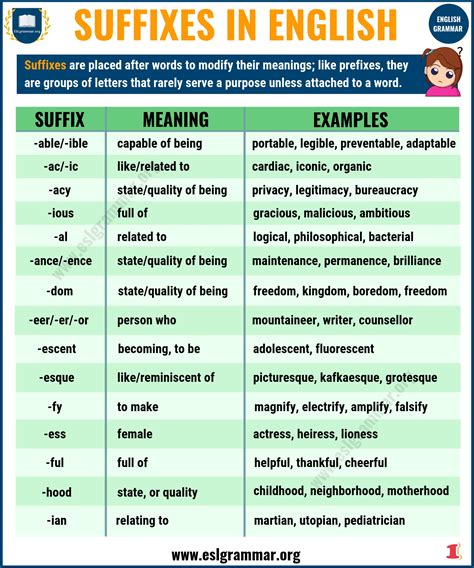
The suffix "-en" is a common linguistic element found in numerous English words, serving to form verbs, adjectives, and nouns. Its meaning and function can vary significantly depending on the context in which it is used. This article aims to delve into the complexities of the "-en" suffix, exploring its origins, its various applications across different parts of speech, and providing examples to illustrate its usage.
Origins and Historical Context
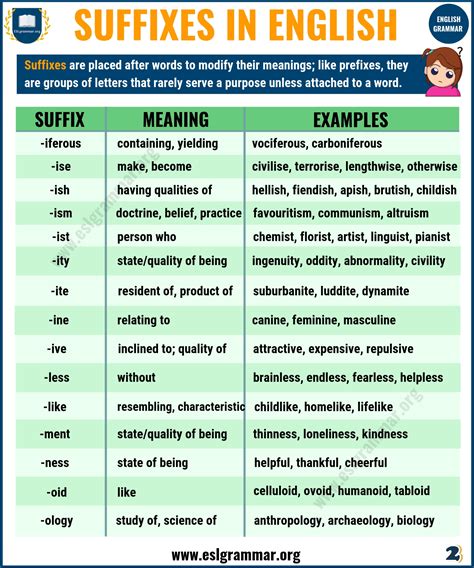
The “-en” suffix has its roots in Old English and Germanic languages. Historically, it has been used to form the past participle of verbs, especially those that are strong or irregular. Over time, its use has expanded to include the formation of adjectives and nouns, often conveying a sense of making something happen, turning something into a certain state, or indicating a process of change.
Verb Formation
One of the primary uses of the “-en” suffix is in the formation of verbs. When attached to nouns or adjectives, it can create verbs that denote the act of making something or someone become what is described by the root word. For example, “sharp” becomes “sharpen,” meaning to make something sharp. Another example is “lengthen,” which means to make something longer.
| Root Word | Verb Form with "-en" Suffix | Meaning |
|---|---|---|
| Sharp | Sharpen | To make something sharp |
| Long | Lengthen | To make something longer |
| Wide | Widen | To make something wider |
Adjective and Noun Formation
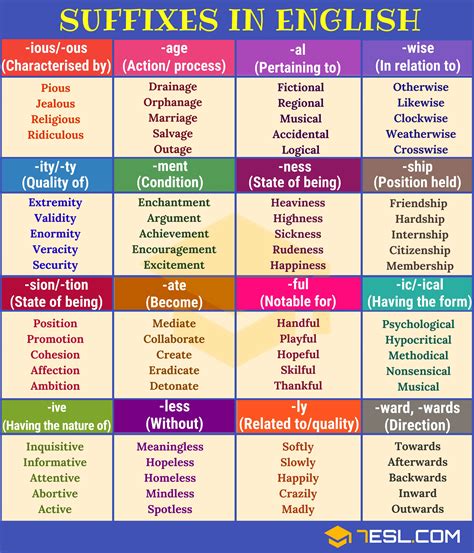
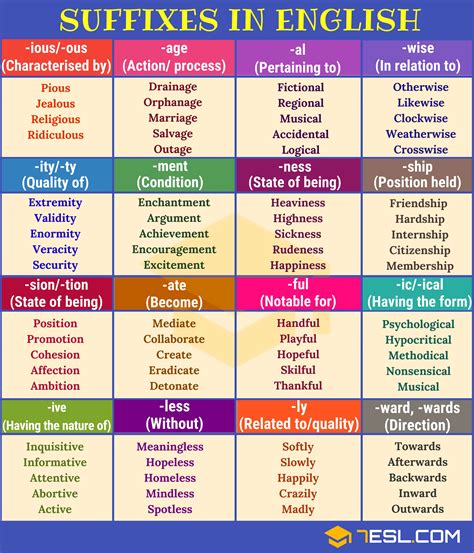
Beyond verb formation, the “-en” suffix is also used to form adjectives and nouns. In the case of adjectives, the suffix often indicates a quality or state that has been achieved through some process. For nouns, the “-en” suffix can form words that represent the result of an action or a process. For instance, “mold” can become “molden,” describing something that is affected by mold, though this is less common.
Examples and Usage
To illustrate the versatility of the “-en” suffix, consider the following examples: “strengthen” means to make something stronger, “harden” means to make something hard, and “deepen” means to make something deeper. These examples demonstrate how the suffix contributes to the creation of new words with specific, actionable meanings.
Key Points
- The "-en" suffix is used to form verbs, adjectives, and nouns, often indicating a process of change or the result of an action.
- It originates from Old English and Germanic languages, historically used for forming past participles of strong or irregular verbs.
- Examples of verb formation include "sharpen," "lengthen," and "widen," which denote making something or someone become a certain state.
- The suffix also forms adjectives and nouns, though these uses are less common and often specific to certain contexts.
- Understanding the "-en" suffix can enhance linguistic knowledge and the ability to decipher and create complex words in English.
Conclusion and Future Implications
In conclusion, the “-en” suffix is a powerful tool in the English language, facilitating the expression of nuanced ideas and actions through the formation of new words. As language continues to evolve, the role of such suffixes in shaping our vocabulary and facilitating communication will remain vital. By grasping the meanings and applications of the “-en” suffix, individuals can deepen their understanding of English and improve their proficiency in using the language effectively.
What is the primary function of the "-en" suffix in English?
+The primary function of the "-en" suffix is to form verbs, adjectives, and nouns, often indicating a process of change or the result of an action. It plays a significant role in verb formation, especially in creating verbs that denote making something or someone become a certain state.
How does the "-en" suffix contribute to the evolution of the English language?
+The "-en" suffix contributes to the evolution of the English language by enabling the creation of new words that express evolving concepts and ideas. It allows for the dynamic expansion of vocabulary, facilitating more precise and nuanced communication.
What are some common examples of words formed with the "-en" suffix?
+Common examples include "sharpen," "lengthen," "widen," "strengthen," "harden," and "deepen." These words demonstrate how the "-en" suffix is used to form verbs that denote specific actions or processes of change.
Meta Description: Explore the complexities of the “-en” suffix in English, including its origins, applications, and examples of word formation. Understand how this suffix enhances linguistic expression and facilitates communication.