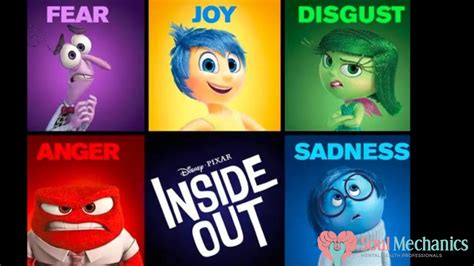
Emotions are a fundamental aspect of the human experience, influencing our thoughts, behaviors, and interactions with others. The concept of emotions has been explored in various fields, including psychology, neuroscience, and philosophy. One of the most iconic and accessible representations of emotions can be found in the Pixar movie "Inside Out," which personifies five primary emotions - Joy, Sadness, Anger, Fear, and Disgust - as characters living inside the mind of an 11-year-old girl named Riley. This article will delve into the world of emotions, exploring their complexities, functions, and the insights provided by the movie "Inside Out."
Understanding Emotions
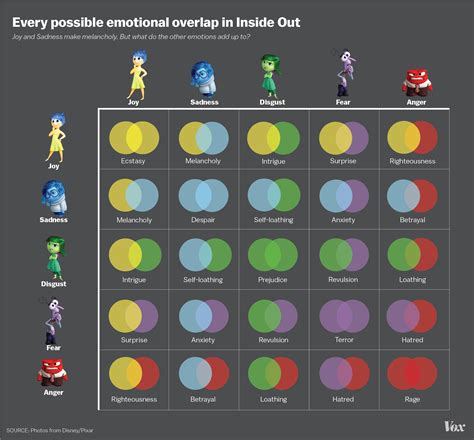
Emotions are complex psychological and physiological states that people experience in response to various stimuli, including internal thoughts, external events, and social interactions. They play a crucial role in shaping our perceptions, attitudes, and behaviors, and are essential for our well-being and relationships. The five primary emotions depicted in “Inside Out” - Joy, Sadness, Anger, Fear, and Disgust - are universally experienced across cultures and are recognized as fundamental emotions by many psychologists and researchers.
The Functions of Emotions
Each emotion has a unique function, contributing to our overall emotional intelligence and ability to navigate life’s challenges. Joy, for instance, promotes feelings of happiness and contentment, motivating us to pursue activities and relationships that bring us pleasure. Sadness, on the other hand, helps us process and cope with loss, facilitating emotional healing and growth. Anger serves as a signal for injustice or threat, prompting us to take action and protect ourselves or others. Fear alerts us to potential dangers, enabling us to respond with caution and avoid harm. Disgust helps us recognize and avoid unhealthy or toxic substances, people, or situations.
| Emotion | Function |
|---|---|
| Joy | Promotes happiness, motivates pleasurable activities |
| Sadness | Facilitates emotional healing, coping with loss |
| Anger | Signals injustice or threat, prompts action |
| Fear | Alerts to potential dangers, enables caution |
| Disgust | Helps avoid unhealthy substances, people, or situations |
Emotional Intelligence and Regulation
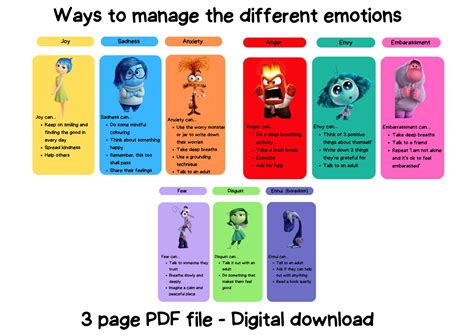
Emotional intelligence refers to our ability to recognize, understand, and manage our emotions, as well as those of others. Effective emotional regulation enables us to respond to situations in a thoughtful, intentional manner, rather than simply reacting impulsively. The movie “Inside Out” illustrates the consequences of unchecked emotions, as Riley’s emotional imbalance leads to turmoil and disconnection from her loved ones.
Strategies for Emotional Regulation
Several strategies can help us regulate our emotions, including mindfulness, self-reflection, and social support. Mindfulness involves being present in the moment, acknowledging our emotions without judgment, and responding to situations with awareness. Self-reflection enables us to identify patterns and triggers of our emotions, developing a deeper understanding of ourselves and our emotional needs. Social support from friends, family, or therapists can provide a safe space to express and process our emotions, receiving guidance and comfort when needed.
Key Points
- Emotions are complex psychological and physiological states that influence our thoughts, behaviors, and interactions.
- The five primary emotions - Joy, Sadness, Anger, Fear, and Disgust - have unique functions, contributing to our overall emotional intelligence and well-being.
- Emotional balance and regulation are essential for developing empathy, compassion, and stronger relationships.
- Strategies for emotional regulation include mindfulness, self-reflection, and social support.
- Acknowledging and accepting all our emotions can foster a more nuanced understanding of ourselves and others.
The Impact of Emotions on Our Lives
Emotions have a profound impact on our lives, influencing our relationships, decision-making, and overall well-being. Positive emotions, such as joy and gratitude, can enhance our resilience, creativity, and physical health. Negative emotions, like sadness and anger, can provide valuable insights and motivate personal growth, but can also lead to distress and impairment if left unchecked.
The Role of Emotions in Decision-Making
Emotions play a significant role in our decision-making processes, often serving as a guide for our choices and actions. While rational thinking is essential for evaluating options and weighing consequences, emotions help us consider the personal significance and potential impact of our decisions. The movie “Inside Out” illustrates how Riley’s emotions influence her decisions, as Joy and Sadness work together to help her navigate a challenging transition in her life.
What are the primary emotions depicted in "Inside Out"?
+The primary emotions depicted in "Inside Out" are Joy, Sadness, Anger, Fear, and Disgust.
Why is emotional balance and regulation important?
+Emotional balance and regulation are essential for developing empathy, compassion, and stronger relationships, as well as for maintaining our overall well-being and resilience.
How can we regulate our emotions effectively?
+Strategies for emotional regulation include mindfulness, self-reflection, and social support, which can help us develop a deeper understanding of ourselves and our emotional needs.
As we navigate the complexities of emotions, it is essential to recognize the interconnectedness of our emotional experiences. By embracing all our emotions, rather than trying to suppress or deny them, we can cultivate a more compassionate and empathetic understanding of ourselves and others. The movie “Inside Out” offers a powerful reminder of the importance of emotional balance and regulation, inspiring us to develop a more nuanced and accepting approach to our emotional lives.