Emotional unavailability is a complex and multifaceted concept that affects individuals in various aspects of their lives, particularly in their relationships. It refers to the inability or unwillingness of a person to fully engage with their emotions, leading to difficulties in forming and maintaining intimate connections with others. This phenomenon can stem from a range of factors, including past traumas, attachment issues, fear of vulnerability, and societal pressures. Understanding the roots and manifestations of emotional unavailability is crucial for developing strategies to overcome it and foster healthier, more fulfilling relationships.
Key Points
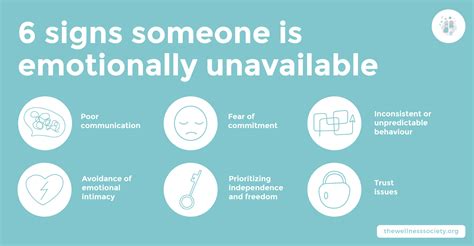
- Emotional unavailability can manifest in different ways, including avoidance of emotional intimacy, fear of commitment, and difficulty in expressing emotions.
- Past experiences, such as childhood trauma or previous relationship issues, can contribute to emotional unavailability.
- Recognizing the signs of emotional unavailability in oneself or others is the first step towards addressing the issue.
- Therapy and self-reflection can be effective tools in overcoming emotional unavailability and developing emotional intelligence.
- Cultivating a supportive network of friends, family, or a therapist can provide a safe space to explore and express emotions.
Understanding Emotional Unavailability
Emotional unavailability can be understood through the lens of attachment theory, which suggests that early relationships with caregivers influence an individual’s expectations and behaviors in future relationships. Those with insecure attachment styles, such as anxious-preoccupied or dismissive-avoidant, may struggle with emotional intimacy and availability. Furthermore, societal norms around masculinity and femininity can also play a role, with traditional masculine ideals often discouraging the expression of emotions and vulnerability.
The Impact of Past Experiences
Past traumas, including emotional, physical, or sexual abuse, can significantly contribute to emotional unavailability. Individuals who have experienced trauma may develop strategies to avoid feeling or expressing emotions as a coping mechanism, leading to difficulties in forming close relationships. Additionally, previous relationship experiences, such as being in a relationship with someone who was emotionally unavailable, can also shape one’s attachment style and emotional availability.
| Attachment Style | Characteristics |
|---|---|
| Secure | Comfortable with intimacy, can regulate emotions effectively |
| Anxious-Preoccupied | Highly sensitive to rejection, overly dependent on others for emotional validation |
| Dismissive-Avoidant | Avoids emotional intimacy, prioritizes independence over interdependence |
| Fearful-Avoidant | Fears rejection and abandonment, yet also fears intimacy and emotional closeness |

Overcoming Emotional Unavailability
Overcoming emotional unavailability requires a multifaceted approach that involves self-reflection, therapy, and the development of emotional intelligence. Engaging in individual or group therapy can provide a safe and supportive environment to explore past experiences, attachment styles, and emotional barriers. Additionally, practicing mindfulness, self-compassion, and emotional regulation techniques can help individuals become more attuned to their emotions and more comfortable with vulnerability.
The Role of Self-Reflection and Mindfulness
Self-reflection and mindfulness are essential components of overcoming emotional unavailability. By cultivating a greater awareness of their thoughts, feelings, and bodily sensations, individuals can better understand their emotional triggers and patterns. Mindfulness practices, such as meditation and deep breathing, can also help reduce stress and anxiety, making it easier to engage with emotions and form deeper connections with others.
Emotional unavailability is a common and treatable issue that can have a significant impact on an individual's relationships and overall well-being. By understanding the root causes of emotional unavailability and engaging in self-reflection, therapy, and mindfulness practices, individuals can work towards developing greater emotional intelligence and forming more fulfilling connections with others.
What are the signs of emotional unavailability in a partner?
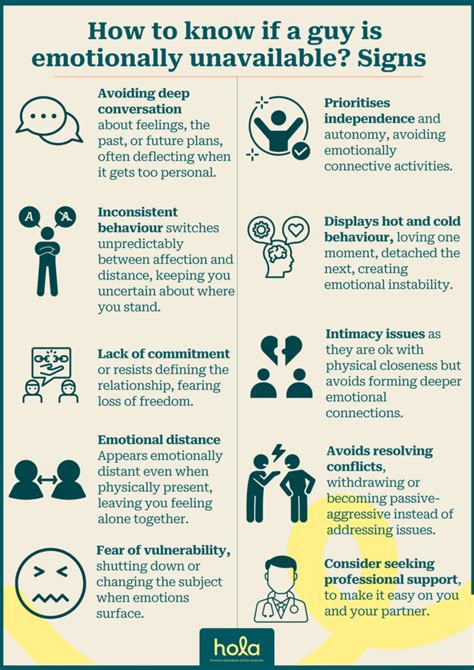
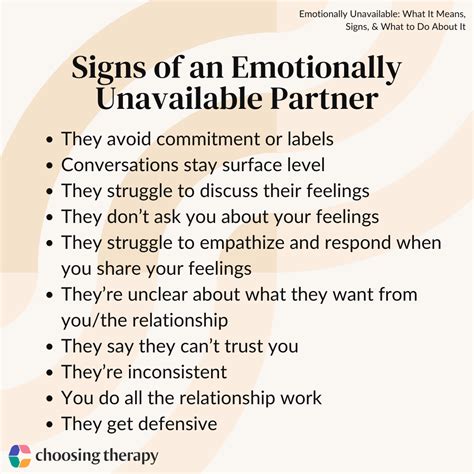
+Signs of emotional unavailability in a partner may include avoidance of emotional intimacy, difficulty in expressing emotions, and a tendency to prioritize independence over interdependence. They may also struggle with commitment, intimacy, and emotional vulnerability.
How can I help someone who is emotionally unavailable?
+Helping someone who is emotionally unavailable requires empathy, patience, and understanding. Encourage them to seek therapy or counseling, and offer a supportive and non-judgmental space for them to explore their emotions. It’s also essential to prioritize your own emotional well-being and set healthy boundaries in the relationship.
Can emotional unavailability be overcome?
+Yes, emotional unavailability can be overcome with the right approach. This may involve therapy, self-reflection, and mindfulness practices to develop emotional intelligence and increase emotional awareness. It’s a process that requires time, effort, and commitment, but it can lead to more fulfilling relationships and a greater sense of emotional well-being.