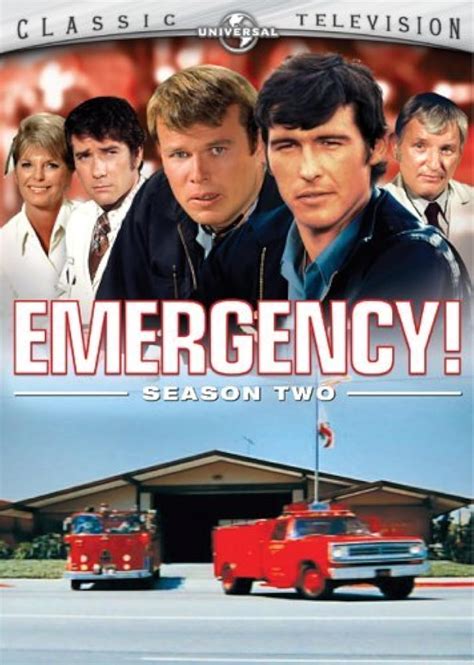
The Emergency TV series, which aired from 1972 to 1979, was a groundbreaking medical drama that revolutionized the way emergency medical services (EMS) were portrayed on television. Created by Robert A. Cinader and Jack Webb, the show followed the lives of the paramedics and emergency medical technicians (EMTs) of Station 51, a fictional fire station in Los Angeles, as they responded to a wide range of medical emergencies.
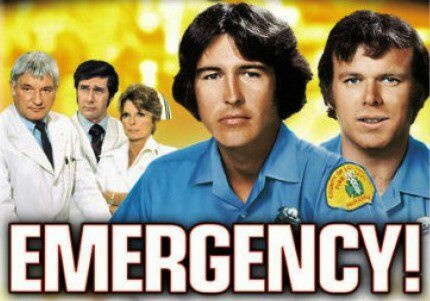
The show's premise was simple yet innovative: to depict the daily lives of emergency responders as they navigated the challenges of providing medical care in the field. The series was known for its realistic portrayal of medical procedures, its use of real-life emergency scenarios, and its emphasis on the importance of teamwork and communication in emergency response situations. The characters, including Roy DeSoto (played by Kevin Tighe) and Johnny Gage (played by Randolph Mantooth), were well-developed and complex, with their own unique personalities and struggles.
The Impact of Emergency on EMS
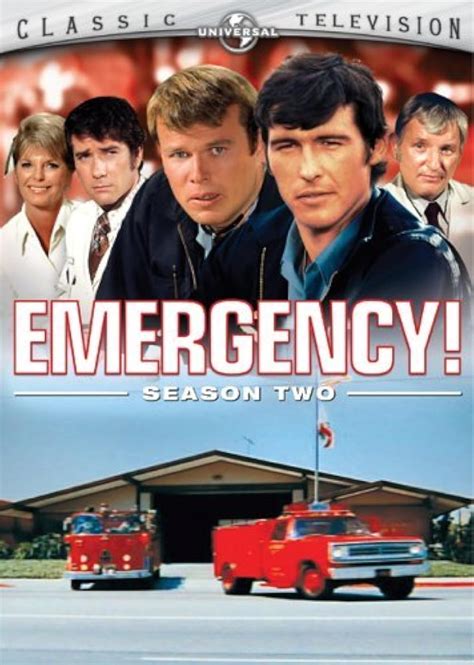
The Emergency TV series had a significant impact on the development of emergency medical services (EMS) in the United States. The show’s portrayal of paramedics and EMTs as highly trained and skilled medical professionals helped to raise the profile of EMS and promote the development of more advanced emergency medical care. The series also helped to popularize the concept of paramedicine, which involves providing medical care in the field, rather than simply transporting patients to a hospital. According to the National Association of Emergency Medical Technicians (NAEMT), the number of paramedic programs in the United States increased by over 50% during the 1970s, a trend that was likely influenced by the popularity of the Emergency TV series.
The Legacy of Emergency
Today, the Emergency TV series is still widely regarded as one of the most influential and innovative medical dramas in television history. The show’s impact can be seen in many modern medical dramas, including ER and Grey’s Anatomy, which have followed in its footsteps in depicting the challenges and rewards of working in emergency medicine. The series has also spawned numerous spin-offs, including a feature film and several documentaries, and continues to be popular among fans of medical drama and emergency response.
| Season | Episodes | Original Air Dates |
|---|---|---|
| 1 | 14 | January 15, 1972 - May 6, 1972 |
| 2 | 21 | September 16, 1972 - April 7, 1973 |
| 3 | 22 | September 15, 1973 - March 23, 1974 |
| 4 | 22 | September 14, 1974 - March 1, 1975 |
| 5 | 24 | September 13, 1975 - March 6, 1976 |
| 6 | 24 | September 25, 1976 - April 16, 1977 |
| 7 | 22 | January 7, 1978 - May 6, 1978 |
Key Points
- The Emergency TV series aired from 1972 to 1979 and followed the lives of paramedics and EMTs at Station 51 in Los Angeles.
- The show was known for its realistic portrayal of medical procedures and its emphasis on teamwork and communication in emergency response situations.
- The series had a significant impact on the development of emergency medical services (EMS) in the United States, promoting the concept of paramedicine and raising the profile of EMS.
- The show's legacy can be seen in many modern medical dramas, including ER and Grey's Anatomy, which have followed in its footsteps in depicting the challenges and rewards of working in emergency medicine.
- The Emergency TV series continues to be popular among fans of medical drama and emergency response, with its influence still felt in the world of EMS today.
The Characters of Emergency
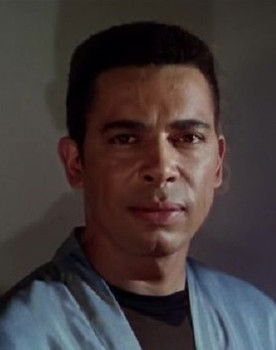
The characters of the Emergency TV series were well-developed and complex, with their own unique personalities and struggles. Roy DeSoto, played by Kevin Tighe, was the show’s main character and a paramedic with a no-nonsense attitude. Johnny Gage, played by Randolph Mantooth, was DeSoto’s partner and a skilled EMT. The characters’ relationships with each other and with the other emergency responders at Station 51 were a key part of the show’s appeal.
The Real-Life Inspiration for Emergency
The Emergency TV series was inspired by the real-life experiences of paramedics and EMTs in Los Angeles. The show’s creators, Robert A. Cinader and Jack Webb, worked closely with the Los Angeles Fire Department and the Los Angeles County Emergency Medical Services Agency to ensure that the show’s portrayal of emergency medical services was accurate and realistic. The show’s use of real-life emergency scenarios and its emphasis on the importance of teamwork and communication in emergency response situations helped to make it a hit with audiences.
In conclusion, the Emergency TV series was a groundbreaking medical drama that revolutionized the way emergency medical services were portrayed on television. The show's impact on the development of EMS in the United States was significant, and its legacy can still be seen in many modern medical dramas today. As a medical professional, it's fascinating to see how the show's portrayal of paramedics and EMTs helped to raise the profile of EMS and promote the development of more advanced emergency medical care.
What was the premise of the Emergency TV series?
+The Emergency TV series followed the lives of paramedics and EMTs at Station 51 in Los Angeles as they responded to a wide range of medical emergencies.
How did the Emergency TV series impact the development of EMS in the United States?
+The show’s portrayal of paramedics and EMTs as highly trained and skilled medical professionals helped to raise the profile of EMS and promote the development of more advanced emergency medical care.
What was the legacy of the Emergency TV series?
+The show’s legacy can be seen in many modern medical dramas, including ER and Grey’s Anatomy, which have followed in its footsteps in depicting the challenges and rewards of working in emergency medicine.