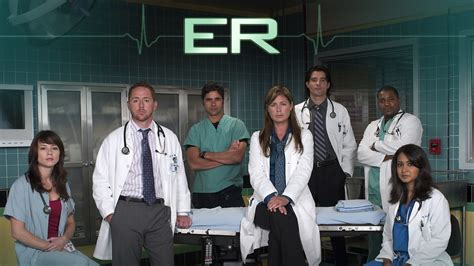
Emergency room shows have been a staple of television drama for decades, captivating audiences with their unique blend of high-stakes medicine, personal drama, and fast-paced action. From the iconic "ER" to the more recent "The Good Doctor," these shows have not only entertained but also educated viewers about the complexities of emergency medicine and the dedication of healthcare professionals. In this article, we will delve into the world of emergency room shows, exploring their evolution, impact, and what makes them so compelling to audiences.
Key Points
- The first emergency room show, "Emergency!", premiered in 1972 and paved the way for future medical dramas.
- "ER" is widely regarded as one of the most influential emergency room shows, with a 15-season run and numerous awards.
- Modern emergency room shows often incorporate diverse storylines, complex characters, and realistic medical scenarios.
- The portrayal of medical professionals and their experiences has a significant impact on public perception and awareness of healthcare issues.
- Emergency room shows can serve as a platform for discussing social and ethical issues, such as patient rights, medical malpractice, and healthcare policy.
The Evolution of Emergency Room Shows
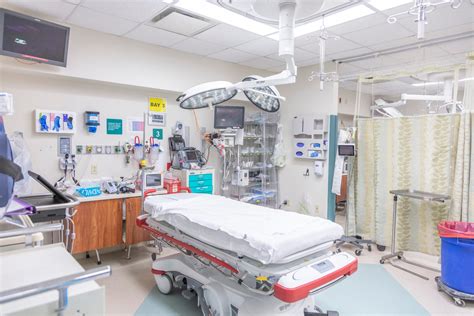
Emergency room shows have undergone significant transformations since their inception. Early shows like “Emergency!” and “Trapper John, M.D.” focused on the heroic efforts of medical professionals, often depicting them as infallible and omniscient. However, as the genre evolved, shows began to incorporate more complex characters, nuanced storylines, and realistic medical scenarios. The advent of “ER” in 1994 marked a significant turning point, as it introduced a more gritty, realistic, and fast-paced portrayal of emergency medicine.
Influence of “ER” on the Genre
“ER” revolutionized the emergency room show genre, with its innovative storytelling, diverse characters, and realistic medical scenarios. The show’s impact can be seen in many subsequent emergency room shows, which have adopted similar narrative structures and character development. The success of “ER” also paved the way for other medical dramas, such as “Grey’s Anatomy” and “House M.D.,” which have further expanded the genre.
| Emergency Room Show | Premiere Year | Notable Features |
|---|---|---|
| "Emergency!" | 1972 | First emergency room show, focused on heroic medical professionals |
| "ER" | 1994 | Realistic medical scenarios, diverse characters, fast-paced narrative |
| "The Good Doctor" | 2017 | Autistic surgeon as main character, complex medical cases, social issues |
Modern Emergency Room Shows: Diversity, Complexity, and Realism
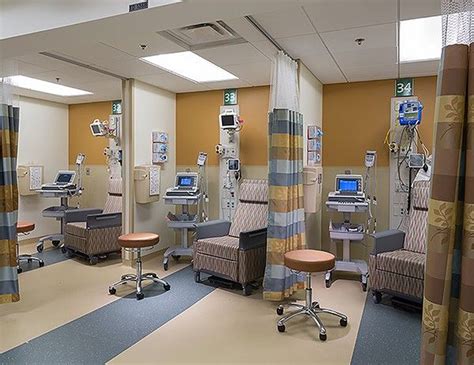
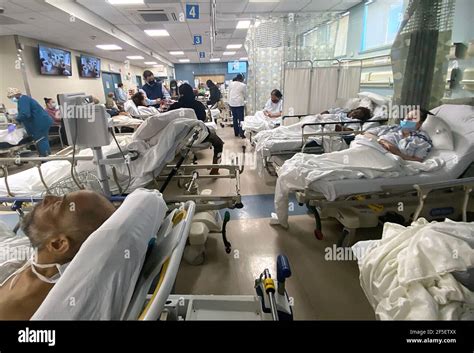
Modern emergency room shows have continued to evolve, incorporating diverse storylines, complex characters, and realistic medical scenarios. Shows like “The Good Doctor” and “New Amsterdam” feature characters with unique perspectives and experiences, such as autism and diverse cultural backgrounds. These shows also tackle complex social and ethical issues, such as patient rights, medical malpractice, and healthcare policy.
Portrayal of Medical Professionals and Their Experiences
The portrayal of medical professionals and their experiences in emergency room shows has a significant impact on public perception and awareness of healthcare issues. By depicting realistic medical scenarios and complex characters, these shows can help demystify the medical profession and promote empathy and understanding. However, it is essential to balance realism with sensitivity, avoiding gratuitous violence, gore, or exploitative portrayals of medical conditions.
What is the most influential emergency room show of all time?
+"ER" is widely regarded as one of the most influential emergency room shows, with a 15-season run and numerous awards. Its innovative storytelling, diverse characters, and realistic medical scenarios set a new standard for the genre.
How do emergency room shows impact public perception of healthcare issues?
+Emergency room shows can significantly impact public perception and awareness of healthcare issues by depicting realistic medical scenarios, complex characters, and social and ethical issues. By promoting empathy and understanding, these shows can help demystify the medical profession and raise awareness about important healthcare topics.
What makes modern emergency room shows more diverse and complex than their predecessors?
+Modern emergency room shows incorporate diverse storylines, complex characters, and realistic medical scenarios, tackling complex social and ethical issues. Shows like "The Good Doctor" and "New Amsterdam" feature characters with unique perspectives and experiences, promoting empathy and understanding.
As emergency room shows continue to evolve, it is essential to balance realism with sensitivity, avoiding gratuitous violence, gore, or exploitative portrayals of medical conditions. By promoting empathy and understanding, these shows can help demystify the medical profession and raise awareness about important healthcare topics. With their unique blend of high-stakes medicine, personal drama, and fast-paced action, emergency room shows will remain a staple of television drama, captivating audiences and inspiring new generations of medical professionals.