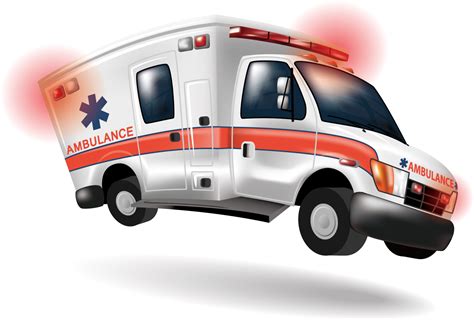
The emergency ambulance is a vital component of any healthcare system, providing critical care and transportation to patients in need of immediate medical attention. With the ability to respond quickly and effectively to emergency situations, ambulances play a crucial role in saving lives and reducing the risk of long-term damage from injuries or illnesses. In this article, we will explore the importance of emergency ambulances, their equipment, and the training of their personnel, as well as the challenges they face in providing emergency care.
History and Evolution of Emergency Ambulances
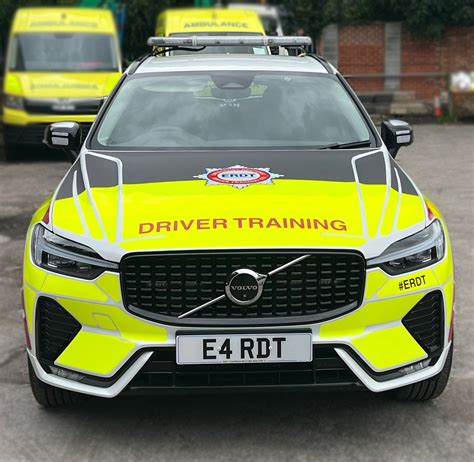
The concept of emergency ambulances dates back to the late 18th century, when horse-drawn carriages were used to transport wounded soldiers from the battlefield to medical facilities. Over time, the design and functionality of ambulances have evolved significantly, with the introduction of motorized vehicles, advanced medical equipment, and trained paramedics. Today, emergency ambulances are equipped with state-of-the-art technology, including defibrillators, ventilators, and communication systems, enabling paramedics to provide high-quality care during transport.
Equipment and Vehicles
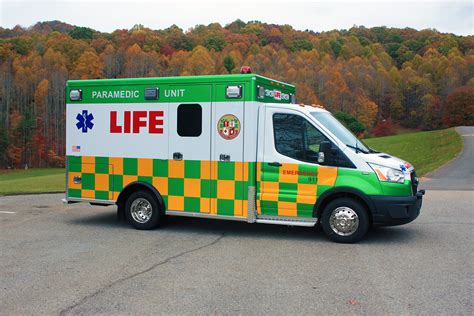
Modern emergency ambulances are designed to provide a safe and efficient environment for patient care. The vehicles are typically equipped with a range of medical equipment, including stretchers, cardiac monitors, and oxygen therapy systems. The ambulances are also equipped with communication systems, such as radios and mobile data terminals, which enable paramedics to stay in contact with dispatchers and receive critical information about the patient’s condition. In addition, many ambulances are now equipped with GPS tracking systems, which enable dispatchers to track the location of the ambulance and provide more efficient routing.
| Equipment | Description |
|---|---|
| Defibrillator | A device used to restore a normal heartbeat in patients with cardiac arrhythmias |
| Ventilator | A device used to support patients with respiratory failure |
| Oxygen therapy system | A system used to provide supplemental oxygen to patients with respiratory conditions |
Training and Personnel
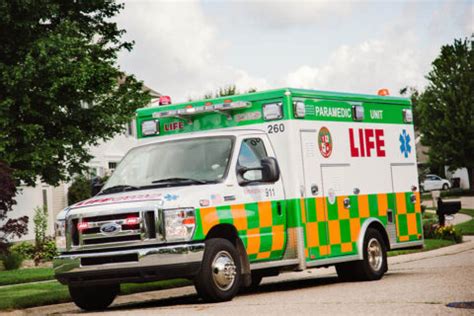
The personnel who staff emergency ambulances, including paramedics and emergency medical technicians (EMTs), undergo rigorous training to prepare them for the challenges of providing emergency care. Paramedics typically require an associate’s degree or higher in paramedicine, as well as certification from the National Registry of Emergency Medical Technicians (NREMT). EMTs, on the other hand, typically require a postsecondary certificate or diploma in emergency medical technology. Both paramedics and EMTs must also complete continuing education courses to maintain their certification and stay up-to-date with the latest medical techniques and technologies.
Challenges and Limitations
Despite the importance of emergency ambulances, there are several challenges and limitations that paramedics and EMTs face in providing emergency care. One of the primary challenges is the high stress environment in which they work, which can lead to burnout and decreased job satisfaction. Additionally, paramedics and EMTs often face limited resources, including inadequate equipment and staffing, which can compromise their ability to provide high-quality care. Furthermore, the increasing demand for emergency medical services, driven by an aging population and rising healthcare costs, is placing a significant strain on emergency ambulance systems, highlighting the need for more efficient and effective care delivery models.
Key Points
- The emergency ambulance is a critical component of any healthcare system, providing life-saving care and transportation to patients in need of immediate medical attention.
- Modern emergency ambulances are equipped with advanced medical equipment and technology, enabling paramedics to provide high-quality care during transport.
- Paramedics and EMTs undergo rigorous training to prepare them for the challenges of providing emergency care, including certification from the National Registry of Emergency Medical Technicians (NREMT).
- Despite the importance of emergency ambulances, paramedics and EMTs face several challenges and limitations, including high stress environments, limited resources, and increasing demand for emergency medical services.
- The use of advanced technology, such as telemedicine and artificial intelligence, is becoming increasingly common in emergency ambulances, enabling paramedics to provide more effective care and improving patient outcomes.
Future Directions and Innovations
As the healthcare landscape continues to evolve, emergency ambulances are likely to play an increasingly important role in providing care to patients in need of immediate medical attention. The use of telemedicine and artificial intelligence is becoming more prevalent in emergency ambulances, enabling paramedics to provide more effective care and improving patient outcomes. Additionally, the development of new technologies, such as autonomous vehicles and unmanned aerial vehicles (UAVs), is likely to revolutionize the emergency ambulance industry, enabling faster and more efficient transportation of patients to medical facilities.
What is the primary function of an emergency ambulance?
+The primary function of an emergency ambulance is to provide critical care and transportation to patients in need of immediate medical attention.
What equipment is typically found in an emergency ambulance?
+Emergency ambulances are typically equipped with a range of medical equipment, including defibrillators, ventilators, and oxygen therapy systems.
What training do paramedics and EMTs receive?
+Paramedics and EMTs undergo rigorous training to prepare them for the challenges of providing emergency care, including certification from the National Registry of Emergency Medical Technicians (NREMT).
In conclusion, emergency ambulances play a vital role in providing critical care and transportation to patients in need of immediate medical attention. With the use of advanced technology and equipment, paramedics and EMTs are able to provide high-quality care during transport, improving patient outcomes and saving lives. As the healthcare landscape continues to evolve, it is likely that emergency ambulances will become even more important, highlighting the need for continued innovation and investment in this critical component of the healthcare system.