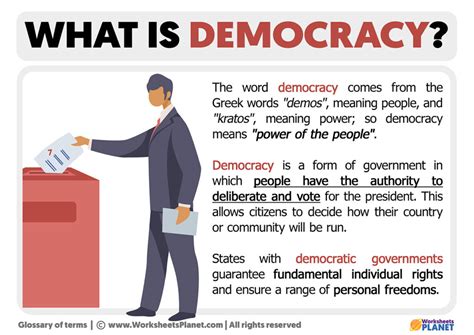
Elite democracy, a concept that has garnered significant attention in the realm of political science, refers to a system of government where power is concentrated in the hands of a small, privileged group of individuals, often referred to as the elite. This group, which may comprise politicians, business leaders, and other influential figures, wields considerable influence over the decision-making process, shaping the direction of the country according to their interests and values. In an elite democracy, the democratic process is characterized by a limited degree of citizen participation, with the elite dominating the political landscape and making key decisions on behalf of the populace.
The notion of elite democracy is rooted in the idea that democracy is not necessarily about direct citizen involvement in the decision-making process, but rather about the representation of the people's interests by a select group of leaders. This concept is often associated with the work of scholars such as Joseph Schumpeter, who argued that democracy is a system in which citizens elect leaders to make decisions on their behalf, rather than participating directly in the decision-making process themselves. In an elite democracy, the elected leaders are drawn from a narrow segment of society, and they are expected to possess the necessary expertise, experience, and social status to make informed decisions that benefit the broader population.
Key Points
- Elite democracy is characterized by the concentration of power in the hands of a small, privileged group of individuals.
- The democratic process is limited, with citizens having restricted opportunities for participation.
- Decision-making is dominated by the elite, who shape the direction of the country according to their interests and values.
- The concept of elite democracy is rooted in the idea of representation, where citizens elect leaders to make decisions on their behalf.
- Elite democracy is often associated with the work of scholars such as Joseph Schumpeter, who emphasized the importance of leadership and expertise in democratic systems.
Characteristics of Elite Democracy
Elite democracies exhibit several key characteristics that distinguish them from other forms of democratic governance. One of the primary features of elite democracy is the limited degree of citizen participation in the decision-making process. In these systems, citizens are often relegated to the role of spectators, with their primary involvement in the democratic process being the act of voting for their representatives. The elected leaders, in turn, are responsible for making key decisions on behalf of the citizens, with limited opportunities for direct citizen input or oversight.
Another characteristic of elite democracy is the dominance of the elite in the political process. The elite, who are often drawn from the upper echelons of society, possess a disproportionate amount of influence and power, shaping the direction of the country according to their interests and values. This can result in a situation where the interests of the elite are prioritized over those of the broader population, leading to a disconnect between the rulers and the ruled.
Types of Elite Democracy
There are several types of elite democracy, each with its own unique characteristics and features. One type is the liberal elite democracy, which is characterized by a strong emphasis on individual rights and freedoms, as well as a commitment to free market principles. In this type of system, the elite are often drawn from the business community and are expected to possess a high degree of economic expertise.
Another type of elite democracy is the technocratic elite democracy, which is characterized by a strong emphasis on technical expertise and bureaucratic efficiency. In this type of system, the elite are often drawn from the ranks of technocrats and bureaucrats, who are expected to possess a high degree of specialized knowledge and expertise.
| Type of Elite Democracy | Characteristics |
|---|---|
| Liberal Elite Democracy | Strong emphasis on individual rights and freedoms, commitment to free market principles |
| Technocratic Elite Democracy | Strong emphasis on technical expertise and bureaucratic efficiency |
| Authoritarian Elite Democracy | Strong emphasis on state control and authoritarian leadership |

Criticisms and Challenges

Elite democracy has been subject to various criticisms and challenges, with many arguing that it is incompatible with the principles of democratic governance. One of the primary criticisms is that elite democracy is inherently undemocratic, as it concentrates power in the hands of a small group of individuals, rather than distributing it more widely among the citizenry.
Another criticism is that elite democracy can lead to a disconnect between the rulers and the ruled, as the elite may prioritize their own interests over those of the broader population. This can result in a situation where the government is seen as being out of touch with the needs and concerns of the citizens, leading to widespread disillusionment and disengagement.
Implications for Democratic Governance
The implications of elite democracy for democratic governance are significant, as it raises important questions about the nature of representation, participation, and accountability in modern societies. One of the primary implications is that elite democracy can undermine the legitimacy of democratic institutions, as citizens may become disillusioned with the concentration of power in the hands of a small group of individuals.
Another implication is that elite democracy can limit the opportunities for citizen participation, as citizens may be relegated to the role of spectators, rather than being actively engaged in the decision-making process. This can result in a situation where citizens feel disconnected from the democratic process, leading to a decline in civic engagement and participation.
What is the primary characteristic of elite democracy?
+The primary characteristic of elite democracy is the concentration of power in the hands of a small, privileged group of individuals.
What are the implications of elite democracy for democratic governance?
+The implications of elite democracy for democratic governance are significant, as it raises important questions about the nature of representation, participation, and accountability in modern societies.
What are the criticisms of elite democracy?
+Elite democracy has been subject to various criticisms, including that it is inherently undemocratic, can lead to a disconnect between the rulers and the ruled, and can undermine the legitimacy of democratic institutions.
In conclusion, elite democracy is a complex and multifaceted concept that highlights the tension between the ideals of democratic participation and the realities of power concentration in modern societies. As scholars, it is essential to critically examine the characteristics and implications of elite democracy, recognizing both its potential benefits and drawbacks. By doing so, we can gain a deeper understanding of the nature of democratic governance and the challenges that it faces in the modern era.