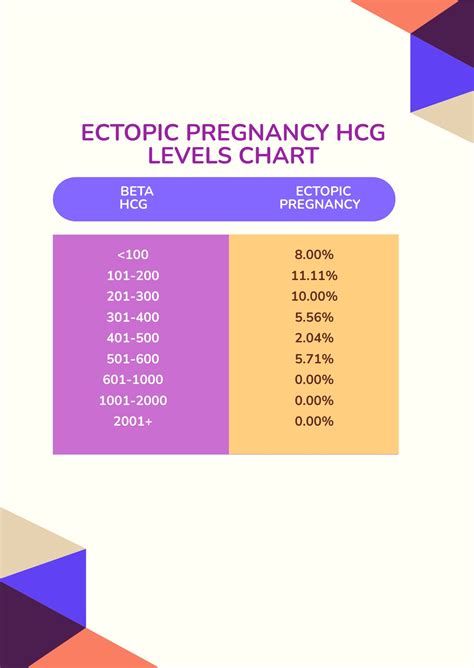
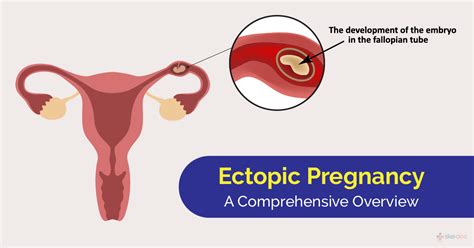
Ectopic pregnancy is a serious and potentially life-threatening condition that occurs when a fertilized egg implants outside the uterus, often in the fallopian tube. One of the key indicators of an ectopic pregnancy is the level of human chorionic gonadotropin (hCG) in the blood. hCG is a hormone produced during pregnancy, and its levels can provide valuable information about the health and location of the pregnancy.
In a normal pregnancy, hCG levels typically double every 48 hours during the first trimester. However, in an ectopic pregnancy, hCG levels often rise at a slower rate, and may not follow the typical doubling pattern. This is because the embryo is not implanting in the uterus, where it would normally receive the necessary nutrients and support for growth. Instead, the embryo is implanting in a location that is not equipped to support its development, such as the fallopian tube.
Key Points
- Ectopic pregnancy is a serious condition that requires prompt medical attention
- hCG levels can provide valuable information about the health and location of the pregnancy
- In ectopic pregnancy, hCG levels often rise at a slower rate than in normal pregnancy
- A single hCG measurement is not sufficient to diagnose ectopic pregnancy
- A combination of ultrasound, hCG levels, and clinical symptoms is used to diagnose ectopic pregnancy
Understanding hCG Numbers in Ectopic Pregnancy
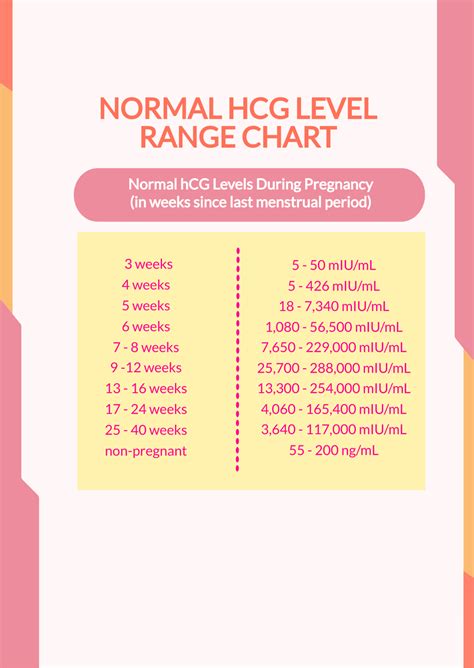
When a woman is suspected of having an ectopic pregnancy, her hCG levels are often measured to help diagnose the condition. However, it’s essential to note that a single hCG measurement is not sufficient to diagnose ectopic pregnancy. Instead, hCG levels are typically measured over a period of time, usually 48 hours, to assess the rate of increase.
Studies have shown that in ectopic pregnancy, the median hCG level at presentation is around 1,500-2,000 mIU/mL. However, hCG levels can vary widely, ranging from less than 100 mIU/mL to over 10,000 mIU/mL. A study published in the American Journal of Obstetrics and Gynecology found that in women with ectopic pregnancy, the hCG level was less than 1,000 mIU/mL in 44% of cases, between 1,000-2,000 mIU/mL in 26% of cases, and greater than 2,000 mIU/mL in 30% of cases.
hCG Levels and Ectopic Pregnancy Diagnosis
The diagnosis of ectopic pregnancy is typically made using a combination of ultrasound, hCG levels, and clinical symptoms. Transvaginal ultrasound is the preferred method for evaluating suspected ectopic pregnancy, as it can provide detailed images of the uterus and fallopian tubes. However, in some cases, the embryo may be too small to be visualized, or the ultrasound may be inconclusive.
In these cases, hCG levels can provide valuable information to help diagnose ectopic pregnancy. For example, if the hCG level is very low (less than 100 mIU/mL), it may indicate that the pregnancy is not viable or that the embryo has implanted in an abnormal location. On the other hand, if the hCG level is very high (greater than 10,000 mIU/mL), it may indicate that the pregnancy is more advanced and that the embryo has implanted in a location that is not equipped to support its growth.
| hCG Level | Interpretation |
|---|---|
| < 100 mIU/mL | Possible non-viable pregnancy or abnormal implantation |
| 100-1,000 mIU/mL | Possible ectopic pregnancy, requires further evaluation |
| 1,000-2,000 mIU/mL | Suspicious for ectopic pregnancy, requires prompt evaluation |
| > 2,000 mIU/mL | Highly suggestive of ectopic pregnancy, requires immediate medical attention |
Management and Treatment of Ectopic Pregnancy
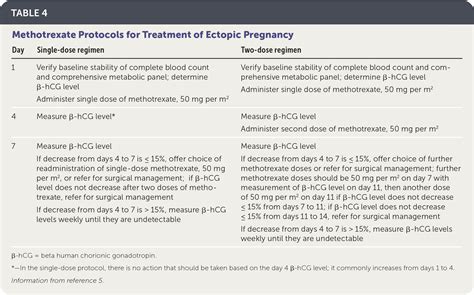
The management and treatment of ectopic pregnancy depend on the severity of the condition and the overall health of the woman. In some cases, ectopic pregnancy may be treated with medication, such as methotrexate, which can help to stop the growth of the embryo and reduce the risk of complications. However, in more severe cases, surgical intervention may be necessary to remove the embryo and repair any damage to the fallopian tube.
It's essential to seek prompt medical attention if you suspect that you may have an ectopic pregnancy. Delaying treatment can increase the risk of complications, such as rupture of the fallopian tube, which can be life-threatening. A study published in the Journal of Clinical Epidemiology found that the risk of rupture was significantly higher in women who delayed seeking medical attention, with a median delay of 4.5 days.
Risk Factors for Ectopic Pregnancy
Certain risk factors can increase the likelihood of developing an ectopic pregnancy. These include a history of pelvic surgery, such as tubal ligation or cesarean section, as well as a history of infertility or assisted reproductive technology (ART) treatment. Additionally, women who have had a previous ectopic pregnancy are at increased risk of developing another ectopic pregnancy in the future.
Other risk factors for ectopic pregnancy include smoking, advanced maternal age, and a history of pelvic inflammatory disease (PID). A study published in the American Journal of Epidemiology found that women who smoked were at increased risk of developing an ectopic pregnancy, with a relative risk of 1.6 compared to non-smokers.
What are the symptoms of ectopic pregnancy?
+The symptoms of ectopic pregnancy can vary, but may include abdominal pain, vaginal bleeding, and shoulder pain. In some cases, women may experience no symptoms at all.
How is ectopic pregnancy diagnosed?
+Ectopic pregnancy is typically diagnosed using a combination of ultrasound, hCG levels, and clinical symptoms. Transvaginal ultrasound is the preferred method for evaluating suspected ectopic pregnancy.
What is the treatment for ectopic pregnancy?
+The treatment for ectopic pregnancy depends on the severity of the condition and the overall health of the woman. In some cases, ectopic pregnancy may be treated with medication, such as methotrexate, while in more severe cases, surgical intervention may be necessary.
In conclusion, ectopic pregnancy is a serious and potentially life-threatening condition that requires prompt medical attention. hCG levels can provide valuable information about the health and location of the pregnancy, but a single measurement is not sufficient to diagnose the condition. A combination of ultrasound, hCG levels, and clinical symptoms is necessary to make an accurate diagnosis. It’s essential to seek prompt medical attention if you suspect that you may have an ectopic pregnancy, as delaying treatment can increase the risk of complications.