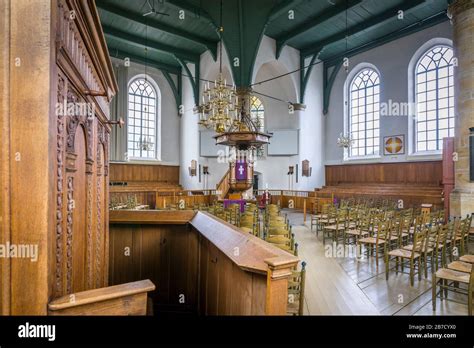
The Dutch Reformed Church has a rich and complex history that spans over four centuries, with its roots in the Protestant Reformation in Europe. The church's early development was deeply influenced by the theological and ecclesiastical traditions of John Calvin, a French theologian who played a pivotal role in shaping the Reformed faith. Calvin's ideas about church governance, worship, and doctrine were instrumental in shaping the Dutch Reformed Church's identity and practice.
In the 16th century, the Dutch Reformed Church emerged as a distinct entity, separate from the Roman Catholic Church. The church's early history was marked by persecution and struggle, as Dutch Protestants faced opposition from the Spanish authorities who controlled the Netherlands at the time. Despite these challenges, the church continued to grow and develop, with the establishment of the first synod in 1571. This synod, which met in the city of Emden, laid the foundation for the church's governance structure and theological orientation.
Key Points
- The Dutch Reformed Church has its roots in the Protestant Reformation in Europe.
- John Calvin's theological and ecclesiastical traditions played a significant role in shaping the church's identity and practice.
- The church faced persecution and struggle in its early years, but continued to grow and develop despite these challenges.
- The first synod, which met in Emden in 1571, established the church's governance structure and theological orientation.
- The Dutch Reformed Church has a long history of theological and social engagement, with a strong emphasis on education, mission, and social justice.
Early Development and Theological Orientation
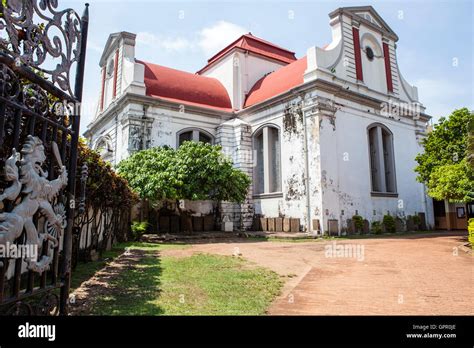
The Dutch Reformed Church’s early development was characterized by a strong emphasis on theological education and the training of ministers. The church established several theological seminaries, including the University of Leiden, which became a major center of Reformed learning and scholarship. The church’s theological orientation was shaped by the writings of Calvin and other Reformed theologians, with a strong emphasis on the authority of Scripture, the sovereignty of God, and the importance of church discipline.
The church's governance structure was also influenced by Calvin's ideas, with a system of presbyterian governance that emphasized the importance of local church autonomy and the role of elders in church leadership. This system, which was adopted by the Dutch Reformed Church in the 16th century, has continued to shape the church's governance and practice to the present day.
The Synod of Dort and the Five Points of Calvinism
In 1618-1619, the Dutch Reformed Church held a major synod in the city of Dort, which became a pivotal event in the church’s history. The Synod of Dort was convened to address a theological controversy within the church, known as the Arminian controversy, which centered on issues of predestination, free will, and the nature of salvation. The synod resulted in the adoption of the Five Points of Calvinism, also known as the Canons of Dort, which affirmed the church’s commitment to the doctrines of total depravity, unconditional election, limited atonement, irresistible grace, and perseverance of the saints.
The Five Points of Calvinism have continued to shape the Dutch Reformed Church's theology and practice, with a strong emphasis on the sovereignty of God and the importance of Reformed doctrine. However, the church has also been influenced by other theological traditions and movements, including pietism, revivalism, and liberalism, which have contributed to its diversity and complexity.
| Theological Tradition | Key Tenets |
|---|---|
| Calvinism | Total depravity, unconditional election, limited atonement, irresistible grace, perseverance of the saints |
| Pietism | Emphasis on personal piety, spiritual experience, and social justice |
| Revivalism | Emphasis on evangelism, conversion, and spiritual renewal |
| Liberalism | Emphasis on reason, individual freedom, and social progress |
Modern Developments and Challenges
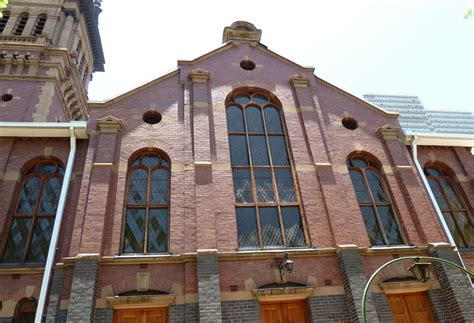
In the modern era, the Dutch Reformed Church has faced numerous challenges and changes, including theological liberalism, ecumenism, and social transformation. The church has responded to these challenges in various ways, including the adoption of new liturgies, the ordination of women, and the recognition of same-sex relationships. However, these developments have also created tensions and controversies within the church, reflecting the ongoing debates and discussions about the church’s identity and mission.
Despite these challenges, the Dutch Reformed Church remains a significant and influential Christian denomination, with a strong commitment to theological education, mission, and social justice. The church continues to play an important role in Dutch society and culture, with a rich heritage of art, literature, and music. As the church looks to the future, it must navigate the complexities of modernity and postmodernity, while remaining faithful to its Reformed heritage and traditions.
What are the key tenets of Calvinism?
+The key tenets of Calvinism include total depravity, unconditional election, limited atonement, irresistible grace, and perseverance of the saints. These doctrines emphasize the sovereignty of God and the importance of Reformed theology.
What is the significance of the Synod of Dort?
+The Synod of Dort was a major event in the history of the Dutch Reformed Church, which resulted in the adoption of the Five Points of Calvinism. The synod affirmed the church’s commitment to Reformed doctrine and provided a foundation for the church’s theology and practice.
How has the Dutch Reformed Church responded to modern challenges and changes?
+The Dutch Reformed Church has responded to modern challenges and changes in various ways, including the adoption of new liturgies, the ordination of women, and the recognition of same-sex relationships. However, these developments have also created tensions and controversies within the church, reflecting the ongoing debates and discussions about the church’s identity and mission.