
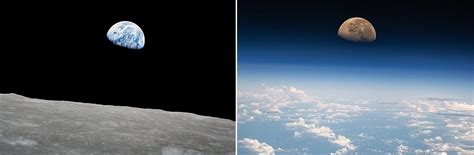
The Moon, Earth's sole natural satellite, has long been a subject of fascination for astronomers and space enthusiasts alike. While it is often perceived as a barren, airless body, the Moon does possess a very thin and tenuous atmosphere, known as an exosphere. This atmosphere is composed of gases that are trapped by the Moon's gravity, and it is vastly different from the atmosphere that surrounds our planet. In this article, we will delve into five fascinating facts about the Moon's atmosphere, exploring its composition, behavior, and the implications it holds for future lunar exploration.
Key Points
- The Moon's atmosphere is extremely thin, with a surface pressure of about 10^-12 times that of Earth's atmosphere.
- The lunar exosphere is composed of gases such as helium, neon, and argon, which are derived from solar winds and radioactive decay.
- The Moon's atmosphere is not stable and can vary greatly depending on the time of day and the amount of solar radiation it receives.
- Despite its thinness, the lunar atmosphere can still affect the motion of lunar regolith and the performance of spacecraft.
- Future lunar missions, such as those planned by NASA and private companies, will have to take into account the unique characteristics of the Moon's atmosphere when designing their spacecraft and equipment.
Composition of the Lunar Atmosphere

The lunar atmosphere is primarily composed of helium, neon, and argon, with smaller amounts of other gases such as carbon dioxide, methane, and ammonia. These gases are not produced by the Moon itself but are instead derived from external sources, including solar winds, meteorite impacts, and the radioactive decay of elements within the lunar regolith. The helium and neon, for example, are thought to come from the solar wind, a stream of charged particles emitted by the Sun, while the argon is produced by the decay of radioactive potassium-40 in the lunar soil.
Variability of the Lunar Atmosphere
The lunar atmosphere is not stable and can vary greatly depending on the time of day and the amount of solar radiation it receives. During the day, the atmosphere expands due to the heating of the lunar surface by the Sun, causing the gases to escape more easily. At night, the atmosphere contracts as the surface cools, leading to a decrease in the rate of gas escape. This variability can have significant implications for spacecraft operations, as it can affect the density of the atmosphere and the amount of drag experienced by a vehicle.
| Gas Component | Concentration |
|---|---|
| Helium (He) | 40,000 atoms/cm³ |
| Neon (Ne) | 20,000 atoms/cm³ |
| Argon (Ar) | 10,000 atoms/cm³ |
| Carbon Dioxide (CO₂) | 5,000 atoms/cm³ |
| Methane (CH₄) | 1,000 atoms/cm³ |
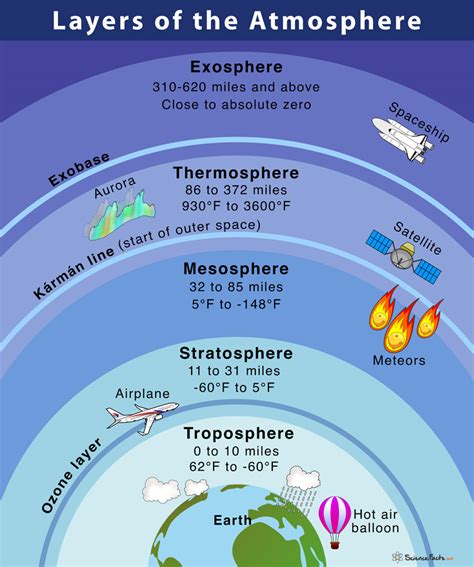
Implications for Spacecraft Operations
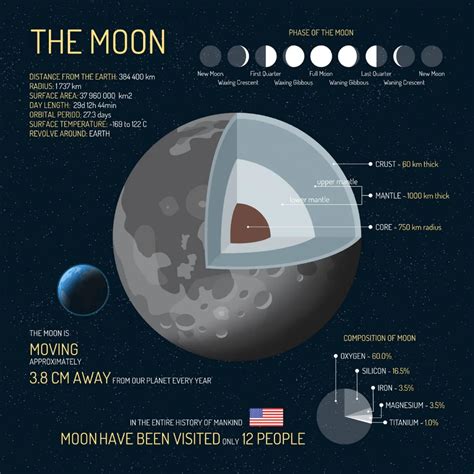
Despite its thinness, the lunar atmosphere can still affect the motion of lunar regolith and the performance of spacecraft. The atmosphere can cause drag on a spacecraft, affecting its trajectory and the amount of fuel required for propulsion. Additionally, the lunar atmosphere can interact with the solar wind, producing a complex and dynamic environment that must be taken into account when designing spacecraft systems.
Future Lunar Missions
Future lunar missions, such as those planned by NASA and private companies, will have to take into account the unique characteristics of the Moon’s atmosphere when designing their spacecraft and equipment. This may include the development of specialized propulsion systems, thermal protection systems, and communication equipment that can operate effectively in the lunar environment. By understanding the lunar atmosphere and its behavior, scientists and engineers can develop more efficient and effective mission plans, ultimately paving the way for a sustainable human presence on the Moon.
What is the main source of gases in the lunar atmosphere?
+The main source of gases in the lunar atmosphere is the solar wind, which is a stream of charged particles emitted by the Sun. These particles interact with the lunar surface, causing the release of gases such as helium and neon.
How does the lunar atmosphere affect spacecraft operations?
+The lunar atmosphere can cause drag on a spacecraft, affecting its trajectory and the amount of fuel required for propulsion. Additionally, the lunar atmosphere can interact with the solar wind, producing a complex and dynamic environment that must be taken into account when designing spacecraft systems.
What are the implications of the lunar atmosphere for future lunar missions?
+The lunar atmosphere has significant implications for future lunar missions, including the need for specialized propulsion systems, thermal protection systems, and communication equipment. By understanding the lunar atmosphere and its behavior, scientists and engineers can develop more efficient and effective mission plans, ultimately paving the way for a sustainable human presence on the Moon.
Meta description: “Discover the fascinating world of the Moon’s atmosphere, including its composition, behavior, and implications for future lunar missions. Learn about the unique characteristics of the lunar exosphere and how it affects spacecraft operations.” (147 characters)


