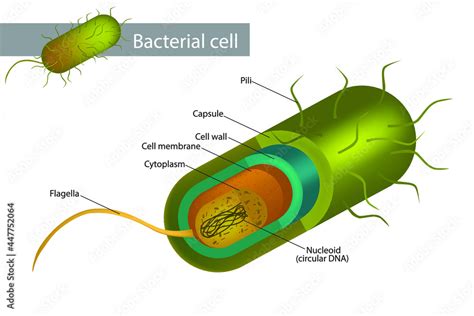
Bacterial DNA is a fundamental aspect of microbiology, providing insights into the genetic makeup, behavior, and evolution of bacteria. The study of bacterial DNA has led to numerous significant discoveries, transforming our understanding of these microorganisms and their role in various ecosystems, including human health and disease. Here are five key facts about bacterial DNA that highlight its importance and complexity.
Structure and Organization of Bacterial DNA
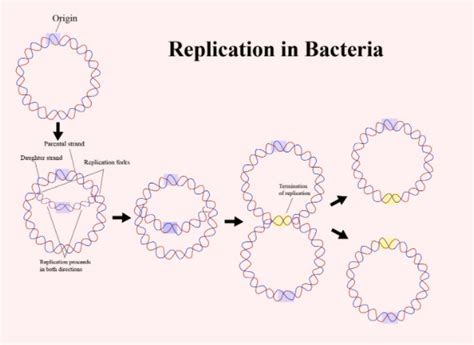
Bacterial DNA, also known as bacterial chromosomes, is typically found in a single, circular molecule, although some bacteria have linear chromosomes or multiple circular chromosomes. This circular structure is distinct from the linear chromosomes found in many eukaryotic organisms. The genetic material in bacteria is densely packed, with genes often overlapping or being closely spaced, reflecting the efficiency and simplicity of bacterial genomes. For instance, E. coli, a well-studied bacterium, has a single circular chromosome that contains approximately 4.6 million base pairs and encodes around 4,000 proteins.
Replication and Mutation
The replication of bacterial DNA is a highly efficient and rapid process, allowing bacteria to divide and multiply quickly. This rapid replication is accompanied by a relatively high error rate during DNA synthesis, leading to mutations. While many of these mutations are neutral or deleterious, some can confer advantageous traits, such as antibiotic resistance, which is a significant concern in public health. The rate of mutation in bacteria can vary, with some species exhibiting higher mutation rates than others, influencing their adaptability and evolution. For example, studies have shown that the mutation rate in E. coli can range from 10^-10 to 10^-9 mutations per base pair per generation.
| Species | Genome Size (bp) | Number of Genes |
|---|---|---|
| E. coli | 4,600,000 | 4,000 |
| Staphylococcus aureus | 2,800,000 | 2,600 |
| Pseudomonas aeruginosa | 6,300,000 | 5,500 |
Gene Expression and Regulation
The expression of genes in bacteria is tightly regulated, allowing these organisms to adapt to changing environmental conditions. This regulation is achieved through various mechanisms, including transcriptional control by RNA polymerase and its associated sigma factors, as well as post-transcriptional regulation by small RNAs and RNA-binding proteins. The ability of bacteria to regulate gene expression rapidly in response to environmental cues is key to their survival and success in diverse habitats. For instance, the lac operon in E. coli is a well-studied example of gene regulation, where the presence or absence of lactose induces or represses the expression of genes involved in lactose metabolism.
Horizontal Gene Transfer
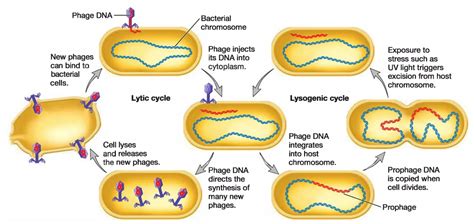
Bacteria can exchange genetic material with each other through a process known as horizontal gene transfer (HGT), which is distinct from the vertical inheritance of genetic information from parent to offspring. HGT can occur through several mechanisms, including transformation (uptake of free DNA), transduction (phage-mediated transfer), and conjugation (direct cell-to-cell transfer). This process has played a significant role in the evolution of bacterial genomes, facilitating the spread of beneficial traits such as antibiotic resistance genes among bacterial populations. The impact of HGT on bacterial evolution is profound, allowing for the rapid dissemination of adaptive traits and contributing to the genetic diversity of bacterial communities.
Key Points
- The structure of bacterial DNA is typically circular and compact, with a high gene density.
- Bacterial DNA replication is rapid and can lead to mutations, some of which confer advantageous traits.
- Gene expression in bacteria is tightly regulated, allowing for rapid adaptation to environmental changes.
- Horizontal gene transfer is a crucial mechanism for the exchange of genetic material among bacteria, contributing to their evolution and diversity.
- Understanding bacterial DNA and its functions is essential for addressing public health challenges, such as antibiotic resistance, and for harnessing the potential of bacteria in biotechnology and environmental applications.
The study of bacterial DNA has far-reaching implications, from understanding the mechanisms of disease and developing new therapeutic strategies to exploring the potential of bacteria in biotechnological applications. As our knowledge of bacterial genetics and genomics continues to grow, so does our appreciation for the complexity, diversity, and importance of these microorganisms in all aspects of life on Earth.
What is the typical structure of bacterial DNA?
+Bacterial DNA is typically found in a single, circular molecule, although some bacteria have linear chromosomes or multiple circular chromosomes.
How does horizontal gene transfer contribute to bacterial evolution?
+Horizontal gene transfer facilitates the spread of beneficial traits, such as antibiotic resistance genes, among bacterial populations, contributing to their genetic diversity and evolution.
Why is understanding bacterial DNA important for public health?
+Understanding bacterial DNA is crucial for addressing challenges such as antibiotic resistance and for developing effective therapeutic strategies against bacterial pathogens.
Meta Description: Discover the fascinating world of bacterial DNA, exploring its structure, replication, gene regulation, and the impact of horizontal gene transfer on bacterial evolution, with implications for public health and biotechnology.