
Coyotes are known for their distinctive howls, which are an essential form of communication in their social structure. These howls can be heard in various contexts and serve different purposes, from locating other coyotes to warning potential competitors. The complexity and variety of coyote howls reflect the sophisticated social dynamics of these canines. In this article, we will delve into the different ways coyotes howl, exploring the reasons behind these vocalizations and what they signify in the world of coyotes.
Key Points
- Coyotes howl to communicate with other coyotes over long distances.
- Howling can serve as a form of territorial marking, warning other coyotes to stay away.
- Coyotes may howl in response to sirens or other loud noises, a behavior known as "response howling."
- Howling can be a way for coyotes to locate each other, particularly during the mating season or when pups are involved.
- The structure and pitch of howls can vary, conveying different information such as the size and number of coyotes in a group.
The Purpose of Coyote Howls

Coyotes are highly social animals that live in family groups, known as packs. These packs are typically made up of a monogamous pair and their offspring. The howl is a critical component of coyote communication, allowing them to convey information over long distances. The purpose of howling can vary, depending on the context and the needs of the coyotes involved. For instance, howling can be used to locate other members of the pack, especially after a separation, or to advertise the presence of a pack in a particular territory, serving as a warning to other coyotes.
Territorial Howling
One of the primary reasons coyotes howl is to define their territory. By vocalizing their presence, coyotes can deter other coyotes from entering their territory. This territorial marking is crucial for maintaining the stability of the pack and ensuring access to resources such as food and shelter. Territorial howls are often loud and can be heard over long distances, making them an effective way for coyotes to communicate their territorial boundaries.
| Context | Purpose of Howl |
|---|---|
| Territorial Defense | To warn other coyotes of the pack's presence and defend territory |
| Mating Season | To locate potential mates and establish pair bonds |
| Pack Location | To help members of the pack find each other, especially after separation |
| Response to Noise | To respond to sirens, other loud noises, or even the howls of other coyotes |
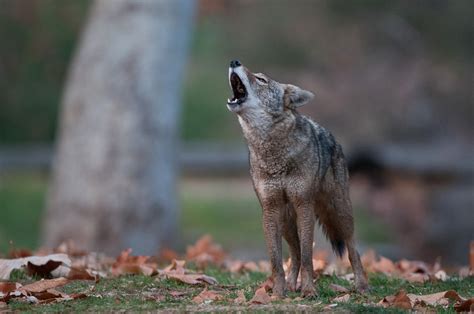
Variations in Coyote Howls
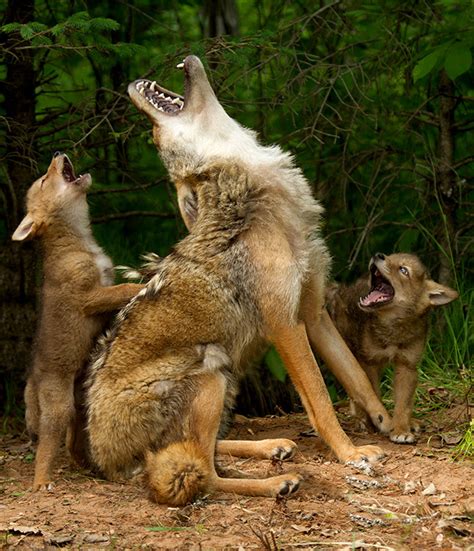
The structure and pitch of coyote howls can vary significantly, and these variations can convey different types of information. For example, a higher-pitched howl might indicate the presence of younger coyotes, while a deeper, more resonant howl could signify an older, larger coyote. The number of coyotes howling together can also provide information about the size of the pack, with larger packs potentially producing a chorus of howls.
Response Howling
Coyotes have also been observed to engage in “response howling,” where they howl in response to external stimuli such as sirens, music, or even the howls of other coyotes. This behavior is thought to be a form of social bonding within the pack, as well as a way to announce their presence in response to perceived threats or competitors. Response howling can be particularly noticeable in urban areas, where coyotes are more likely to be exposed to a variety of loud noises.
Understanding the different ways coyotes howl and the reasons behind these vocalizations can provide valuable insights into their social behavior and communication patterns. By recognizing the complexity and variety of coyote howls, we can better appreciate the sophisticated social dynamics of these animals and their ability to adapt to various environments.
What is the primary purpose of coyote howls?
+The primary purpose of coyote howls is to communicate with other coyotes over long distances, serving functions such as territorial marking, locating other pack members, and warning potential competitors.
Can coyotes howl in response to external noises?
+Yes, coyotes engage in "response howling" when they hear external stimuli like sirens, music, or other coyotes howling. This behavior is a form of social bonding and a way to announce their presence.
Do the variations in coyote howls convey different information?
+Yes, the pitch, volume, and structure of coyote howls can vary, providing information about the age, size, and number of coyotes, as well as the context of the howl.
As we continue to learn more about coyote behavior and their complex communication patterns, we are reminded of the importance of respecting and preserving wildlife habitats. By understanding and appreciating the natural behaviors of species like the coyote, we can work towards a more harmonious coexistence between humans and wildlife.