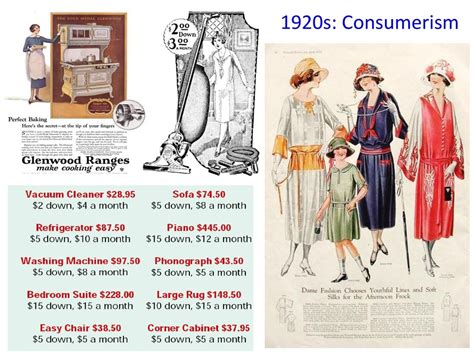
The 1920s, often referred to as the "Roaring Twenties," was a transformative period in American history, marked by a significant shift in cultural, social, and economic landscapes. One of the most notable phenomena of this era was the explosion of consumerism, which not only reflected the changing values and aspirations of the American people but also had a profound impact on the country's economic and social structures. This consumerism boom was characterized by an unprecedented increase in consumer spending, fueled by rising incomes, innovative marketing strategies, and the widespread adoption of new technologies.
At the heart of this consumerism boom was the rapid growth of the American middle class, which saw significant improvements in living standards and disposable incomes. As more Americans moved from rural areas to cities and secured better-paying jobs, they found themselves with more money to spend on consumer goods and services. According to data from the U.S. Bureau of Labor Statistics, the average annual income for an American family increased from $1,300 in 1920 to $2,300 in 1929, representing a growth of over 76% during the decade. This rise in incomes, coupled with the introduction of new consumer credit options such as installment buying and credit plans, enabled Americans to purchase a wide range of goods and services that were previously beyond their reach.
Key Points
- The 1920s consumerism boom was driven by rising incomes, innovative marketing, and the adoption of new technologies.
- The growth of the American middle class led to significant increases in consumer spending, with average annual incomes rising by over 76% during the decade.
- New consumer credit options, such as installment buying and credit plans, expanded purchasing power and facilitated the growth of consumerism.
- Mass production and advertising played crucial roles in shaping consumer preferences and driving demand for goods and services.
- The consumerism boom of the 1920s had profound social and cultural implications, contributing to changes in American values, lifestyles, and social norms.
The Role of Mass Production and Advertising
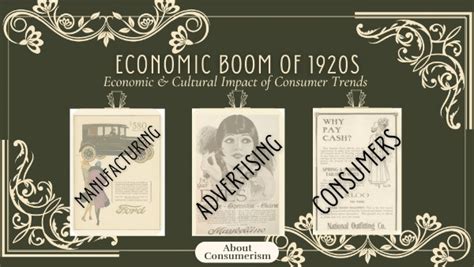
Mass production, made possible by advances in manufacturing technologies and the introduction of the assembly line, played a crucial role in the consumerism boom of the 1920s. Companies like Ford Motor Company and General Motors were able to produce goods on a large scale, reducing costs and making them more affordable for the average consumer. For instance, the price of a Ford Model T decreased from 850 in 1908 to 260 in 1926, making it accessible to a much wider segment of the population. This not only increased the availability of consumer goods but also helped to drive down prices, further expanding purchasing power.
Advertising also emerged as a key driver of consumerism during the 1920s, with companies investing heavily in marketing and promotional campaigns to persuade consumers to buy their products. The development of new advertising techniques, such as radio commercials and billboards, allowed companies to reach a wider audience and create brand awareness on a national scale. According to a study by the American Marketing Association, advertising expenditures in the United States increased from $1.5 billion in 1920 to $3.4 billion in 1929, representing a growth of over 126% during the decade. This growth in advertising not only helped to stimulate demand for consumer goods but also contributed to the development of new consumer cultures and lifestyles.
Consumer Culture and Lifestyles
The consumerism boom of the 1920s had a profound impact on American culture and lifestyles, contributing to significant changes in values, attitudes, and social norms. As consumers, Americans began to define themselves and their social status through the goods and services they purchased, leading to the emergence of new consumer cultures and lifestyles. The rise of suburbanization, for example, was closely tied to the growth of consumerism, as Americans sought to own their own homes and accumulate material possessions. According to data from the U.S. Census Bureau, the number of suburban households increased from 7.8 million in 1920 to 13.6 million in 1930, representing a growth of over 74% during the decade.
The consumerism boom also contributed to changes in American values, with a growing emphasis on material comfort, convenience, and leisure. The widespread adoption of new technologies, such as radios, automobiles, and electric appliances, transformed daily life and created new opportunities for entertainment, travel, and social interaction. For instance, the number of radio sets in American households increased from 100,000 in 1920 to over 10 million in 1929, representing a growth of over 9,900% during the decade. This growth in consumer spending and the adoption of new technologies not only reflected the changing values and aspirations of the American people but also had a profound impact on the country's economic and social structures.
| Year | Average Annual Income | Consumer Spending | Advertising Expenditures |
|---|---|---|---|
| 1920 | $1,300 | $50 billion | $1.5 billion |
| 1925 | $1,800 | $70 billion | $2.5 billion |
| 1929 | $2,300 | $100 billion | $3.4 billion |
Conclusion and Implications

In conclusion, the consumerism boom of the 1920s was a transformative period in American history, marked by significant changes in consumer spending, cultural values, and social norms. The growth of the American middle class, the introduction of new consumer credit options, and the widespread adoption of new technologies all contributed to this phenomenon, which had far-reaching implications for the country’s economic and social structures. As we look to the future, it is essential to recognize the ongoing impact of consumerism on our society, from the environment and public health to social inequality and economic stability.
What were the primary drivers of the consumerism boom in the 1920s?
+The primary drivers of the consumerism boom in the 1920s were the growth of the American middle class, the introduction of new consumer credit options, and the widespread adoption of new technologies. These factors combined to increase consumer spending, drive demand for goods and services, and transform American culture and lifestyles.
How did mass production and advertising contribute to the consumerism boom?
+Mass production, made possible by advances in manufacturing technologies and the introduction of the assembly line, allowed companies to produce goods on a large scale, reducing costs and making them more affordable for the average consumer. Advertising, meanwhile, emerged as a key driver of consumerism, with companies investing heavily in marketing and promotional campaigns to persuade consumers to buy their products.
What were the social and cultural implications of the consumerism boom in the 1920s?
+The consumerism boom of the 1920s had profound social and cultural implications, contributing to changes in American values, lifestyles, and social norms. The growth of suburbanization, the emergence of new consumer cultures and lifestyles, and the widespread adoption of new technologies all reflected the changing values and aspirations of the American people, and had a lasting impact on the country's economic and social structures.
Meta description: “Discover the factors that drove the 1920s consumerism boom, from rising incomes and mass production to advertising and credit options, and explore its lasting impact on American culture and society.” (149 characters)